You Won’t Believe What I Found Shopping in N’Djamena
Shopping in N’Djamena isn’t what you’d expect—it’s vibrant, raw, and full of surprises. As a traveler, I thought I’d seen it all, but this Chadian capital rewired my idea of retail adventure. From bustling markets to hidden local stalls, every purchase tells a story. If you’re looking for authenticity over luxury, this city delivers. Let me take you through the real N’Djamena, one handmade textile and hand-carved trinket at a time. More than just a place to buy goods, N’Djamena offers an immersive experience where commerce, culture, and community intersect in ways that surprise and inspire. For women travelers especially, the markets here are not only safe but deeply enriching—places where stories unfold with every smile, every folded fabric, and every shared cup of tea.
First Impressions: Stepping Into N’Djamena’s Market Culture
Arriving at Marché Central, the largest and most famous market in N’Djamena, is like stepping into a living mosaic of color, sound, and movement. The air hums with energy—vendors call out prices in French and Chadian Arabic, the scent of dried spices and grilled meat drifts through the lanes, and bolts of brightly colored fabric flutter in the warm breeze. Women in flowing wrappers move confidently between stalls, inspecting produce and negotiating with practiced ease. Children dart through the crowds, balancing baskets on their heads, while men carry crates of bottled water or bundles of firewood. This is not a performance for tourists; it’s daily life in full, unfiltered motion.
What struck me most was how central women are to the rhythm of commerce here. In nearly every section of the market, women run the majority of stalls—selling everything from tomatoes and okra to hand-stitched clothing and clay pots. Their presence is not only economic but social; they are the connectors, the negotiators, the keepers of tradition. Many have been selling in the same spot for decades, building relationships with regular customers and newcomers alike. This informal network operates without formal contracts or digital payment systems, yet it functions with remarkable efficiency and trust.
Cash is king in N’Djamena’s markets, and credit cards are rarely accepted, even in larger shops near hotels. Prices are often flexible, and bargaining is not just expected—it’s part of the cultural ritual. A simple exchange might begin with a greeting in French—Bonjour, ça va?—followed by a question about the price, then a back-and-forth that feels more like conversation than transaction. The process is rarely aggressive; instead, it’s often accompanied by laughter and shared stories. For visitors, this means coming prepared with small bills in CFA francs and an open mind. It also means embracing slowness—rushing through the market means missing the very heart of the experience.
Marché Central: The Beating Heart of Urban Commerce
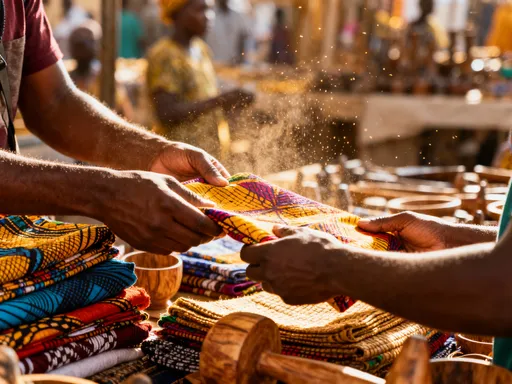
Spread across several blocks in the center of the city, Marché Central is more than a marketplace—it’s a microcosm of Chadian life. The market is loosely organized into zones, each dedicated to a particular type of goods. The textile section is one of the most dazzling, with rows of stalls draped in bazin fabric, the richly dyed cotton that is a symbol of pride and celebration across West and Central Africa. Vendors unfold the material with care, showing off intricate embroidery and deep, lustrous colors that shimmer in the sunlight. Nearby, the spice aisles burst with pyramids of turmeric, cumin, dried chilies, and the earthy scent of dried ginger and garlic.
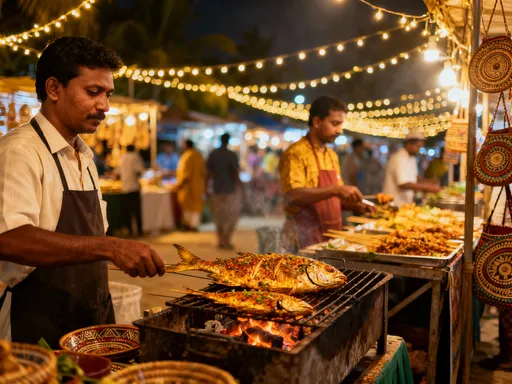
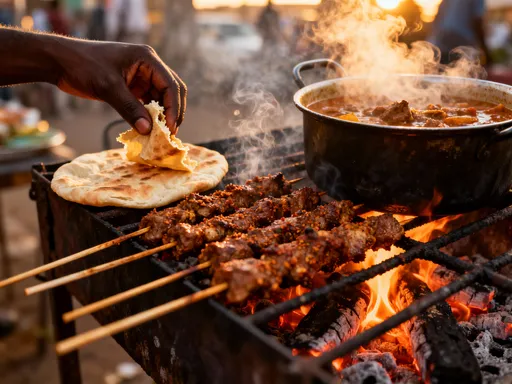
Another section is devoted to household goods—stacks of colorful plastic bowls, hand-thrown pottery, and metal cookware imported from nearby countries. Electronics vendors sell everything from solar-powered lamps to secondhand smartphones, often displayed on simple wooden tables under faded umbrellas. And tucked into corners, you’ll find small food stalls serving steaming bowls of mullah, a stew made with okra and meat, or grilled fish wrapped in banana leaves. The aroma of onions frying in palm oil is nearly irresistible.
What sets Marché Central apart from more tourist-oriented markets in cities like Dakar or Accra is its lack of commercialization. There are no souvenir shops selling mass-produced trinkets, no guides pushing visitors toward specific vendors for a commission. Instead, the market remains deeply rooted in the needs of local residents. This authenticity makes the experience more rewarding for travelers who want to see how people really live and shop. While some vendors may notice a foreigner and offer a slight smile or attempt at English, there is no pressure to buy. Most are simply doing their work, and a respectful visitor is welcomed as a guest.
Language can be a small barrier, but even basic phrases go a long way. A simple combien? (how much?) or c’est combien pour ça? opens the door to connection. Learning to say merci beaucoup or as-salamu alaykum shows respect and often earns a warm response. Many younger vendors understand a bit of English, but showing effort in French or Arabic builds trust. Over time, I found that the more I engaged with vendors beyond just price negotiations—the more I asked about their families, their craft, or their favorite local dishes—the richer the experience became.
Hidden Gems: Off-the-Beaten-Path Stalls and Neighborhood Markets
While Marché Central offers an unforgettable introduction, some of the most meaningful shopping experiences in N’Djamena happen in smaller, lesser-known markets. Just a short walk from the city center, Marché Arabe buzzes with a different energy—more intimate, more specialized. Here, artisans gather in clusters, often working on their crafts right at their stalls. I watched a man carve intricate patterns into a leather sandal using only a small knife and steady hands. Nearby, a woman strung beads into necklaces using traditional motifs passed down through generations.
Another neighborhood worth exploring is Quartier des Marocains, known for its North African influences and skilled metalworkers. Stalls here display hand-hammered copper bowls, engraved brass lamps, and delicate silver jewelry. The craftsmanship is exceptional, and because these markets attract fewer tourists, prices are often more reasonable. More importantly, the conversations feel more genuine. Without the pressure of performing for foreign buyers, artisans are more likely to share the stories behind their work—why a certain symbol is used, how long a piece takes to make, or what materials are locally sourced.
One afternoon, I followed a local woman to a small alley market near her home, where a group of older women sold handwoven baskets made from grasses gathered outside the city. Each basket had a slightly different pattern, reflecting the weaver’s personal style. One woman explained that the tighter the weave, the more durable the basket—and the more skill it required. She demonstrated how the grasses were dyed using natural pigments from roots and bark. These details, shared quietly over cups of sweet mint tea, transformed a simple purchase into a moment of cultural exchange.
These neighborhood markets also offer a safer, more relaxed environment for women traveling alone. The pace is slower, the crowds thinner, and the vendors often treat visitors like neighbors. Many appreciate the interest in their work and are happy to explain techniques or demonstrate a process. For travelers seeking meaningful souvenirs—not just objects, but pieces with purpose and story—these hidden corners of N’Djamena are invaluable.
What to Buy: Authentic Souvenirs That Matter
One of the most iconic items to bring home from N’Djamena is bazin fabric, a high-quality cotton that is dyed and starched to create a smooth, glossy finish. Traditionally worn during weddings, religious festivals, and other important events, bazin is more than clothing—it’s a statement of identity and pride. When shopping for bazin, look for deep, even coloring and tight stitching along the embroidered edges. The best pieces are often hand-embroidered, with patterns that can take days to complete. While synthetic versions exist, the real ones feel heavier and more substantial in hand.
Negotiating for bazin requires patience. A vendor might quote a high price at first, but a respectful counteroffer—starting at about half the initial amount—is usually met with a smile and further discussion. The goal is not to win, but to reach a fair price that honors the artisan’s labor. Many women in the market wear bazin themselves, so observing what locals pay can offer useful guidance. Once purchased, the fabric can be used for quilts, wall hangings, or even tailored into scarves or pillow covers—beautiful reminders of a vibrant culture.
Jewelry is another meaningful souvenir, especially pieces made with traditional techniques. Look for necklaces strung with seeds, shells, or recycled glass beads, or earrings hand-forged from silver or copper. Some designs incorporate symbols from local ethnic groups, such as the Toubou or Sara, and carry cultural significance. When possible, ask the artisan about the meaning behind a piece—it shows respect and deepens your connection to what you’re buying. Avoid items that appear to mimic sacred symbols or religious artifacts; these should be treated with particular care.
Practical gifts are just as valuable. Locally made shea butter, unrefined and rich in nutrients, is a luxurious skincare product that supports women’s cooperatives in rural areas. Hand-carved wooden bowls, often made from acacia or ebony, are both beautiful and functional—perfect for serving fruit or holding keys by the door. Embroidered caps, known as koofa or taqiyah, are lightweight and make thoughtful gifts for family members. Each of these items supports small-scale producers and carries a piece of Chadian craftsmanship into your daily life.
Shopping Smart: Practical Tips for Visitors
To make the most of your market visits, timing matters. The best hours to shop are early in the morning, between 7:00 and 10:00 a.m., when the heat is still manageable and vendors are just setting up their stalls. By midday, temperatures can soar above 40°C (104°F), making long walks through open-air markets exhausting. Mornings also offer the freshest produce and the most relaxed atmosphere, as regular customers do their daily shopping.
Carrying cash in small denominations is essential. While larger bills are accepted, finding change can be difficult, especially in smaller stalls. Keep your money in a secure pouch under your clothing, and only take out what you need. It’s also wise to carry a lightweight, reusable bag—many vendors do not provide plastic bags, and protecting your purchases from dust is important. A scarf or cloth can be used to cover textiles or delicate items as you continue shopping.
Safety in N’Djamena’s markets is generally good, especially during daylight hours. Women travelers should dress modestly, covering shoulders and knees, which shows respect and helps you blend in. Avoid wearing flashy jewelry or carrying expensive electronics openly. Stick to well-populated areas, and if you’re unsure about a location, ask your hotel staff or a trusted local for advice. Most Chadians are deeply hospitable and will go out of their way to help a visitor feel welcome and safe.
Bargaining is a skill worth learning. Begin with a friendly greeting, then ask the price. If it seems high, offer a lower amount with a smile—never with a frown or sense of entitlement. The process should feel like a conversation, not a confrontation. If the vendor refuses your offer, you can either walk away (often prompting a callback with a better price) or agree on a middle ground. Remember, the goal is mutual satisfaction. Ending the exchange with a thank you and a smile leaves a positive impression and supports goodwill.
Beyond the Purchase: How Shopping Supports Local Lives
Every purchase in N’Djamena’s markets has the potential to make a real difference. When you buy directly from an artisan or small vendor, your money goes straight into their hands—no middlemen, no corporate profits. For many, this income supports entire families, paying for children’s school fees, medical care, or home repairs. A woman selling handwoven baskets might use the day’s earnings to buy rice and oil for her household. A young man repairing shoes at a roadside stall might be saving to open his own shop one day.
I met a vendor named Amina who has sold handmade jewelry at Marché Arabe for over twenty years. She told me that while business isn’t always steady, even a few good days each week allow her to send her two daughters to school. “When someone buys from me,” she said, “they’re not just getting a necklace. They’re helping a mother raise her children.” Her words stayed with me, reshaping how I view every item I carry home. These aren’t souvenirs in the disposable sense—they’re symbols of resilience, creativity, and dignity.
Supporting local economies also means being mindful of what you buy. Avoid counterfeit goods, such as fake branded clothing or imitation religious items, which undermine local artisans and can be culturally inappropriate. Similarly, be cautious about purchasing items made from protected animals or plants, even if they appear to be sold legally. When in doubt, ask questions. Most vendors are happy to explain where their materials come from and how they’re made.
By choosing to shop with intention, travelers become part of a larger story—one of empowerment, sustainability, and mutual respect. This kind of mindful consumption doesn’t require spending more money; it simply requires paying attention. It means slowing down, listening, and recognizing the human hands behind every product. In doing so, we honor not just the craft, but the person.
Why N’Djamena Deserves a Spot on Every Traveler’s Radar
N’Djamena is often overlooked by international travelers, dismissed as too remote or too unfamiliar. But those who take the time to explore its markets discover a city of warmth, resilience, and quiet beauty. The people are open-hearted, eager to share their culture with curious visitors who approach with respect. Shopping here is not just about acquiring objects—it’s about building connections, learning stories, and participating, however briefly, in the rhythm of daily life.
In a world where travel can sometimes feel transactional—rushed tours, crowded landmarks, cookie-cutter souvenirs—N’Djamena offers something different. It invites slowness. It rewards curiosity. It reminds us that the most meaningful experiences often happen off the itinerary, in the unscripted moments between strangers who become, for a few minutes, friends. A shared laugh over a misunderstanding in French, a cup of tea offered by a vendor, a child’s shy smile—these are the memories that last far longer than any photograph.
For women travelers, in particular, N’Djamena’s markets offer a unique sense of empowerment and connection. Seeing women lead in business, sustain their families, and preserve cultural traditions is deeply inspiring. Carrying home a piece of their work—a fabric, a bowl, a bracelet—is not just a memento, but a quiet tribute to their strength.
So if you’re planning your next journey, consider stepping beyond the familiar. Let go of expectations. Embrace the unexpected rhythms of a city like N’Djamena, where every market stall tells a story, and every conversation holds a lesson. Travel with an open heart, shop with intention, and discover the joy of finding something you never knew you were looking for. The world is richer than we imagine—and sometimes, the best way to see it is one handmade treasure at a time.