You Won’t Believe What I Found in Trincomalee’s Wild Nature
If you're chasing raw, untouched nature, Trincomalee in Sri Lanka is a dream come true. I went expecting beaches, but left in awe of its wild coastlines, hidden coves, and sunrise views over the Indian Ocean that felt almost sacred. This isn’t just another tropical stop — it’s a place where nature still feels untamed. Let me show you the real Trincomalee, one breathtaking moment at a time.
Why Trincomalee Stands Out in Sri Lanka’s Natural Landscape
Trincomalee occupies a rare place on Sri Lanka’s eastern coast, where geography and climate have conspired to preserve a landscape that feels both ancient and alive. Nestled along a sweeping natural harbor — one of the largest in the world — the region is framed by rugged coastal cliffs, exposed rock formations carved by centuries of wind and salt spray, and marine zones rich with biodiversity. Unlike the more developed southern coasts around Galle or Bentota, where tourist infrastructure dominates the shoreline, Trincomalee retains a sense of solitude and authenticity. Here, the rhythm of life follows the tides, and nature remains the primary architect of the scenery.
The area’s unique topography contributes significantly to its wild character. The coastline is shaped by basaltic rock outcrops that rise dramatically from the sea, creating natural vantage points and sheltered coves inaccessible to mass tourism. These geological features also support diverse ecosystems, from intertidal pools teeming with crustaceans to offshore coral reefs that sustain vibrant marine life. The region lies within a transitional climate zone, influenced heavily by the northeast monsoon, which delivers rain from December to March. While this limits accessibility during certain months, it also ensures that the landscape remains lush and less crowded, preserving its ecological integrity.
What truly sets Trincomalee apart is its relative inaccessibility compared to other tourist hubs. While Galle draws visitors with its colonial charm and Bentota offers luxury resorts and water sports, Trincomalee appeals to those seeking something quieter, deeper, and more elemental. The reduced footfall means less environmental pressure, allowing coral reefs to recover more easily and wildlife to thrive with fewer disturbances. For travelers who value authenticity over convenience, this makes Trincomalee not just a destination, but a revelation — a reminder that untouched beauty still exists when tourism is balanced with respect for place.
The monsoon cycle plays a crucial role in shaping the travel experience here. From May to September, the skies clear, the seas calm, and the sun bathes the coastline in golden light. This dry season is ideal for exploring both land and sea, offering optimal conditions for snorkeling, hiking, and coastal walks. Understanding these seasonal patterns allows visitors to plan thoughtfully, ensuring they witness Trincomalee at its most vibrant while minimizing impact during sensitive ecological periods.
Arrival & First Impressions: Getting to Know the East Coast Vibe
Reaching Trincomalee is part of the adventure, a journey that slowly shifts your perspective from urban pace to coastal serenity. Most travelers arrive via one of three routes: a scenic eight-hour train ride from Colombo along Sri Lanka’s eastern rail line, a short domestic flight to China Bay Airport just north of the city, or a road trip via the A6 highway, which winds through small villages, paddy fields, and stretches of dry-zone forest. Each option offers a gradual immersion into the rhythms of the east — slower, sun-drenched, and deeply connected to the sea.
As you approach Trincomalee Bay, the first sight is unforgettable: a vast, crescent-shaped harbor opening into the Indian Ocean, its waters shifting from deep blue to turquoise near the shore. At dusk, the sky often ignites in hues of amber and rose, reflecting off the surface like liquid fire. Fishing boats — brightly painted wooden crafts known locally as “oruwas” — return with the day’s catch, their sails silhouetted against the fading light. The air carries the scent of salt, drying nets, and woodsmoke from nearby cooking fires, grounding the experience in sensory authenticity.
The cultural atmosphere of Trincomalee is shaped by its Tamil heritage, evident in the temples, cuisine, and daily rituals. The pace of life is unhurried, marked by early mornings and quiet evenings. Unlike the bustling beach towns of the south, where international tourists dominate, Trincomalee attracts a more diverse mix: local families on holiday, regional pilgrims visiting sacred sites, and eco-conscious travelers drawn by the promise of sustainable experiences. This blend creates a welcoming yet uncommercialized environment, where interactions feel genuine rather than transactional.
What many visitors notice immediately is the absence of overcrowding. There are no long lines for boat rides, no packed sunbathing zones, and few high-rise hotels blocking the sea view. Instead, small guesthouses and family-run eateries line the roads, often managed by people who have lived in the area for generations. This low-key development allows the natural environment to remain the focal point, reinforcing the sense that you’ve stepped into a place where tourism serves the community — not the other way around.
Unforgettable Coastal Escapes: Beaches Beyond the Postcard
While Trincomalee’s coastline may not be as widely photographed as those in the Maldives or Thailand, its beaches offer a depth of experience that surpasses mere aesthetics. Uppuveli and Nilaveli, the two most accessible stretches of sand, are often the first stops for visitors. Both boast powdery white sand, gently sloping shores, and calm, clear waters ideal for swimming and floating in the warm embrace of the ocean. But beyond their beauty lies a quiet energy — a sense of space and solitude that allows you to truly unwind.
Nilaveli, slightly farther north, feels more secluded, with fewer beachside vendors and a stronger emphasis on low-impact tourism. Several eco-lodges operate here with solar power, rainwater harvesting, and waste reduction systems, reflecting a growing commitment to sustainability. Early mornings are especially magical, when the beach is nearly empty and the only sounds are waves and distant bird calls. It’s not unusual to see local children playing barefoot in the surf or fishermen mending nets under palm shade — moments that feel unscripted and real.
For those willing to venture further, Pigeon Island offers one of the most remarkable snorkeling experiences in the Indian Ocean. Located just off the coast near Nilaveli, this small protected area is home to thriving coral gardens, including hard and soft corals in vivid shades of purple, orange, and green. The island’s shallow reefs attract a variety of marine life, including parrotfish, angelfish, and the occasional blacktip reef shark — a species known for its shy, non-aggressive behavior. Snorkelers often describe the experience as floating through an underwater garden, where every turn reveals new colors and movements.
Equally rewarding are the lesser-known coves tucked along the coastline near Swami Rock. These unnamed inlets, accessible only by foot or with the help of a local tuk-tuk driver, offer complete privacy and dramatic scenery. Some are framed by overhanging rocks, creating natural grottos where the water glows emerald in the sunlight. Others open directly onto the open sea, where waves crash with rhythmic power. Visiting these spots with a guide not only ensures safety but also supports local livelihoods, reinforcing the idea that responsible tourism begins with mindful choices.
Swami Rock: Where Nature Meets Majesty
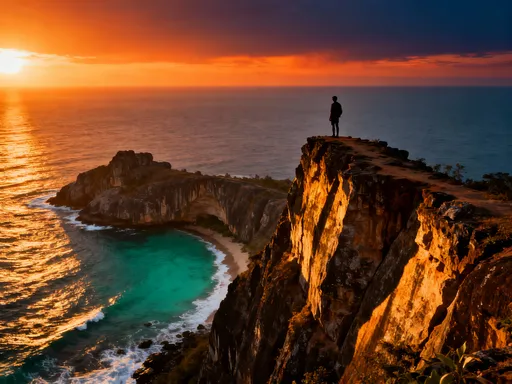
Rising 400 feet above the Indian Ocean, Swami Rock — or Swami Malai — is one of Trincomalee’s most iconic natural landmarks. This massive promontory, composed of ancient basalt, juts dramatically from the coastline, offering panoramic views that stretch for miles in every direction. The site is also home to the Koneswaram Temple, a sacred Hindu shrine with origins dating back over two millennia, though the focus here is on the raw power of the landscape itself. Hiking the trail at sunrise is an experience that stays with you — a blend of physical effort, spiritual awe, and visual splendor.
The path to the summit is well-worn but requires attention. Steps carved into the rock lead upward through patches of dry scrub and wind-sculpted vegetation. As you climb, the sound of the waves grows louder, a constant reminder of the ocean’s presence below. Near the top, the wind intensifies, carrying salt spray and the cries of circling seabirds. Reaching the summit just before dawn, you’re rewarded with a sky painted in soft pinks and golds, the sun emerging from the horizon like a slow revelation. The view encompasses Trincomalee Bay, the distant coastline, and the endless expanse of the Indian Ocean — a scene of such scale and beauty that it feels almost meditative.
Geologically, Swami Rock is a testament to the forces of erosion and time. The basalt formations, formed from ancient volcanic activity, have been shaped over millennia by wind, rain, and wave action. Cracks and crevices in the rock reveal layers of history, while tide pools at the base host small ecosystems of crabs, snails, and algae. The rock’s stability makes it safe for visitors, but caution is still essential, especially near the edges where drop-offs are steep and unguarded.
To make the most of the experience, proper preparation is key. Sturdy footwear with good grip is recommended, as some sections of the trail can be slippery, especially after rain. Early morning hikes avoid the midday heat, which can be intense even in the dry season. Visitors should carry water, wear sun protection, and respect all signage, particularly around temple areas and restricted zones. By approaching Swami Rock with care and reverence, you honor both its natural and cultural significance.
Marine Wonders: Diving and Snorkeling with Purpose
Underwater, Trincomalee reveals another dimension of its natural wealth. Pigeon Island National Park, established to protect its coral ecosystems, is a prime destination for snorkeling and diving. The park’s reefs have shown signs of recovery in recent years thanks to conservation efforts, including restrictions on anchoring and visitor numbers. This makes it not only a beautiful place to explore but also a model for sustainable marine tourism.
Snorkeling here is accessible to most skill levels. From boats anchored offshore, visitors swim to designated entry points where the coral begins just a few feet below the surface. The reefs are home to over 150 species of fish, including clownfish nestled in anemones, schools of blue-striped snapper, and the occasional green sea turtle gliding gracefully through the water. Blacktip reef sharks, often seen patrolling the outer edges of the reef, are a highlight for many — their presence a sign of a healthy ecosystem rather than a threat.
Choosing the right tour operator is essential to ensuring that your visit supports conservation. Reputable centers employ trained guides who emphasize responsible practices: no touching coral, no feeding fish, and maintaining a safe distance from wildlife. Many also participate in reef monitoring programs and educate guests about the importance of coral resilience in the face of climate change. By selecting operators with eco-certifications or community ties, travelers contribute directly to long-term protection efforts.
Diving deeper — literally and figuratively — allows for even richer encounters. Seasonal migrations bring larger species, including manta rays and whale sharks, though sightings are rare and never guaranteed. What is certain is the sense of wonder that comes from floating above a living reef, watching the intricate dance of life unfold beneath you. Every fin kick reveals something new: a camouflaged octopus, a darting moray eel, or a coral polyp extending its tiny tentacles. These moments remind us that the ocean is not just a backdrop for recreation, but a complex, fragile world deserving of respect.
Nature Beyond the Shore: Forest Trails and Birdwatching Spots
While the coast dominates Trincomalee’s allure, the surrounding hinterland offers quieter but equally rewarding experiences. The Kanniya Hot Springs, located a short drive from the city center, are a cluster of natural mineral springs surrounded by dry-zone vegetation. Though swimming is not permitted due to cultural and environmental protections, the site is scenic and peaceful, with steam rising gently from the water and locals offering blessings at a small adjacent shrine. The area serves as a gentle introduction to the region’s geothermal activity and traditional healing practices.
Further afield, patches of scrub forest and coastal woodland provide habitat for Sri Lanka’s unique birdlife. With the help of a local guide, visitors can spot endemic species such as the Sri Lankan junglefowl — the country’s national bird, with its striking red plumage and bold crest — and the black-capped bulbul, known for its bright yellow body and cheerful call. Early mornings are the best time for birdwatching, when the forest comes alive with song and movement.
Short nature walks, often led by community-trained guides, offer insights into the medicinal plants and ecological relationships that sustain this environment. You might learn how the neem tree is used for natural remedies, or how certain birds and insects play roles in seed dispersal and pollination. These walks are not about distance or difficulty, but about connection — slowing down, observing closely, and appreciating the intricate web of life that exists beyond the beach.
What makes these inland excursions meaningful is their authenticity. There are no boardwalks, no entrance fees, and no crowds. Instead, you walk on simple trails, listen to stories passed down through generations, and gain a deeper understanding of how people and nature coexist in this part of Sri Lanka. It’s a reminder that conservation is not just about protecting landscapes, but about honoring the knowledge and stewardship of those who live within them.
Practical Tips for a Smooth, Immersive Experience
Planning a visit to Trincomalee requires some forethought, but the rewards far outweigh the effort. The best time to travel is during the dry season, from May to September, when rainfall is minimal, skies are clear, and sea conditions are ideal for swimming, snorkeling, and boat trips. Avoiding the northeast monsoon period (December to March) ensures safer travel and better visibility underwater, though the landscape is greener during the wetter months.
Accommodation options range from simple guesthouses to eco-lodges with sea views and sustainable practices. Many smaller establishments use solar energy, minimize plastic use, and source food locally, aligning with low-impact tourism principles. Staying in these places not only reduces your environmental footprint but also supports community-based initiatives that benefit residents directly.
Packing wisely enhances comfort and responsibility. A reusable water bottle is essential, as single-use plastics are increasingly discouraged. Reef-safe sunscreen protects both your skin and marine life — many conventional sunscreens contain chemicals that damage coral. Lightweight, breathable clothing and a wide-brimmed hat help manage the tropical heat, while sturdy hiking shoes are necessary for trails like Swami Rock. A small daypack with water, snacks, and a camera ensures you’re prepared for spontaneous explorations.
Most importantly, bring a mindset of respect and curiosity. Engage with locals kindly, ask questions thoughtfully, and follow guidelines at protected sites. Whether you’re floating above a reef or walking a forest path, remember that you are a guest in a place of deep natural and cultural value. By traveling mindfully, you help preserve Trincomalee’s magic for future generations.
Conclusion: Trincomalee as a Gateway to True Natural Wonder
Trincomalee challenges the expectations many have of Sri Lankan travel. It doesn’t offer the colonial elegance of Galle, the tea plantations of Nuwara Eliya, or the bustling markets of Colombo. Instead, it reveals a different truth — that the island’s greatest treasures may lie not in its landmarks, but in its untouched spaces. Here, nature speaks in waves, wind, and silence, reminding us of a world that exists beyond screens and schedules.
This is a destination that reshapes the soul. Whether standing atop Swami Rock as the sun rises, floating above coral gardens with a sea turtle, or walking a quiet forest trail with a local guide, Trincomalee offers moments of profound connection. It invites you to slow down, breathe deeply, and listen — not just to the sounds of the coast, but to your own sense of wonder.
As global tourism grapples with overcrowding and environmental strain, places like Trincomalee become increasingly rare. They are not escapes, but awakenings — reminders that beauty, when treated with care, can endure. By exploring mindfully, leaving no trace, and supporting local conservation, travelers can help ensure that this wild corner of Sri Lanka remains a sanctuary for all who seek the quiet power of nature. In Trincomalee, the wild still speaks. All we need to do is listen.