Kuala Lumpur’s Festival Pulse: Where Culture Comes Alive
You know that feeling when a city just comes alive? That’s Kuala Lumpur during festival season. Lights blaze, scents swirl, and every street corner buzzes with energy. I’m talking about the real deal—where tradition meets celebration in the most vibrant way. From Chinese New Year to Deepavali and Hari Raya, KL doesn’t just observe festivals; it throws a city-wide party. This is more than sightseeing—it’s soul-stirring, memory-making travel at its best. The air hums with anticipation, streets shimmer with color, and the spirit of community radiates from every corner. In Kuala Lumpur, culture isn’t preserved behind glass—it dances in the open, invites you in, and reminds you what it means to truly belong to a moment.
The Rhythm of Celebration: Why KL’s Festivals Stand Out
Kuala Lumpur’s festival calendar pulses with a rhythm unlike any other city in Southeast Asia. This is not a place where cultural events are scheduled for tourists or performed behind velvet ropes. Here, festivals unfold organically, woven into the daily lives of a deeply multicultural population. The city’s identity is shaped by the harmonious coexistence of Malay, Chinese, and Indian communities, each contributing rich traditions that blend without erasing their distinct roots. This unique balance creates a year-round cultural tapestry, where one celebration flows into the next like movements in a symphony. Whether it’s the golden glow of oil lamps during Deepavali, the thunderous beat of lion dance drums in Chinatown, or the serene prayers echoing from mosques during Hari Raya, KL’s festivals are both deeply spiritual and exuberantly public.
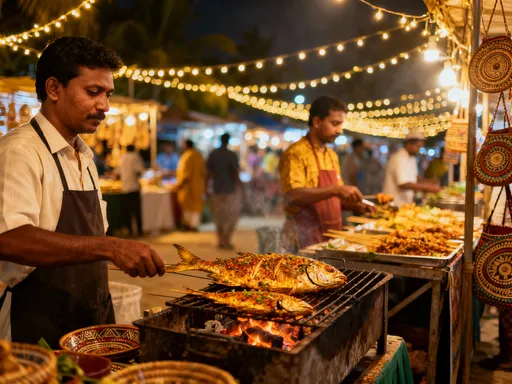
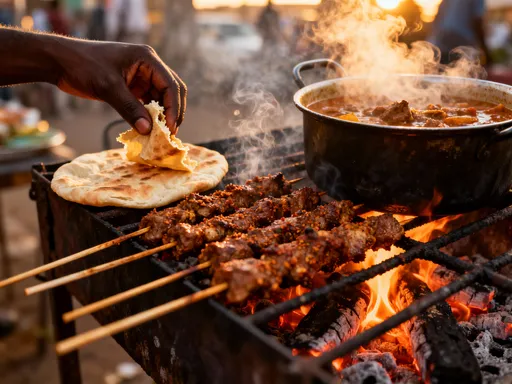
What sets Kuala Lumpur apart is its ability to honor ancient customs while embracing modern urban life. You’ll see young professionals in office attire pausing to light incense at a roadside shrine, or families in traditional garb snapping selfies in front of neon-lit festival displays. The city doesn’t choose between heritage and progress—it hosts both simultaneously. This duality is felt in the air: the scent of roasted duck and jasmine rice cakes mingles with the aroma of spiced curries and sandalwood incense. Music spills from open storefronts—Cantonese opera melodies drift past Bollywood film songs, while the call to prayer rises above it all in perfect harmony. It’s a sensory overload that never feels chaotic, but rather celebratory and inclusive.
The multicultural rhythm of KL is not just a backdrop—it’s the heartbeat of the city. Unlike destinations where festivals are isolated events, here they are interconnected, often overlapping in timing and space. It’s common for families to attend open houses across ethnic lines, sharing meals and greetings regardless of background. This culture of mutual respect is nurtured through generations and reinforced during festive seasons. For visitors, this means more than witnessing traditions—it means being welcomed into them. There’s no need to be of a particular faith or heritage to join in; kindness and curiosity are the only requirements. The city’s festivals are not performances for an audience but lived experiences, and travelers are not observers but participants when they approach with respect.
Moreover, the government and local communities work together to ensure these celebrations remain accessible and safe. Public transportation runs extended hours, pedestrian zones are created in festival hubs, and multilingual signage helps guide both locals and visitors. The city’s infrastructure supports the influx of people without sacrificing the authenticity of the events. In this way, KL manages to scale up its festivities without commercializing their essence. The glittering decorations, vibrant street art, and carefully curated bazaars enhance the experience without overshadowing the cultural significance. For the discerning traveler, this balance is rare and precious—a city that celebrates its soul without losing it to spectacle.
Chinatown on Fire: Experiencing Chinese New Year in KL
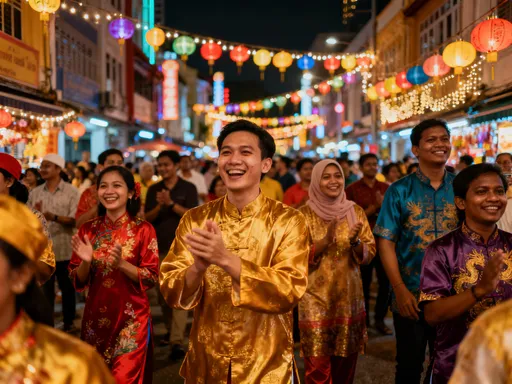
When Lunar New Year arrives, Kuala Lumpur’s Chinatown transforms into a crimson dreamscape. Petaling Street, normally a bustling market lane, becomes a tunnel of red lanterns strung from building to building, swaying gently in the warm night air. The sound of firecrackers—though now often replaced by recorded audio for safety—crackles through the streets, symbolizing the driving away of evil spirits. Everywhere you look, the color red dominates: in clothing, decorations, and even the packaging of festive treats. This is not just decoration; it’s a declaration of hope, prosperity, and renewal. The energy is electric, fueled by families reuniting, businesses praying for good fortune, and generations passing down customs with quiet pride.
One of the most iconic rituals during Chinese New Year in KL is the *yee sang* tossing ceremony. Gathered around low tables in open-air restaurants or family homes, groups of people use long chopsticks to toss a colorful salad of raw fish, shredded vegetables, and sweet sauces high into the air. The higher the toss, the greater the prosperity in the coming year. Laughter rings out as bits of carrot and plum sauce fly in all directions. It’s a joyful, slightly messy tradition that embodies the spirit of the season—abundance, unity, and a little bit of playful chaos. Participating in a *yee sang* toss, even as a visitor, is a memorable way to connect with locals and share in their hopes for the year ahead.
For those exploring the festivities, timing is key. The peak celebrations occur in the week leading up to and following Lunar New Year’s Day. Visiting in the late afternoon allows you to witness the transition from daylight to a dazzling night display, when the lanterns and neon signs fully come to life. To avoid the heaviest crowds, consider arriving earlier in the day or exploring side streets like Jalan Sultan or Jalan Tun H.S. Lee, where smaller family-run shops display handmade decorations and offer quieter photo opportunities. Many hotels and malls, including Pavilion KL and Suria KLCC, also host their own CNY displays, complete with themed installations and cultural performances, providing a more climate-controlled alternative for families with young children or elderly travelers.
No visit to KL during Chinese New Year is complete without indulging in the season’s culinary delights. Pineapple tarts, with their buttery crusts and sweet-sour filling, are a staple in almost every household. *Kuih bangkit*, delicate coconut milk cookies that melt in your mouth, are often served with tea during family gatherings. Street vendors offer *nian gao* (sticky rice cake), believed to bring prosperity because its name sounds like “higher year.” Even non-Chinese Malaysians look forward to these treats, a testament to how deeply the festival has become part of the national fabric. For travelers, sampling these foods isn’t just about taste—it’s a way of participating in a shared cultural language of sweetness, luck, and togetherness.
Deepavali Dreams: Light, Color, and Spirit in Little India
If Chinese New Year is a celebration of sound and motion, Deepavali is a festival of light and stillness. As dusk falls over Brickfields, Kuala Lumpur’s Little India, thousands of oil lamps—*diyas*—are lit in homes, temples, and along the streets. Their golden glow casts long shadows on walls adorned with *kolam*, intricate patterns drawn from colored rice flour or chalk. These geometric and floral designs are not merely decorative; they are invitations to Lakshmi, the goddess of wealth and prosperity, to enter homes and bless the inhabitants. The air is thick with the scent of jasmine garlands, sandalwood, and burning camphor, creating an atmosphere that feels both sacred and celebratory.
Jalan Alor and Jalan Travers become the heart of Deepavali festivities, lined with stalls selling everything from silk saris to hand-pounded spices. Families stroll in their finest traditional attire—women in vibrant sarees, men in crisp *kurta* sets—smiling as children dart between shops clutching bags of sweets. The sound of devotional songs blends with the chatter of bargain hunters and the occasional burst of laughter. Unlike the loud, kinetic energy of Chinese New Year, Deepavali moves at a more meditative pace. It’s a time for cleansing, reflection, and renewal, both spiritually and physically. Homes are deep-cleaned, wardrobes refreshed, and new clothes worn to symbolize a fresh start.
For visitors, the key to experiencing Deepavali with respect is mindfulness. Photography is welcomed in public spaces, but it’s courteous to ask before taking close-up photos of individuals, especially during prayer or family rituals. Many temples, such as the Sri Kandaswamy Kovil in Brickfields, open their doors to non-Hindu visitors during the festival, offering a chance to witness pujas (prayer ceremonies) and receive blessings. Participating in an *open house* is another beautiful way to engage—families welcome guests with trays of sweets like *laddu*, *jalebi*, and *murukku*, along with savory dishes such as *pongal* and *dhal*. Accepting food with the right hand (or both hands, as a sign of respect) is a small gesture that goes a long way in building connection.
The flavors of Deepavali are as rich as its symbolism. *Murukku*, spiral-shaped fried snacks made from rice and urad dal flour, are crunchy and mildly spiced, often gifted in decorative tins. *Pongal*, a creamy rice and lentil dish cooked with ghee and cumin, is traditionally prepared as an offering and shared with neighbors. Sweets are especially important, as they represent the sweetness of life and the joy of victory—Deepavali commemorates Lord Krishna’s defeat of the demon Narakasura. For travelers, tasting these foods is not just a culinary adventure but a way of honoring the story behind the celebration. Local bakeries and sweet shops, such as those around Medan Pasar, often open extended hours during the festival, making it easy to sample authentic treats without intruding on private moments.
Hari Raya Harmony: Warmth and Welcome After Ramadan
After the solemnity of Ramadan, Hari Raya Aidilfitri arrives like a breath of joy. In Kuala Lumpur, this Muslim celebration is marked by a profound sense of forgiveness, gratitude, and community. Homes and mosques are adorned with *pelita*—traditional oil lamps—and decorative *ketupat*, woven palm-leaf pouches that symbolize humility and togetherness. The scent of *rendang*, a rich coconut and beef stew slow-cooked with spices, fills the air as families prepare feasts for relatives and guests. The first morning of Hari Raya begins with communal prayers at mosques like Masjid Jamek or the National Mosque, where men, women, and children gather in their finest *baju kurung* and *baju Melayu*, the colors as bright as the mood.
One of the most beautiful traditions during Hari Raya is the *open house*. It’s not uncommon for Malay families to welcome dozens of visitors—friends, neighbors, colleagues, and even strangers—into their homes throughout the holiday. This practice embodies the Islamic values of generosity and hospitality. Guests are served an array of dishes, including *lemang* (glutinous rice cooked in bamboo), *satay*, and *kuih-muih* (traditional Malay cakes). Children receive *duit raya*, money in decorative envelopes, a custom similar to Chinese red packets but given after the fasting month ends. For travelers, being invited to an *open house* is a rare and touching privilege, a sign of trust and warmth that transcends cultural boundaries.
The best way to experience Hari Raya is through neighborhoods like Taman Tun Dr Ismail, Bangsar, or Section 16 in Shah Alam, where residential areas come alive with decorations and gatherings. While it’s important to respect the privacy of family moments, many public spaces host Hari Raya bazaars and cultural events. These bazaars are not just about food—they feature craft stalls, traditional games, and live performances of *dikir barat* or *kompang* drumming. The atmosphere is festive yet serene, a celebration of peace after a month of discipline and reflection. For visitors, observing the way families seek forgiveness from elders—by gently pressing their hands to the elder’s and bowing the head—is a powerful reminder of the values at the heart of the holiday.
Etiquette during Hari Raya is rooted in modesty and respect. Dressing conservatively is appreciated, especially when visiting homes or religious sites. Greetings like “Selamat Hari Raya” or “Maaf Zahir dan Batin” (forgive me for any wrongs) are commonly exchanged. While non-Muslims are not expected to fast, showing awareness of the month’s significance deepens the experience. Many hotels and malls in KL also host Hari Raya displays and themed dinners, offering a family-friendly way to sample the cuisine and learn about the culture. The spirit of the festival—renewal, gratitude, and unity—is universal, and Kuala Lumpur extends it generously to all who approach with an open heart.
Festival Hopping Made Easy: Navigating KL’s Cultural Calendar
Planning a trip around Kuala Lumpur’s festival season can feel overwhelming, but with a little preparation, it becomes one of the most rewarding travel experiences. The city’s major celebrations follow lunar or religious calendars, so exact dates shift each year. However, general timeframes remain consistent: Chinese New Year falls between late January and mid-February, Deepavali between October and November, and Hari Raya Aidilfitri after the month of Ramadan, which moves approximately ten days earlier each year. Rather than fixating on specific dates, travelers should focus on flexibility and real-time information. Local resources such as the Tourism Malaysia website, the Visit KL app, and tourist information centers at major malls provide up-to-date event schedules, transportation alerts, and crowd advisories.
Transportation in KL is efficient during festival periods, but adjustments are necessary. The LRT, MRT, and monorail lines often extend operating hours, especially on peak celebration nights. Using the MyRapid app allows travelers to check real-time train schedules and avoid delays. Ride-hailing services like Grab remain reliable, though surge pricing may apply in high-demand areas. For those staying in the city center, walking between festival zones—such as from Bukit Bintang to Chinatown or Brickfields—is often the best way to absorb the atmosphere. Pedestrian-friendly routes are clearly marked, and police presence ensures safety in crowded areas.
For a balanced itinerary, consider a 4- to 5-day visit that aligns with one major festival while allowing time to explore KL’s other attractions. Begin with a morning temple or mosque visit to experience the quieter, spiritual side of the celebration. Afternoon can be spent shopping for festival goods or attending cultural performances. Evenings are reserved for the main events—lantern displays, bazaars, and open houses. Pairing festival time with visits to landmarks like the Petronas Twin Towers, KL Tower, or the Batu Caves ensures a well-rounded experience. Many cultural centers, such as the Islamic Arts Museum or the Guan Di Temple, also host special exhibitions during festive seasons, adding educational depth to the trip.
Accommodation options range from luxury hotels with festival-themed packages to boutique guesthouses in heritage neighborhoods. Booking early is advisable, as rooms fill quickly during peak periods. Some hotels offer guided festival walks, cooking classes, or cultural talks, enhancing the visitor’s understanding. Travelers should also consider packing essentials like comfortable walking shoes, a light scarf (for mosque visits), and a portable charger—festive days are long, and phones will be in constant use for photos and navigation. With thoughtful planning, festival hopping in KL is not just manageable—it’s seamless and deeply enriching.
Beyond the Main Events: Hidden Moments and Local Favorites
While the grand displays and crowded bazaars capture the imagination, some of the most meaningful festival experiences in Kuala Lumpur happen in quieter moments. Early morning visits to temples or mosques reveal a different side of the celebrations—serene, reflective, and deeply personal. Watching a family light oil lamps at a Hindu shrine before sunrise, or seeing elders pray at a mosque on Hari Raya morning, offers a glimpse into the spiritual core of these festivals. These moments are not staged for tourists; they are lived with sincerity and devotion.
Some neighborhoods offer more intimate encounters. Kampung Baru, a traditional Malay village in the heart of the city, maintains a slower pace during Hari Raya, where homes are decorated with handmade *ketupat* and families gather for quiet meals. In Cheras or Kepong, Chinese-Malaysian families may invite neighbors to join their *yee sang* toss, blurring ethnic lines in the spirit of unity. Brickfields, beyond the main Deepavali bazaar, has small community centers that host craft workshops—visitors can learn to make *kolam* designs or string jasmine garlands alongside local children.
Slowing down allows travelers to move beyond photo opportunities and into genuine connection. Sitting with a vendor at a night market, sharing stories over a cup of *teh tarik*, or accepting an unexpected invitation to a home celebration—these are the memories that last. They require no itinerary, only presence and openness. By choosing to linger in these spaces, visitors honor the culture not as spectators but as guests, welcomed into the rhythm of daily life.
Capturing Culture: How to Truly Connect, Not Just Check In
In an age of social media and bucket lists, it’s easy to treat cultural festivals as photo ops—a quick stop to “check in” and move on. But Kuala Lumpur’s celebrations invite something deeper: authentic engagement. The difference lies in intention. Are we there to witness, or to participate? To collect images, or to build understanding? The city’s festivals are not performances; they are living traditions, shaped by generations of faith, family, and community. Approaching them with respect transforms a visit from tourism into connection.
Simple gestures make a difference. Learning to say “Gong Xi Fa Cai,” “Selamat Deepavali,” or “Selamat Hari Raya” shows effort and respect. Asking before taking photos acknowledges the dignity of the moment. Buying from local vendors, rather than mass-produced souvenirs, supports the community directly. Most importantly, listening—asking questions, hearing stories, sharing meals—creates bridges that last beyond the trip.
Kuala Lumpur doesn’t demand perfection from its visitors. It asks only for kindness, curiosity, and an open heart. When travelers bring these qualities, the city responds in kind, offering warmth, welcome, and memories that resonate long after the lanterns are packed away. These festivals are not just events on a calendar—they are invitations to belong, even if just for a moment. And in that belonging, we find the true pulse of culture, alive and beating strong.