How I Unlocked San Diego’s True Culture Without Saying a Word
You know that feeling when a place surprises you? San Diego wasn’t just sunshine and beaches—it was alive with culture. I went looking for sights but found soul instead. From neighborhood murals to street markets humming with energy, the real magic wasn’t in guidebooks. It was in how locals live. This is how I tapped into it—no fluent Spanish, no insider contacts. Just smart moves, open eyes, and respect. Let me show you how to truly feel a city, not just visit it.
The Mindset Shift: Moving Beyond Tourist Mode
Traveling with intention begins not with a map, but with a mindset. Most visitors to San Diego arrive with a checklist: the USS Midway Museum, Balboa Park, the beaches of La Jolla. These are worthy destinations, but they offer only a surface-level glimpse of the city. True cultural connection happens when you shift from being a passive observer to an active participant in the rhythm of daily life. This doesn’t require fluency in the local language or deep social ties. It simply asks that you slow down, observe closely, and approach each moment with quiet curiosity.
Instead of rushing from one landmark to the next, I began my mornings at neighborhood coffee shops where residents gathered before work. In North Park, a barista greeted regulars by name. In City Heights, a small Vietnamese café buzzed with conversation in multiple languages. These were not staged experiences—they were real, unscripted moments of community. I noticed how people interacted: the way a grandmother corrected her grandson’s posture, the laughter shared over spilled coffee, the way neighbors nodded to one another on the sidewalk. These small gestures, often overlooked, are the threads that weave the fabric of local culture.
By releasing the pressure to “see everything,” I allowed myself to linger. I sat on benches and watched street vendors set up their carts. I noticed the music drifting from open car windows—sometimes Mexican rancheras, sometimes Filipino pop, sometimes West African rhythms. Each sound told a story of heritage and home. This kind of immersion isn’t loud or dramatic. It’s subtle, cumulative, and deeply human. The shift from tourist to mindful traveler doesn’t demand grand gestures. It begins with presence—being fully in a place, not just passing through it.
Choosing the Right Neighborhoods: Where Culture Lives
If downtown San Diego and La Jolla represent the city’s polished postcard image, neighborhoods like Barrio Logan, City Heights, and North Park reveal its beating heart. These areas are not curated for visitors; they exist for the people who live, work, and raise families there. They are where immigrant communities have put down roots, where traditions are preserved, and where cultural identity is proudly displayed in storefronts, street names, and everyday interactions.
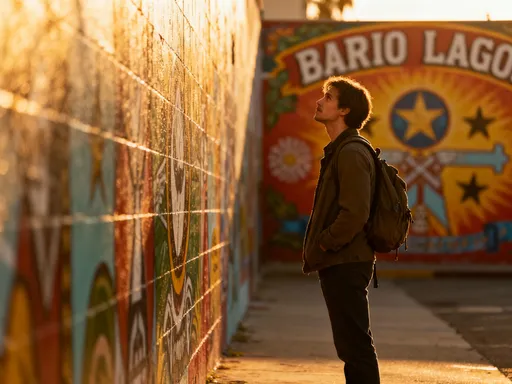
Barrio Logan, located just south of downtown, is a cornerstone of Chicano culture in California. The neighborhood is anchored by Chicano Park, a nationally recognized historic site adorned with vibrant murals that span freeway pillars and underpasses. But the park is not the only attraction—it’s part of a living, breathing community. Families gather on weekends, children play soccer on the fields, and elders sit on benches sharing stories in Spanish. The surrounding streets are lined with family-owned businesses: taquerías with handwritten menus, auto shops with lowriders parked out front, and panaderías filled with the scent of fresh conchas.
City Heights, one of the most diverse neighborhoods in the country, offers a different but equally rich cultural tapestry. Here, you’ll find one of the largest Somali populations in the United States, alongside Cambodian, Vietnamese, and Latino communities. Walking through the area, you’re just as likely to hear Arabic as English or Spanish. The smell of cumin and cardamom drifts from restaurant kitchens. Markets display tropical fruits unfamiliar to many Americans—mangosteens, longans, jackfruit—while women in colorful hijabs browse for fresh herbs and spices.
North Park, while increasingly popular with younger professionals, still retains its artistic and community-driven spirit. Its sidewalks are lined with murals, independent bookstores, and craft breweries that host local musicians. The Thursday farmers’ market draws a mix of longtime residents and newcomers, but the focus remains on local produce and handmade goods. To experience these neighborhoods authentically, timing and approach matter. Visiting on weekday mornings often means fewer crowds and more natural interactions. Public transit, biking, or walking allows for deeper engagement than driving through in a rental car. The goal is not to consume culture as entertainment, but to witness it as it unfolds organically.
Food as a Cultural Passport
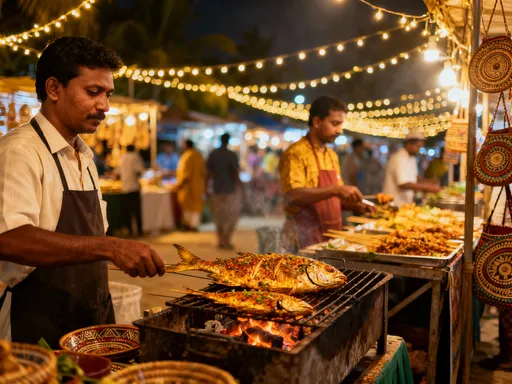
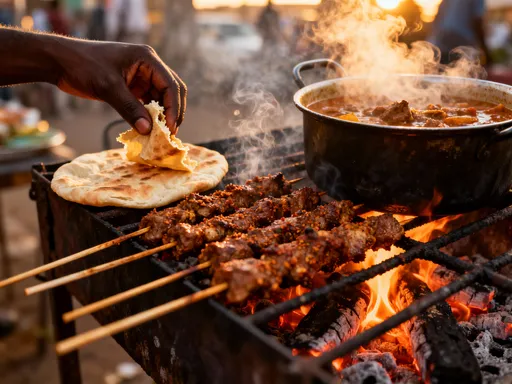
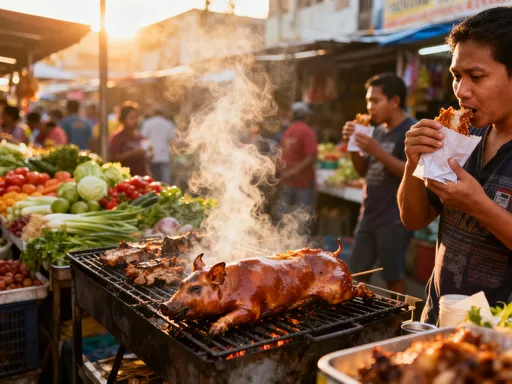
In San Diego, food is not just sustenance—it’s storytelling. The city’s culinary landscape reflects decades of migration, adaptation, and pride. While upscale restaurants offer refined takes on regional cuisine, the most meaningful meals are often found in unassuming places: a taco truck parked near a gas station, a dimly lit diner with a chalkboard menu, or a bustling market stall where the owner hands you a sample before you even ask.
One of the most iconic dishes, carne asada fries, originated in local Mexican-American communities. It’s more than a fusion snack—it’s a symbol of cultural blending. Crispy fries topped with grilled beef, melted cheese, guacamole, and sour cream may sound indulgent, but it speaks to the creativity and resourcefulness of immigrant families who made delicious meals from accessible ingredients. Eating it at a neighborhood taquería, surrounded by locals who order it as comfort food, adds layers of meaning that no food tour guide can fully explain.
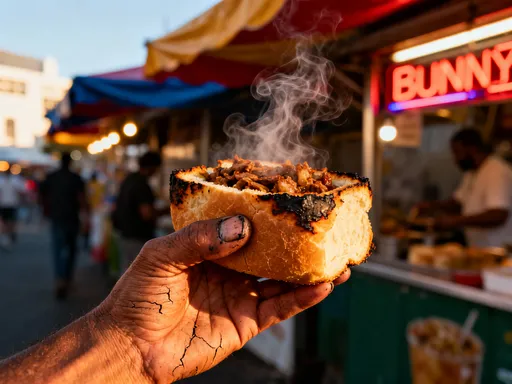
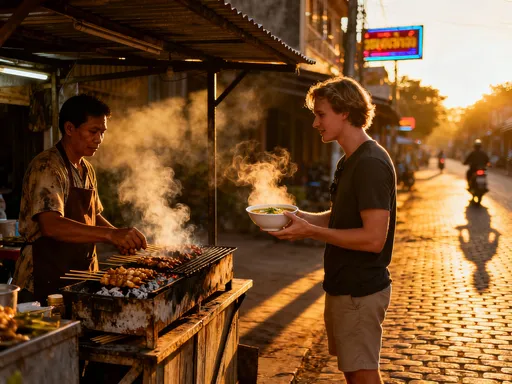
To find authentic spots, I followed a simple rule: look for lines of locals, not tourists. A long queue at a food truck during lunch hour is a reliable sign of quality. I also paid attention to where delivery drivers ate—they know the best places. At one small shop in Barrio Logan, I watched a group of construction workers in dusty boots line up for burritos wrapped in foil. I ordered the same—al pastor, with extra cilantro and onions—and received a nod of approval from the man behind the counter.
Learning a few key phrases helped, even if my Spanish was far from perfect. Asking “¿Qué recomienda?” (What do you recommend?) showed respect and often led to a personalized suggestion. One vendor in City Heights, noticing my hesitant accent, switched to English and explained the difference between sambusa and samosa—two variations of a similar dish, shaped by Somali and South Asian traditions. That conversation, sparked by a simple meal, deepened my understanding more than any brochure could.
Public Art and Murals: Stories on the Wall
San Diego’s murals are not decorations—they are declarations. Nowhere is this more evident than in Chicano Park, where over 70 murals cover the pillars beneath the Coronado Bridge. Painted in bold colors and intricate detail, these works depict Aztec gods, civil rights leaders, indigenous farmers, and revolutionary figures. They are acts of remembrance, resistance, and celebration. Each mural tells a chapter of the Chicano movement, from the fight for land rights to the preservation of cultural identity.
Walking through the park, I realized that these paintings were not meant for casual photo ops. They were created by and for the community, often in response to social injustice. In the 1970s, residents occupied the land beneath the bridge to prevent the construction of a highway patrol station, demanding a park instead. The murals emerged from that struggle, transforming a neglected space into a sacred one. Understanding this history changed how I viewed the art. I wasn’t just seeing images—I was witnessing a legacy.
Elsewhere in the city, murals carry different but equally powerful messages. In City Heights, a large painting honors the Lost Boys of Sudan, depicting young men walking across a desert toward a new life. In North Park, a vibrant wall celebrates women farmers from Oaxaca, their hands full of corn and flowers. These works invite viewers to pause, reflect, and learn. To appreciate them fully, I downloaded a self-guided tour map from a local arts nonprofit and read the artist statements at each site. This context turned a casual walk into a meaningful journey.
Photographing murals is common, but I made a point to do so respectfully. I avoided blocking pathways or disrupting gatherings. When people were present in the scene, I asked permission before taking pictures. In several cases, locals offered to explain the meaning behind a mural, turning a silent observation into a shared moment. These interactions reminded me that public art is not static—it lives through the people who create it and those who engage with it.
Timing It Right: Events That Reveal Local Life
Some of the most authentic cultural experiences in San Diego happen not at tourist attractions, but during local events that fly under the radar. Weekend festivals in Balboa Park draw large crowds, but weekday gatherings in neighborhood centers offer quieter, more intimate glimpses into community life. These are not performances for visitors—they are celebrations for residents, and being invited to witness them is a privilege.
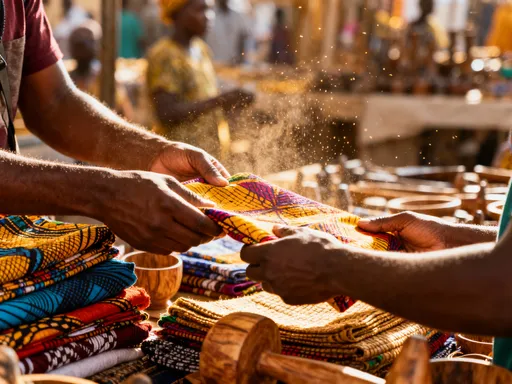
One of the most memorable was the Mercado del Barrio, a monthly street market in Barrio Logan. Held on a Saturday morning, it transforms a parking lot into a vibrant marketplace. Vendors sell handmade jewelry, traditional clothing, fresh produce, and hot tamales wrapped in banana leaves. Live music fills the air—sometimes a mariachi band, sometimes a conjunto group playing bajo sexto and accordion. Children run between stalls, chasing bubbles or riding on their parents’ shoulders.
What struck me most was the absence of a “tourist zone” mentality. There were no overpriced souvenirs or staged photo ops. People came to shop, eat, and socialize. I bought a small clay figurine from an artisan who explained that each piece was modeled after pre-Columbian designs. At a food stall, I shared a table with a family celebrating a birthday. They offered me a bite of their cake—a simple gesture that felt like an unspoken welcome.
Other events, like neighborhood fiestas or cultural heritage days, are often announced through local libraries, community centers, or church bulletins. I learned to check the websites of organizations like the Barrio Logan Community Development Corporation or the City Heights Wellness Center. Attending these events required a delicate balance: showing up with respect, staying observant, and avoiding the urge to dominate the space. I dressed modestly, spoke softly, and let the moment unfold naturally. Sometimes, the most powerful way to connect is simply to be present—listening, watching, and absorbing the energy of a community in celebration.
Conversations Without Fluency: Connecting Across Languages
Many travelers worry that language barriers will prevent meaningful connection. In San Diego, I discovered that while Spanish is widely spoken, mutual respect often bridges the gap more effectively than vocabulary. You don’t need to be fluent to communicate warmth, curiosity, or gratitude. A smile, a nod, or a simple “buenos días” can open doors that words alone might not.
At a small panadería in Barrio Logan, I pointed to a golden pastry I didn’t recognize. The woman behind the counter smiled and said, “Concha.” When I repeated the word, she laughed kindly and handed me a sample. That small exchange led to a brief conversation—she told me it was her favorite, that her mother used to make them every Sunday. I couldn’t follow every word, but her tone, her gestures, and the pride in her eyes conveyed more than grammar ever could.
On another day, at a produce stand in City Heights, I struggled to identify a spiky green fruit. The vendor, a Somali woman in a bright yellow hijab, patiently showed me how to cut it open and offered a taste. When I asked what it was, she said, “Bilinji—jackfruit.” I repeated it slowly, and she nodded. We didn’t speak the same language, but we shared a moment of discovery. These interactions weren’t about perfect communication—they were about human connection.
Learning a few essential phrases made a difference. “Por favor,” “gracias,” “¿dónde está…?”—simple tools that showed effort and respect. When I made mistakes, people were gracious. One man at a taco stand corrected my pronunciation with a chuckle and said, “You’re close!” That moment of kindness stayed with me longer than the meal. Language is a bridge, but attitude is the foundation. Approaching others with humility and openness invites them to meet you halfway.
Leaving Lightly: Traveling with Cultural Respect
True cultural travel is not about extraction—it’s about exchange. It’s not about taking photos to post online, but about carrying lessons home. This means moving through neighborhoods with care, recognizing that these are not exhibits, but living communities. It means resisting the temptation to treat poverty or difference as a spectacle. “Poverty tourism,” where visitors gawk at hardship as if it were entertainment, is not only unethical—it’s harmful.
I made a personal commitment: to support local economies in meaningful ways. Instead of buying mass-produced souvenirs, I purchased handmade goods directly from artisans. I ate at family-run restaurants, not chain franchises. I left tips even at food trucks, knowing that many workers rely on them. These small choices added up, contributing to the communities I was privileged to visit.
I also practiced mindful photography. I avoided taking pictures of people without permission, especially children or elders. If I wanted to photograph a mural or a street scene, I waited for moments when no one was in distress or discomfort. In several cases, I asked, “¿Puedo tomar una foto?” and respected a “no” without question. This approach not only protected privacy but also built trust.
Respect also means knowing when to step back. There were moments when I sensed that my presence was intrusive—during a private gathering, at a religious ceremony, in a quiet courtyard. In those cases, I walked away quietly. Cultural appreciation is not about access; it’s about awareness. It’s understanding that some spaces are not meant for outsiders, and that’s okay. The goal is not to see everything, but to honor what you do witness.
Bringing the Culture Home
It wasn’t the views from Cabrillo—it was the laughter in a City Heights courtyard that stayed with me. San Diego’s culture isn’t performed; it’s lived. By choosing presence over possession, curiosity over convenience, travelers gain more than memories—they gain understanding. The real destination wasn’t a place. It was perspective.
When I returned home, I didn’t just unpack souvenirs—I unpacked lessons. I started visiting immigrant-owned businesses in my own city. I learned to cook carne asada fries from scratch, sharing the story behind the dish with my family. I framed a photo of a mural from Chicano Park, not as decoration, but as a reminder of resilience and community pride.
Traveling deeply changes how you see the world. It teaches you to listen more than speak, to observe before acting, to value connection over consumption. San Diego didn’t give me a checklist of sights. It gave me a new way of being in the world—one rooted in respect, openness, and quiet wonder. And that, more than any landmark, is the true gift of travel.