One Wild Ride Through Calgary’s Untamed Nature
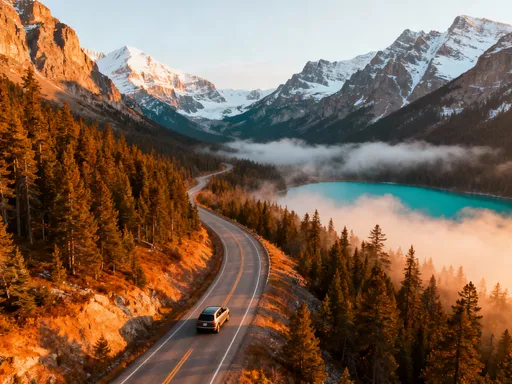
You know that feeling when the open road stretches ahead and nature just explodes around you? That’s exactly what happens when you hit the wild side of Calgary by car. I’m talking pine-scented air, mountains that look Photoshopped, and lakes so blue they hurt your eyes—in the best way. This isn’t just a drive; it’s a front-row seat to Canada’s raw beauty. From the moment you leave the city’s skyline behind, the landscape transforms into something wilder, quieter, and deeply alive. Whether you’re chasing sunrise over a frozen alpine lake or winding through golden aspen groves in autumn, Calgary offers immediate access to some of the most breathtaking natural scenery in North America. And the best part? You don’t need special permits or expert hiking skills—just a reliable car, a sense of curiosity, and the willingness to follow the road where it leads.
Why Calgary is a Gateway to the Wild
Calgary is more than a vibrant prairie city with modern amenities and a thriving cultural scene—it is a true portal to the untamed wilderness of the Canadian Rockies. Positioned at the eastern edge of the Rocky Mountain foothills, Calgary enjoys a rare geographical advantage: within just 30 to 90 minutes of downtown, drivers can transition from urban streets to pristine forests, rushing rivers, and snow-capped peaks. This proximity makes the city one of North America’s most accessible gateways to nature without sacrificing comfort or convenience.
Unlike many mountain towns that require long drives just to reach trailheads, Calgary residents and visitors can wake up in a hotel or suburban home and be deep in alpine terrain before mid-morning. The city acts as a launchpad for exploration, offering fuel stations, grocery stores, outdoor gear shops, and visitor centers—all the essentials needed for a safe and enjoyable journey into the wild. At the same time, the natural barriers of the Rockies and the vast protected areas to the west prevent urban sprawl from encroaching too far into the backcountry, preserving the integrity of the landscape.
What sets Calgary apart is not just its location, but the diversity of ecosystems within easy reach. To the west lies Banff National Park, Canada’s first national park and a UNESCO World Heritage Site. To the southwest, Kananaskis Country spans over 4,000 square kilometers of provincial parks, wildland provincial parks, and protected areas. These regions offer everything from high-elevation hiking trails to serene lakeside picnic spots, all connected by well-maintained roads that welcome passenger vehicles, SUVs, and even RVs during the right seasons.
Moreover, the city’s infrastructure supports outdoor adventure in practical ways. Major highways like the Trans-Canada Highway (Highway 1) and Highway 40 provide direct routes into the mountains, while seasonal road maintenance ensures safe travel during summer and early fall. Calgary International Airport also makes it easy for travelers from across Canada and beyond to arrive and begin their nature journey almost immediately. This seamless blend of urban readiness and natural immediacy is what makes Calgary a uniquely powerful base for anyone seeking immersive experiences in the great outdoors.
Top Natural Regions Within Driving Distance
From Calgary, several extraordinary natural regions lie within a two-hour drive, each offering its own distinct character and seasonal beauty. Among the most popular and rewarding destinations are Kananaskis Country, Spray Valley Provincial Park, and the Bow Valley corridor—all accessible by car and ideal for day trips or extended excursions.
Kananaskis Country, often affectionately called “K-Country” by locals, is a vast network of provincial parks and protected areas located about an hour’s drive southwest of Calgary. It includes destinations like Peter Lougheed Provincial Park, where Upper and Lower Kananaskis Lakes reflect towering peaks and dense evergreen forests. The area is renowned for its alpine meadows bursting with wildflowers in summer, crystal-clear streams perfect for trout fishing, and panoramic viewpoints reachable via short walks from parking areas. Drive times vary depending on the specific destination within K-Country—Bragg Creek, a charming hamlet at the edge of the wilderness, is only 35 minutes away, while Smith-Dorrien Trail, a scenic gravel route along the Spray Lakes Reservoir, takes about 75 minutes.
Spray Valley Provincial Park, which borders Banff National Park to the north, offers a slightly more remote experience while still being easily reachable by car. The Spray Lakes Road leads to stunning alpine vistas, glacial lakes, and access points for backcountry trails. One of the most photographed spots here is the view of Mount Sparrowhawk and Mount Indefatigable from the shores of Spray Lakes Reservoir—a sight that draws photographers and nature lovers alike, especially during sunrise when the light paints the water in soft pinks and golds. Because this area sees fewer visitors than Banff, it provides a quieter alternative for those seeking solitude without venturing too far off the beaten path.
The Bow Valley, stretching westward from Calgary toward Canmore and Banff, is another prime destination for scenic drives. Highway 1A, also known as the Bow Valley Trail, runs parallel to the Trans-Canada Highway and offers a slower, more picturesque route through rolling foothills and riverfront forests. This road passes near popular spots like Johnston Canyon, where short trails lead to dramatic waterfalls, and the Ghost Public Land Use Zone, a lesser-known area rich in history and wildlife. In autumn, the valley explodes with color as aspen trees turn golden, making it one of the most sought-after seasonal drives in Alberta. During winter, the same routes offer breathtaking snow-covered landscapes, ideal for spotting animal tracks and enjoying the silence of a frost-laden forest.
Each of these regions transforms with the seasons, offering entirely different experiences depending on when you visit. Summer brings wildflower blooms, accessible trails, and warm lakes perfect for paddling. Fall offers crisp air, golden foliage, and fewer crowds. Winter reveals a monochrome wonderland ideal for snowshoeing, wildlife viewing, and photography. Spring, though sometimes muddy, brings rushing rivers fed by melting snow and the return of migratory birds. The flexibility of driving allows travelers to adapt their plans based on current conditions, making each trip unique and personal.
The Magic of Exploring by Car: Freedom, Flexibility, and Spontaneity
There is a special kind of freedom that comes with exploring nature by car—one that no guided tour or public transit schedule can replicate. When you’re behind the wheel, the journey becomes yours alone. You decide when to stop, where to pause, and how long to linger. That unmarked pull-off with a perfect view of a distant peak? You can pull over and savor it. The sudden appearance of a moose grazing near the roadside? You can safely observe from your vehicle without disturbing it. The urge to play your favorite album as the sun rises over a misty valley? That’s yours to enjoy.
Self-driven exploration allows for spontaneity in a way that structured itineraries often lack. Imagine setting out early in the morning with a general idea—perhaps a hike near Canmore—but then spotting a side road marked “Scenic View” and deciding to follow it. Ten minutes later, you find yourself at a quiet overlook with a panoramic vista of the entire Bow Valley, completely empty of other visitors. These unplanned moments are often the most memorable, made possible only by the independence that driving provides.
Additionally, traveling by car means you can bring exactly what you need for comfort and preparedness. A cooler with water and snacks ensures you stay hydrated and energized. Extra layers of clothing can be stored in the trunk, ready for sudden weather changes common in mountain environments. Hiking boots, binoculars, a camera, and even a thermos of hot tea can all be packed without concern for luggage limits or storage restrictions. Families, couples, and solo travelers alike benefit from this level of control over their experience.
Another advantage is the ability to adjust plans based on real-time conditions. If a trailhead is crowded, you can choose a different route. If rain begins to fall, you can retreat to the comfort of your vehicle and wait it out. If you discover a local farmer’s market or roadside stand selling fresh honey and homemade preserves, you can make an impromptu stop. This flexibility enhances both safety and enjoyment, allowing travelers to respond naturally to the environment rather than forcing themselves to stick to a rigid schedule.
Perhaps most importantly, driving fosters a deeper connection to the landscape. As you navigate winding mountain roads, cross wooden bridges over rushing creeks, and pass through tunnels of pine and spruce, you become part of the journey in a tactile way. The rhythm of the drive—the hum of the engine, the changing light through the trees, the occasional honk of a Canada goose taking flight—creates a meditative experience that prepares the mind for immersion in nature. It’s not just about reaching a destination; it’s about how you get there.
Must-Have Tips for a Smooth Nature Drive
While the freedom of a self-guided drive is exhilarating, preparation is key to ensuring a safe and enjoyable experience. Alberta’s mountain and foothills regions are beautiful but unpredictable, especially during transitional seasons like spring and fall when weather can shift rapidly. A few simple precautions can make all the difference between a smooth adventure and an unexpected challenge.
First, ensure your vehicle is in good condition before heading out. Check tire pressure and tread depth, especially if you plan to drive on gravel or snow-covered roads. All-season or winter tires are recommended depending on the season, and carrying a spare tire, jack, and basic toolkit is wise. Fluid levels—oil, coolant, brake fluid—should be inspected, and windshield wipers should be in working order to handle sudden rain or snow flurries.
Next, always check road conditions before departure. Alberta Transportation provides real-time updates on highway closures, construction zones, and winter maintenance efforts through its online traveler information service. Parks such as Kananaskis and Banff may have seasonal road closures or restricted access due to wildlife activity or avalanche risk. Being informed helps avoid disappointment and ensures you don’t end up stranded on an impassable route.
Navigation is another critical factor. While GPS apps like Google Maps or Apple Maps are useful, they can fail in remote areas where cell service is limited or nonexistent. Downloading offline maps through apps like Gaia GPS or OnX Backcountry can provide reliable guidance even without a signal. Additionally, carrying a physical map and knowing how to read it adds a layer of safety and self-reliance. Many experienced drivers keep a topographic map of the region in their glove compartment as a backup.
Packing essentials is equally important. Bring plenty of water—more than you think you’ll need—as dehydration can occur even in cool weather. High-energy snacks like nuts, granola bars, and dried fruit help maintain energy levels during long drives or hikes. Dress in layers, including a moisture-wicking base layer, an insulating mid-layer, and a waterproof outer shell, to adapt to changing temperatures. A hat, gloves, and extra socks should never be overlooked, especially in higher elevations where conditions can be significantly colder.
Finally, fuel up before leaving Calgary. Gas stations become sparse once you move deeper into the foothills and mountains, and running low on fuel can lead to unnecessary stress. Some remote routes, like parts of the Smith-Dorrien Trail, do not have any refueling options, so starting with a full tank is essential. Let someone know your planned route and expected return time, especially if you’re visiting less-traveled areas. These simple steps contribute to a safer, more confident journey into the wild.
Hidden Gems Only Locals (and Smart Drivers) Know
Beyond the well-marked trails and popular viewpoints lie quieter corners of the landscape that offer solitude, beauty, and a sense of discovery. These hidden gems are often known only to locals or those who take the time to explore beyond the main highways. They are not always signposted, but they reward the curious traveler with moments of peace and connection to nature.
One such spot is the little-used pullout along the Elbow River, just past Bragg Creek on Highway 22X. A short walk from the roadside leads to a secluded bench overlooking the river, where the sound of rushing water drowns out the distant hum of traffic. It’s an ideal place to pause with a thermos of coffee and watch for deer moving through the trees at dawn. Because it’s not a formal park or trailhead, it rarely appears on tourist maps, yet it offers a serene introduction to the foothills.
Another lesser-known location is the early-morning elk viewing area along Highway 40, north of Kananaskis Village. During the fall rutting season, herds of elk gather in the open meadows near the road, often visible from a respectful distance. Arriving before sunrise increases the chances of witnessing this natural spectacle without the crowds that come later in the day. Drivers are reminded to stay in their vehicles, keep noise to a minimum, and avoid blocking the road to ensure both safety and respect for the animals.
For those heading toward Canmore, a quiet sunrise viewpoint exists along the Trans-Canada Highway near Dead Man’s Flats. Just before the town, a small shoulder allows vehicles to pull over with a clear view eastward across the valley. On crisp mornings, the rising sun casts long shadows over the fields and illuminates the peaks behind, creating a moment of stillness before the day begins. It’s a simple stop, often overlooked, but deeply moving for those who take the time to witness it.
These hidden spots share a common thread: they are accessible by car, require no special equipment, and offer genuine encounters with nature. They remind us that adventure doesn’t always require climbing the highest peak or hiking the longest trail. Sometimes, it’s as simple as taking an extra turn, stopping where others keep driving, and being present in the moment.
Respecting Nature While You Explore
With the privilege of accessing such magnificent landscapes comes the responsibility to protect them. The beauty of Calgary’s surrounding wilderness is fragile, shaped by centuries of natural processes and maintained through careful stewardship. Every visitor plays a role in preserving these areas for future generations by following ethical outdoor practices.
The Leave No Trace principles provide a clear framework for responsible recreation. First and foremost, stay on designated roads and trails. Venturing off-road, even briefly, can damage delicate alpine vegetation and compact soil, making recovery difficult in harsh climates. Vehicles should park only in marked lots or approved pull-offs to avoid disturbing surrounding habitats.
Wildlife safety is another crucial consideration. Animals such as elk, deer, bears, and coyotes are commonly seen in these regions, and while sightings are thrilling, they must be observed from a safe and respectful distance. Feeding wildlife is illegal and harmful, as it alters natural behaviors and can lead to dangerous encounters. Keeping noise levels low and using binoculars instead of approaching too closely helps minimize stress on animals.
Packing out all trash—including food wrappers, fruit peels, and coffee grounds—is essential. Even biodegradable items can take years to decompose in cold environments and may attract animals to roadsides, increasing the risk of vehicle collisions. Carrying a small trash bag in the car makes it easy to collect waste and dispose of it properly once back in the city.
Seasonal closures are implemented in certain areas to protect wildlife during sensitive times, such as calving season or winter hibernation. Drivers should check Alberta Parks alerts before heading out to ensure their route is open and compliant with current regulations. Respecting these closures is not just about following rules—it’s about recognizing that we are guests in a shared ecosystem.
Ultimately, responsible exploration enhances the experience. Knowing that your presence has minimal impact allows for a deeper sense of peace and connection. The quiet rustle of leaves, the distant call of a raven, the stillness of a frozen lake—these moments are preserved not by isolation, but by collective care.
Why This Kind of Journey Changes How You See the World
Driving through Calgary’s wild landscapes is more than a recreational activity—it is a form of slow travel that invites reflection, presence, and emotional renewal. In a world dominated by screens, schedules, and constant connectivity, these journeys offer a rare opportunity to disconnect and reconnect—with nature, with loved ones, and with oneself.
There is something profoundly grounding about watching a herd of deer cross a misty valley at dawn, their silhouettes moving like shadows through the fog. Or sitting by a glacial lake as the first light hits the water, turning it from gray to shimmering blue. These moments stay with you, not because they are extraordinary in a dramatic sense, but because they are real, unfiltered, and fleeting. They remind us of the quiet rhythms of the natural world, which continue regardless of human concerns.
Time spent immersed in wild spaces has been shown to reduce stress, improve mood, and enhance mental clarity. The act of driving through changing landscapes—forest to meadow, river to ridge—creates a natural meditation, allowing thoughts to settle and perspectives to shift. Parents report deeper conversations with their children when removed from digital distractions. Couples find renewed connection in shared silence and awe. Solo travelers often describe feelings of clarity and inner peace after a day in the mountains.
But beyond personal benefits, these journeys foster a sense of stewardship. When you witness the beauty of an untouched alpine meadow or the quiet dignity of a wild animal in its habitat, you develop a deeper understanding of why conservation matters. It’s no longer an abstract concept—it becomes personal. You begin to see yourself not as separate from nature, but as part of it.
So plan your drive not for the perfect photograph or the social media post, but for the quiet moment when the wind carries the scent of pine, and the road unwinds ahead like a promise. Let the mountains remind you of your place in something larger. Let the stillness fill the spaces that daily life leaves empty. Because in the end, the wild places near Calgary are not just destinations—they are invitations to remember what it means to be truly alive.