Sapporo’s Soul: Where Culture Lives in Every Corner
Walking through Sapporo feels like flipping through the pages of a living cultural diary. You don’t just see traditions—you hear them in temple bells, taste them in steaming bowls of miso ramen, and feel them in the quiet grace of a tea ceremony. This isn’t just Japan’s snowy northern gem; it’s a city where old and new coexist in perfect harmony. From the echoes of Ainu heritage to the glow of snow lanterns in winter, Sapporo invites travelers to experience culture not as a performance, but as a daily rhythm. If you’re chasing authentic cultural moments, Sapporo doesn’t disappoint—it defines them.
The Heartbeat of Hokkaido: Sapporo as a Cultural Crossroads
Sapporo stands apart from Japan’s other major cities not only in geography but in cultural identity. As the capital of Hokkaido, Japan’s northernmost island, it serves as a bridge between the indigenous past and a modern, cosmopolitan present. Unlike ancient capitals such as Kyoto or Nara, Sapporo was a planned city, established during the Meiji era in the late 19th century as Japan sought to develop its northern frontier. This deliberate foundation allowed for wide streets, open green spaces, and a grid layout that still defines the city today, making it both navigable and inviting for cultural exploration.
What makes Sapporo truly unique is its layered cultural identity. While deeply Japanese in practice and language, the city carries within it the legacy of the Ainu people, the original inhabitants of Hokkaido. Their traditions, language, and art continue to influence the region’s character. At the same time, Sapporo absorbed waves of settlers from southern Japan during its development, blending regional customs into a new northern identity. In more recent decades, international influences—from European architecture to global cuisine—have added further dimensions, yet without overshadowing local roots.
This fusion creates a cultural landscape that feels both familiar and refreshingly distinct. Visitors are not overwhelmed by historical density, as in older cities, but instead invited to engage with culture through accessible, lived experiences. Whether attending a seasonal festival, visiting a reconstructed Meiji-era village, or enjoying a locally brewed craft beer, travelers encounter a city that values tradition not as a relic, but as a living, evolving practice. Sapporo’s openness to cultural dialogue makes it an ideal destination for those seeking authenticity without spectacle.
Uncovering Ainu Heritage: Japan’s Indigenous Roots
The Ainu people have inhabited Hokkaido for centuries, long before the island was fully integrated into modern Japan. Their rich spiritual beliefs, craftsmanship, and deep connection to nature form a vital thread in Sapporo’s cultural fabric. While much of their history has been marginalized, recent efforts have brought greater recognition and respect to Ainu culture, particularly in and around Sapporo. For culturally conscious travelers, engaging with Ainu heritage offers one of the most meaningful experiences the region has to offer.
One of the most accessible places to learn about Ainu traditions is the Sapporo Pirka Kotan, a cultural village located near the foot of Mount Moiwa. The name "Pirka Kotan" means "beautiful village" in the Ainu language, and it serves as both a museum and living space where visitors can observe traditional dances, listen to Ainu music played on the mukkuri (a jaw harp-like instrument), and view authentic woodcarvings and embroidery. The site is managed with community involvement, ensuring that representation remains respectful and accurate.
For a deeper immersion, a day trip to the Nibutani district in Biratori—about two hours from Sapporo—provides a more comprehensive look at Ainu life. The area is home to the Nibutani Ainu Culture Museum and several artisan workshops where elders pass down skills like carving ikupasuy (prayer sticks) and creating intricate patterns on traditional garments known as attus. These crafts are not merely decorative; they carry spiritual significance and reflect a worldview rooted in harmony with nature.
Responsible tourism is essential when visiting Ainu communities. Travelers are encouraged to approach these experiences with humility, avoiding intrusive photography or casual appropriation of sacred symbols. Many cultural centers offer guided tours led by Ainu hosts, allowing for genuine exchange. By supporting these initiatives, visitors contribute to the preservation of a culture that continues to reclaim its rightful place in Japan’s national narrative. Understanding Ainu heritage enriches the Sapporo experience, transforming it from a scenic getaway into a journey of cultural discovery.
Temples, Shrines, and Spiritual Calm
Amid Sapporo’s modern skyline and bustling streets, spiritual spaces offer moments of stillness and reflection. These sites are not just tourist attractions—they are active centers of community life, where locals pray, celebrate, and connect with tradition. Among the most significant is the Hokkaido Shrine, nestled within the expansive Odori Park. Dedicated to four deities associated with the development and protection of Hokkaido, the shrine is a serene escape from urban energy, especially in early morning when sunlight filters through the surrounding trees.
Each June, the shrine comes alive during the Hokkaido Shrine Festival, a vibrant event that draws thousands. Visitors witness mikoshi (portable shrine) processions, traditional Noh theater performances, and taiko drumming that reverberates through the park. Locals dress in yukata, children laugh at game stalls, and the air fills with the scent of grilled snacks. This annual celebration is more than entertainment; it is a reaffirmation of communal identity and spiritual continuity.
Another important site is the Sapporo Hachiman Shrine, located in the Chuo Ward. Originally established in the 1870s by settlers from Kyushu, it honors Emperor Ojin, also venerated as the god of war and agriculture. Unlike the grander shrines of Kyoto, Sapporo Hachiman carries a quieter dignity, reflecting the resilience of early pioneers. Its annual autumn festival features horseback archery demonstrations and local food offerings, linking past and present through ritual.
Visiting these shrines offers insight into Shinto, Japan’s indigenous spirituality, which emphasizes purity, gratitude, and reverence for nature. Simple acts—bowing before the offering hall, washing hands at the temizuya, or tying a wooden ema prayer plaque to a rack—become meaningful gestures of connection. For travelers, these moments foster a deeper appreciation of Japanese values. The contrast between the city’s fast pace and the shrines’ tranquil atmosphere underscores Sapporo’s ability to balance progress with introspection, making spiritual exploration an integral part of its cultural appeal.
Museums That Tell Stories: From History to Modern Art
Sapporo’s museums serve as quiet custodians of memory, offering thoughtful narratives about the region’s past, present, and creative future. Unlike crowded national museums in Tokyo or Osaka, Sapporo’s institutions provide intimate, well-curated experiences that invite contemplation. The Hokkaido Museum in Sapporo’s Nopporo Forest Park is a cornerstone of cultural understanding, tracing the island’s story from prehistoric times to the present. Its permanent exhibits include reconstructed Ainu dwellings, Meiji-era farming tools, and interactive displays on immigration patterns that shaped Hokkaido’s diverse population.
One of the museum’s strengths is its commitment to balanced storytelling. Rather than presenting a singular national narrative, it acknowledges the complexities of colonization, cultural assimilation, and environmental change. Temporary exhibitions often spotlight underrepresented voices, such as women pioneers or contemporary Ainu artists, fostering a more inclusive understanding of regional identity. Educational programs and multilingual signage make the content accessible to international visitors, enhancing its role as a bridge between cultures.
For those drawn to artistic expression, the Sapporo Art Museum offers a dynamic counterpoint. Located in the Moerenuma Park—a landscape design masterpiece by artist Isamu Noguchi—the museum showcases modern and contemporary works by Hokkaido-based and national artists. Rotating exhibitions explore themes like nature, memory, and urban life, often incorporating multimedia installations and community collaborations. The building itself, with its clean lines and glass walls, reflects a philosophy of transparency and openness, mirroring the city’s cultural ethos.
These museums do more than preserve artifacts—they reinterpret them for new generations. School groups, families, and solo travelers engage with history and art in ways that feel personal and relevant. By supporting local creators and facilitating dialogue, Sapporo’s cultural institutions ensure that heritage is not frozen in time, but continuously reimagined. For visitors, a museum visit becomes an essential chapter in understanding the city’s soul.
Seasonal Festivals: When the City Comes Alive
Festivals are the heartbeat of Sapporo’s cultural calendar, transforming public spaces into stages of collective joy and creativity. The most renowned is the Yuki Matsuri, or Sapporo Snow Festival, held annually in February. What began in 1950 as a display of snow sculptures by local students has grown into a global attraction, drawing millions to Odori Park, Susukino, and Tsudome sites. Towering ice castles, detailed replicas of world landmarks, and illuminated snow domes create a winter wonderland that feels both magical and communal.
Beyond the visual spectacle, the festival embodies the spirit of resilience and ingenuity. In a city where winter temperatures regularly dip below freezing, the celebration of snow is an act of cultural pride. Food stalls line the pathways, offering warm dishes like soup curry, grilled scallops, and melon soda, while live music and dance performances energize the crowds. International participation adds variety, with teams from around the world contributing sculptures, yet the festival remains rooted in local identity.
Lesser-known but equally vibrant is the Sapporo Autumn Festival, held every September in Odori Park. This harvest celebration highlights Hokkaido’s agricultural abundance, with rows of vendors selling fresh corn, potatoes, seafood, and dairy products. Local breweries pour craft beer, and sake tents offer tastings from regional producers. Live stages feature folk dances, jazz ensembles, and traditional music, creating a festive yet relaxed atmosphere. Unlike commercial food fairs, this event emphasizes sustainability and seasonal eating, reflecting a growing cultural awareness of food origins.
These festivals are more than tourist events—they are civic rituals that strengthen community bonds. Locals volunteer as guides, perform in parades, or host visitors in their homes during peak seasons. For travelers, participating in a festival offers an authentic window into Sapporo’s way of life. The shared laughter, the warmth of a hot drink in cold air, the collective awe before a glowing ice statue—these are the moments that linger long after the trip ends. In Sapporo, culture is not observed from a distance; it is lived, celebrated, and passed on through seasonal rhythm.
Cultural Bites: Food as Heritage
In Sapporo, every meal is a story. The city’s cuisine reflects its climate, history, and cultural blending, making food one of the most intimate ways to experience its identity. At the heart of this culinary tradition is miso ramen, a rich, hearty noodle soup that warms the body and soul. Unlike ramen from other regions, Sapporo’s version features a thick, savory broth fermented with miso paste, topped with tender slices of chashu pork, butter, corn, and bean sprouts. It originated as nourishment for laborers in cold winters and has since become a symbol of local pride.
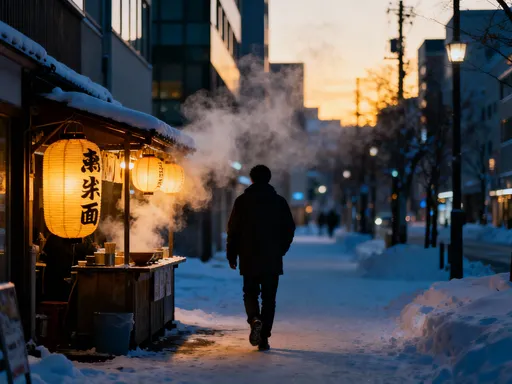
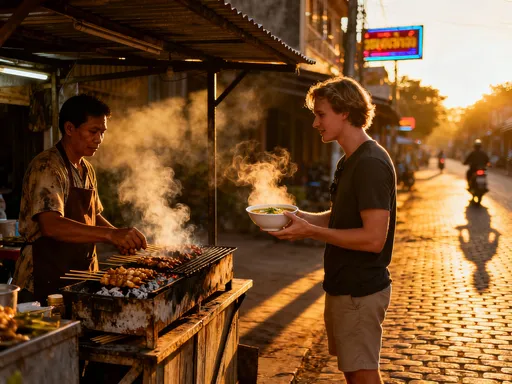
The best places to taste authentic miso ramen are the ramen alleys tucked beneath city streets, such as Ramen Yokocho in Susukino. These narrow lanes, lit by red lanterns, host dozens of small stalls where chefs work behind counters, crafting bowls with precision and care. The experience is immersive—the clatter of bowls, the steam rising from pots, the quiet concentration of diners—turning a simple meal into a cultural ritual.
Equally essential is a visit to Nijo Market, Sapporo’s seafood heart. Open since the early 20th century, the market buzzes with activity from dawn, as fishermen unload the day’s catch. Stalls display glistening uni (sea urchin), sweet crab, salmon roe, and fresh scallops, many available for immediate tasting or grilling. Visitors can enjoy a breakfast bowl of donburi topped with raw seafood or sip miso soup made with local kelp. The market is not just a food destination but a testament to Hokkaido’s maritime heritage and sustainable fishing practices.
Dairy also plays a starring role. Hokkaido produces over half of Japan’s milk, and its creamy ice cream, butter, and soft-serve are legendary. Local cafes serve parfaits layered with fresh fruit and homemade custard, while bakeries offer melon pan and cheese tarts that have gained national fame. Even the city’s craft beer scene draws on pure Hokkaido water and locally grown hops. In every bite, travelers taste the land itself—fertile soil, cold seas, and clean air—preserved through generations of care and innovation.
Design, Architecture, and Urban Culture
Sapporo’s cityscape tells a story of thoughtful planning and cultural layering. From its broad avenues to its green belts, the city was designed to be both functional and livable. This Meiji-era vision continues to influence its development, allowing space for both growth and preservation. One of the best places to understand this balance is the Historic Village of Hokkaido, an open-air museum on the outskirts of the city. Here, over fifty preserved and reconstructed buildings—from farmhouses to post offices—offer a glimpse into daily life from the 1870s to the 1950s. Walking its paths feels like stepping into a quieter, simpler time, where craftsmanship and community defined existence.
In contrast, the Sapporo Factory, a redevelopment of a former beer brewery, exemplifies how the city honors its past while embracing modernity. The site retains original brick structures and industrial elements, now housing shops, restaurants, and cultural exhibits. It serves as a reminder that progress need not erase history, but can reinterpret it. Public art installations, seasonal markets, and live performances animate the space, making it a hub of urban culture.
The city’s architectural diversity extends to neighborhoods like Susukino, known for nightlife but also home to cultural venues like the Hokkaido Performing Arts Center. While moderation is advised due to its commercial energy, Susukino reflects another facet of Sapporo’s identity—a city that values both tradition and contemporary expression. Street art, fashion boutiques, and jazz bars coexist with centuries-old customs, illustrating a dynamic cultural ecosystem.
Even the subway system reflects cultural care, with stations featuring artwork from local artists and seasonal floral displays. Parks like Maruyama and Moerenuma are not afterthoughts but central to urban life, offering spaces for contemplation, play, and community events. Sapporo’s design philosophy—rooted in accessibility, beauty, and respect for nature—enhances the cultural experience, proving that how a city is built shapes how it is felt.
Why Sapporo’s Culture Stays With You
Sapporo is not a city you simply visit—you carry it with you. Its culture does not shout for attention; it whispers in quiet moments: the steam rising from a ramen bowl, the hush inside a snow-covered shrine, the hand-carved pattern on an Ainu prayer stick. What lingers is not the checklist of sights, but the feeling of connection—to people, to place, to tradition lived with dignity and warmth.
Travelers who take the time to slow down, to listen more than photograph, to taste with curiosity rather than haste, discover that Sapporo offers something rare: authenticity without performance. It is a city where culture is not preserved behind glass, but woven into daily life. Whether through a shared meal, a seasonal festival, or a moment of stillness in a forested park, visitors become part of a living story.
More than a destination, Sapporo is an invitation—to understand Japan beyond its well-trodden paths, to appreciate the quiet strength of indigenous resilience, and to witness how a city can grow without losing its soul. In a world of fast travel and fleeting impressions, Sapporo reminds us that the deepest journeys are not measured in miles, but in moments of meaning. So come not just to see, but to feel. Explore not just the streets, but the spirit. Let Sapporo’s soul leave its quiet mark on yours.