You Gotta Taste This: Cebu’s Best-Kept Food Secrets While Shopping Local
Shopping in Cebu isn’t just about souvenirs and street markets—it’s a full sensory journey, especially for food lovers. I never expected to discover such rich flavors hidden in plain sight: from sizzling street grills to family-run eateries tucked between shops. The moment I bit into a warm lechon belly or sipped fresh mango shakes by a sidewalk stall, I knew this was more than retail therapy. Cebu’s true soul lies in its vibrant food culture, perfectly woven into its shopping scenes. Here, commerce and cuisine are inseparable—every alleyway market, every modern mall corridor offers not just goods, but tastes that linger long after the trip ends. This is where everyday life unfolds in flavor, color, and community.
The Heartbeat of Cebu: Where Shopping Meets Street Food
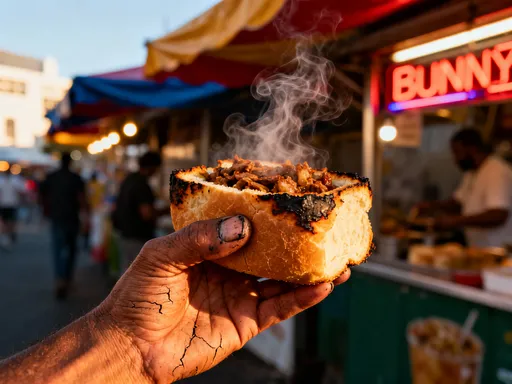
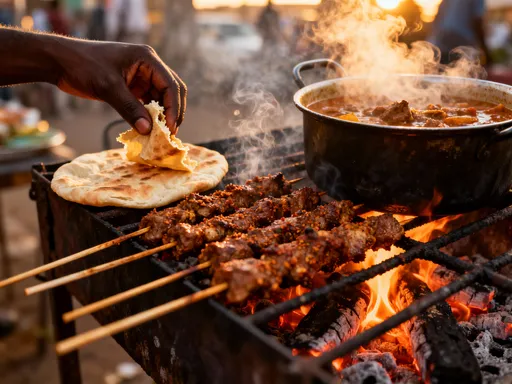
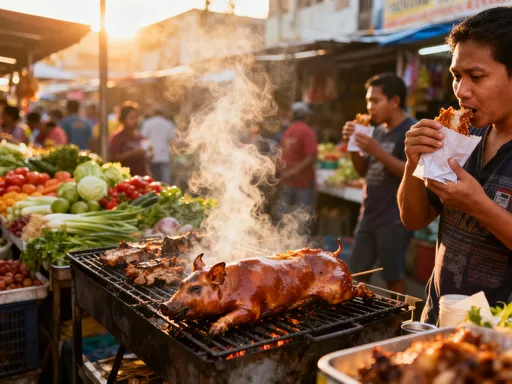
Cebu City’s markets are not merely places to buy; they are living, breathing centers of culture, where the rhythm of daily life pulses strongest in the early morning hours. At Carbon Market—the island’s oldest and most iconic trading hub—vendors arrange pyramids of tropical fruit while smoke curls from grills cooking inasal chicken and skewered pork. The scent of garlic, vinegar, and roasted meat drifts through the air, mingling with the sweetness of ripe mangoes and the earthy aroma of dried fish. This is where Cebuanos come not only to shop but to eat, socialize, and preserve traditions passed down through generations.
What sets Carbon Market apart is its seamless integration of food and commerce. A single aisle might host a spice seller beside a woman frying banana cue over charcoal, then a butcher offering samples of freshly sliced longganisa. Shoppers pause between purchases to sip warm tsokolate from clay cups or bite into a steaming pandesal stuffed with egg and cheese. These interactions aren’t incidental—they’re intentional. Food here isn’t an afterthought; it fuels the market’s energy, turning every visit into a culinary adventure.
The experience is both chaotic and comforting. Roosters crow in the live poultry section while grandmothers haggle over prices of dried squid. Children dart between stalls clutching paper cones of chicharon, their faces lit with delight. Yet beneath the noise lies a quiet order: vendors know their customers by name, and regulars get served before they even speak. This sense of belonging transforms shopping from transactional to relational. For visitors, it offers an authentic window into Cebuano life—one that can’t be replicated in sterile supermarkets or tourist-only zones.
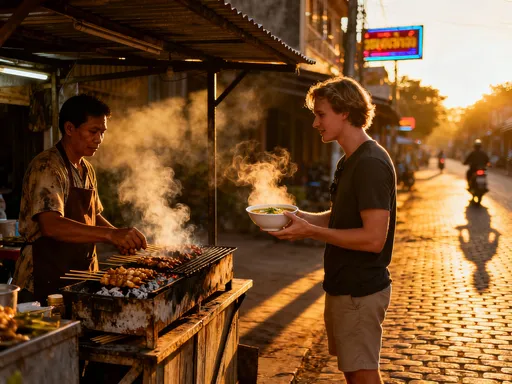
To truly appreciate this fusion, travelers should arrive early, preferably before 9 a.m., when the heat hasn’t yet risen and the freshest ingredients are on display. Wearing comfortable shoes and carrying a small bag for purchases helps navigate the narrow lanes. Most importantly, come hungry. Let your nose guide you. A sizzling sound might lead to a hidden stall selling tocino-glazed pork skewers; a cluster of locals could signal the best puto maya (glutinous rice with coconut milk) in the city. In Carbon Market, every sense is engaged, and every bite tells a story.
Lechon Legacy: Why Cebu Reigns Supreme
No discussion of Cebu’s food culture is complete without honoring its crown jewel: lechon. Renowned across the Philippines and beyond, Cebu-style roasted pig is a culinary masterpiece defined by its crackling skin, succulent meat, and subtle herbal infusion. Unlike other regional versions, Cebu’s lechon is stuffed with lemongrass, tanglad, and spices that perfume the meat from within, creating a depth of flavor unmatched elsewhere. The skin, roasted over slow-burning wood coals, turns golden and shatters like glass at the touch of a fork.
While lechon can be found throughout the island, discerning travelers know that authenticity lies in the details. True Cebu lechon is never overly greasy or bland. Its aroma should be inviting—smoky with hints of citrus and spice—and the meat should pull apart easily, moist without being soggy. Some of the most respected vendors operate within or near shopping districts, catering to both locals celebrating milestones and tourists seeking the real deal. Names like R.C. Lembot or Zulueta may come up in conversation, but even lesser-known family-run roasters near Taboan Market deliver exceptional quality.
For shoppers, timing is key. Lechon is typically ready by mid-morning, so visiting between 10 a.m. and noon increases the chances of getting a fresh batch. Many vendors sell by the kilo, allowing buyers to choose specific parts—belly for richness, leg for tenderness, or head for adventurous eaters. Some offer small tasting portions, perfect for those hesitant to commit to a whole order. Pair it with a side of pinakurat sauce—a fiery blend of vinegar, soy, chili, and liver—for the full experience.
Avoiding tourist traps requires a bit of local insight. Overpriced stalls in heavily visited areas may boast large signs but lack the depth of flavor found in quieter corners. Instead, look for queues of Cebuanos—especially families or delivery drivers stopping by. These are reliable indicators of quality. Additionally, observe how the pig is handled: clean preparation, covered meat, and proper storage suggest hygiene and pride in craft. When in doubt, ask a nearby vendor for a recommendation; most are happy to point visitors toward the best roaster in the area.
Sweet Escapes: Mangoes, Tamales, and Native Delights
Cebu’s reputation for sweetness extends far beyond its people. The island is home to some of the sweetest mangoes in the world—juicy, fragrant, and deeply golden when ripe. Sold in clusters at market stalls or packed in eco-friendly boxes for souvenirs, these fruits are a must-try for any visitor. Unlike commercial varieties, Cebu mangoes have a rich, honey-like flavor with minimal fiber, making them ideal for eating fresh or blending into shakes and desserts.
Seasonality matters. Peak mango season runs from March to June, when orchards across southern Cebu yield abundant harvests. During this time, roadside stands overflow with boxes labeled “Carabao mango,” and juice bars feature mango in nearly every drink. Even outside peak season, vendors often stock frozen pulp or dried slices, preserving the taste year-round. For shoppers, choosing the best mangoes means looking for firmness with a slight give, a sweet fragrance at the stem, and a deep yellow hue without bruises.
Beyond mangoes, Cebu offers a range of traditional sweets that reflect its Spanish and indigenous roots. Kalamay, a sticky coconut caramel made from glutinous rice, brown sugar, and coconut milk, is often wrapped in banana leaves and sold in small portions. Its texture is dense and chewy, with a deep molasses-like flavor balanced by a hint of salt. Another favorite is masareal, a powdery peanut-based candy pressed into flat rounds. Originally from Bohol but widely available in Cebu, it dissolves on the tongue with a nutty sweetness that lingers pleasantly.
For those with a nostalgic palate, Cebu-style tamales offer a unique twist on the Latin American classic. Unlike corn-husk-wrapped versions, these are steamed in banana leaves and feature a soft, sweet rice cake surrounding a core of chicken or pork, often seasoned with annatto and coconut milk. Found in neighborhood bakeries or weekend markets, they make excellent gifts—portable, shelf-stable, and deeply comforting. Shoppers should look for vendors who prepare them fresh daily, as older batches can dry out quickly.
Hidden Eateries in Plain Sight: Off-the-Beaten-Path Bites
Some of Cebu’s most memorable meals happen in places you’d easily walk past. Tucked behind fabric stalls, wedged between shoe repair shops, or perched on concrete stools under faded awnings, these unassuming eateries—often called carinderias—serve some of the island’s most authentic dishes. Run by women in aprons who’ve cooked the same recipes for decades, they offer daily rotating menus based on what’s fresh and affordable.
One such gem might be a tiny counter in Colon Street, where a grandmother stirs a pot of goto—a rice porridge simmered with tripe and ginger—early every morning. For less than two dollars, customers receive a steaming bowl topped with fried garlic, green onions, and a squeeze of calamansi. It’s humble, restorative, and deeply flavorful. Another could be a noodle shop in a back alley near the public market, where mami (pork noodle soup) is served in oversized bowls with extra chashu-like meat, all made from a decades-old family recipe.
Spotting these places requires curiosity and a willingness to follow the locals. Often, the best indicators are simple: plastic stools lined up outside, a chalkboard menu in Cebuano, or a steady stream of office workers during lunchtime. These spots rarely advertise, relying instead on word-of-mouth and loyalty. They may lack air conditioning or printed napkins, but what they lack in comfort they make up for in soul.
For safety and hygiene, look for signs of freshness: food kept covered, utensils stored properly, and water served in sealed bottles or boiled. Many of these eateries now display basic health certifications, a sign of growing standards. Don’t hesitate to point or gesture if language is a barrier—most staff are patient and kind. And if you return the next day, you’ll likely be greeted by name, offered a preferred seat, or even served a complimentary side dish. That’s the Cebuano way: warm, generous, and rooted in connection.
Modern Malls with a Local Twist: Food Courts That Tell a Story
While traditional markets offer raw authenticity, Cebu’s modern malls provide a different kind of culinary journey—one where heritage meets convenience. At SM Seaside City, one of the largest shopping complexes in the Philippines, the food court isn’t just a collection of fast-food chains. Nestled among global brands are stalls serving lechon kawali, sinugba (grilled fish), and bibingka (rice cake baked in clay pots). These vendors bring regional flavors into air-conditioned comfort, making them ideal for families, seniors, or those needing a break from the tropical heat.
Ayala Center Cebu offers a similar blend. Its upper-level dining area features both contemporary cafes and homegrown concepts like “Carcar Lechon Belly” or “Lapu-Lapu’s Kitchen,” which specialize in city-specific dishes. Here, travelers can sample kinilaw (Cebuano ceviche made with fresh tuna, vinegar, and ginger) without braving the midday sun. Portions are neatly plated, service is efficient, and menus often include brief descriptions of each dish’s origin, adding an educational layer to the meal.
What makes these spaces valuable is their accessibility. Parents with strollers, travelers with luggage, or those with limited mobility can enjoy local cuisine in a safe, clean environment. Many stalls source ingredients from nearby provinces, supporting small farmers and fisherfolk. Some even display photos of their hometowns or family recipes on the wall, turning a simple meal into a cultural encounter.
Yet, these modern settings don’t dilute tradition—they adapt it. The flavors remain true, the preparations faithful. A plate of paksiw na isda at the mall tastes much like it would in a backyard kitchen, just served with a fork and napkin instead of bare hands. For visitors balancing comfort and authenticity, these food courts offer the best of both worlds: a chance to eat well, stay cool, and still taste the essence of Cebu.
Shopping Smart: How to Eat Well Without Overspending
One of the joys of eating in Cebu is that delicious food doesn’t have to be expensive. Street vendors and local eateries offer hearty meals for under five dollars, allowing travelers to sample widely without straining their budget. A full breakfast of tocino, garlic rice, and egg costs less than three dollars at most carinderias. Fresh fruit shakes—mango, banana, or avocado—range from one to two dollars and are often made to order with ice-cold water and no artificial syrups.
To maximize value, consider portion control. Many dishes are served family-style, so sharing is not only economical but also social. A single serving of lechon can feed two or three when paired with rice and a side dish. Likewise, buying fruit in bulk at markets often reduces the per-unit price. Vendors may offer discounts for half-kilos or full bags, especially toward the end of the day when they’re packing up.
Hygiene remains important, even on a budget. Look for stalls with high turnover—fresh food moves quickly, reducing spoilage risk. Vendors who use gloves or tongs when handling food, cover ingredients from flies, and keep their area tidy are more likely to follow safe practices. Bottled water or sealed drinks are preferable to open containers. If trying something new, start with a small portion to test both taste and tolerance.
Cash is still king in most local markets, so carrying small bills helps avoid change issues. Many vendors don’t accept cards, and digital payments, while growing, aren’t universal. Having exact change or coins for snacks like turon or chicharon makes transactions smoother. And remember: politeness goes a long way. A simple “palihug” (please) or “salamat” (thank you) in Cebuano earns smiles and sometimes even an extra scoop of rice.
From Market to Memory: Building a Flavor-Filled Itinerary
Planning a day that balances shopping and eating in Cebu can transform a routine trip into a deeply satisfying experience. Begin early at Carbon Market, arriving by 7:30 a.m. to beat the crowds and catch the freshest offerings. Start with a warm breakfast of longsilog (sweet pork with garlic rice and egg) at a trusted stall, then wander the produce section to pick up mangoes or native sweets.
By mid-morning, head to Taboan Market, known as the lechon capital of Cebu. Visit a top-rated roaster, purchase a portion to go, and either eat on-site or save it for later. From there, a short ride to Colon Street opens access to century-old shops, fabric vendors, and hidden carinderias serving regional specialties. Grab a midday snack of puto maya with hot chocolate before continuing to a modern mall like Ayala or SM Seaside.
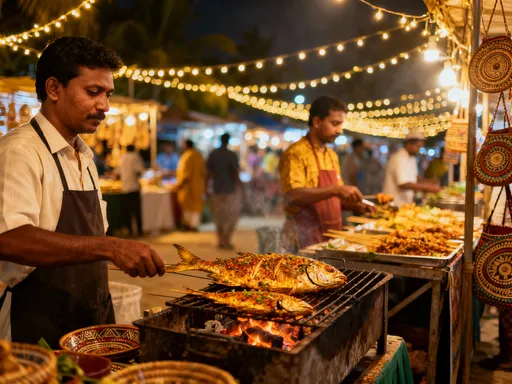
In the afternoon, explore mall-based food courts to sample dishes from other parts of the island. Try binignit (a sweet stew of root crops and banana) or ensaymada (buttery brioche topped with cheese) from specialty bakeries. Pair it with a locally roasted coffee for a relaxing break. As the sun sets, consider returning to a neighborhood market or seaside promenade where grilled seafood is cooked fresh on open flames.
This rhythm—starting traditional, moving to modern, ending with simplicity—mirrors Cebu’s own blend of old and new. It allows travelers to shop with purpose, eat with intention, and return home not just with bags of souvenirs, but with a heart full of memories. Each bite becomes a bookmark in the story of the trip, a flavor tied to a place, a person, a moment.
Cebu doesn’t separate shopping from eating—it celebrates them together. Every purchase tells a story, and every bite connects you deeper to the island’s spirit. By embracing both, travelers don’t just take souvenirs home—they carry flavors, memories, and a richer understanding of what makes Cebu truly unforgettable.