You Won’t Believe What I Found in Lucerne’s Hidden Corners
Lucerne isn’t just about postcard-perfect lakes and mountains—its shopping scene is a quiet revelation. I went searching for souvenirs and stumbled upon something far richer: local craftsmanship, alpine charm, and stores that feel like secrets whispered from one traveler to another. From boutique watchmakers to family-run wool shops, every find told a story. If you’re planning a trip, don’t just pass through—dig deeper. This is where the real Swiss soul lives, one handmade detail at a time.
Why Shopping in Lucerne Feels Different
Shopping in Lucerne is not merely a transaction; it’s an experience steeped in tradition, precision, and a deep respect for heritage. Unlike commercialized tourist hubs where souvenirs are mass-produced and indistinct, Lucerne’s retail culture thrives on authenticity. The city has long been associated with Swiss values of quality, reliability, and meticulous attention to detail—traits that extend seamlessly into its shops and boutiques. Whether you're browsing for a hand-carved wooden keepsake or a finely engineered timepiece, what you encounter reflects generations of craftsmanship passed down through families and guilds.
This authenticity is rooted in Lucerne’s historical role as a crossroads of trade and culture in central Switzerland. Nestled beside the serene waters of Lake Lucerne and framed by the towering Alps, the city has long attracted travelers, artists, and artisans. Over centuries, this convergence nurtured a retail environment where beauty and function coexist. Locals take pride in what they sell, often producing goods themselves or sourcing directly from regional makers. As a result, shopping here becomes a form of cultural engagement—each purchase connects you to a broader narrative of Swiss life, seasonal rhythms, and artisanal dedication.
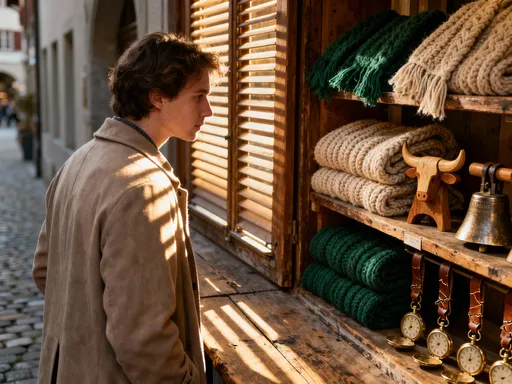
What sets Lucerne apart is the absence of aggressive marketing or flashy storefronts. Instead, shops invite with understated elegance: polished wood displays, neatly folded woolen scarves, and glass cases showcasing watches that tick with quiet precision. There’s no need for loud advertisements when the quality speaks for itself. For the mindful traveler—particularly those who value substance over spectacle—this approach is refreshing. It allows space to slow down, observe, and appreciate the care behind each item. In a world increasingly dominated by fast fashion and disposable goods, Lucerne offers a counterpoint: shopping as a thoughtful, meaningful act.
Navigating the Old Town: Where to Start
The heart of any meaningful shopping journey in Lucerne begins in its beautifully preserved Old Town, a maze of cobblestone streets and medieval architecture that feels like stepping into a living postcard. The compact layout makes it ideal for exploration on foot, allowing visitors to wander without fatigue while encountering delightful surprises around every corner. Colorful facades with frescoed walls line narrow lanes, and flower boxes burst with seasonal blooms, adding charm to the already picturesque setting. At the center of it all stands the iconic Kapellbrücke, the covered wooden bridge that spans the Reuss River—a landmark that not only defines the city’s skyline but also serves as a natural starting point for your shopping adventure.
Begin your walk along Kauffmannsgasse, one of the oldest commercial streets in Lucerne, where small boutiques and specialty stores have operated for decades. Its name, which translates to “Merchants’ Lane,” hints at its historic role as a hub of trade. Here, you’ll find everything from curated bookshops to apothecaries selling herbal remedies made from alpine plants. A short turn onto Hirschengasse leads you to another charming stretch lined with family-owned shops offering handmade chocolates, locally woven textiles, and delicate porcelain. These streets are not designed for chain retailers; instead, they favor independent businesses that contribute to the city’s unique character.
What makes navigating the Old Town so rewarding is the ease with which discovery unfolds. There’s no need for detailed maps or guided tours—simply follow the flow of foot traffic, pause at open doorways, and allow curiosity to guide you. Many of the most memorable finds lie just off the main thoroughfares, tucked into quiet courtyards or hidden above staircases. Shop windows are thoughtfully arranged, often featuring seasonal displays that reflect the rhythm of Swiss life—wooden nutcrackers in winter, fresh wildflowers in spring, dried herbs in autumn. Each detail invites closer inspection, transforming a casual stroll into a sensory-rich exploration.
Hidden Gems: Small Boutiques Off the Beaten Path
Beyond the well-trodden paths of Lucerne’s central squares lie hidden boutiques that offer some of the most authentic shopping experiences in the city. These are not the glossy storefronts catering to cruise ship crowds, but modest, often family-run establishments where passion and personal touch define the customer experience. Tucked away in side alleys or nestled within historic buildings, these shops specialize in handmade goods that embody the spirit of Swiss craftsmanship. From hand-knit wool scarves dyed with natural pigments to intricately carved wooden ornaments made from sustainably harvested pine, each item carries a story worth hearing.
One such gem is a small wool shop on a quiet lane near the Jesuit Church, where a mother-daughter duo has been weaving and selling alpaca and merino wool products for over thirty years. Their scarves, gloves, and blankets are crafted in-house using traditional looms, and the warmth they provide is matched only by the warmth of their welcome. Customers are invited to sit, sip herbal tea, and learn about the sourcing of fibers from local farms in the surrounding valleys. Another standout is a tiny woodcarving studio near the Musegg Wall, where an elderly craftsman spends his days shaping intricate figurines of mountain goats, chalets, and folk dancers. His hands move with practiced ease, each piece carved from a single block of linden wood, sanded smooth, and finished with a light coat of beeswax.
These intimate interactions elevate shopping from a simple exchange to a moment of human connection. Shopkeepers often share personal anecdotes—how a particular pattern was inspired by their grandmother’s knitting, or how a herbal balm recipe has been used in their family for generations. Such moments create lasting memories far more valuable than any souvenir. For travelers seeking authenticity, these off-the-beaten-path boutiques offer a rare opportunity to support local artisans directly and bring home something truly unique. They remind us that the best discoveries are often unplanned, born not from itineraries but from openness to serendipity.
The Watch Lover’s Trail: Swiss Precision on Display
No discussion of Lucerne’s shopping culture would be complete without acknowledging its deep ties to Switzerland’s world-renowned watchmaking tradition. As a city that values precision, elegance, and enduring quality, Lucerne serves as a natural showcase for both legendary brands and independent horologists. While Geneva and La Chaux-de-Fonds may be more famous for their watch factories, Lucerne offers an accessible and immersive way to experience Swiss timekeeping artistry—particularly for travelers who appreciate craftsmanship but may feel intimidated by the formality of high-end salons elsewhere.
Start with the authorized dealers located along Bahnhofstrasse and within the Old Town, where global names like Rolex, Patek Philippe, and Tissot maintain elegant showrooms. These stores are more than retail spaces—they are galleries of engineering and design. Inside, timepieces are displayed under soft lighting, their movements visible through transparent case backs. Knowledgeable staff, often certified watch consultants, provide insights into complications, chronographs, and the differences between automatic and manual winding mechanisms. Yet, despite the luxury branding, there is no pressure to purchase. Many visitors simply enjoy examining the intricate details, marveling at how something so small can contain such complexity.
For a more personal experience, seek out independent ateliers and family-owned watchmakers who operate in smaller workshops. These artisans may not carry internationally recognized names, but their expertise is undeniable. Some specialize in restoring vintage timepieces, carefully disassembling and cleaning gears that have ticked for decades. Others create limited-edition pieces, hand-assembling components with tools passed down through generations. Visiting such a workshop offers a rare glimpse into the quiet dedication behind each watch—hours of meticulous work, magnifying lenses, and the soft ticking of clocks marking time in the background. It’s a humbling reminder that true luxury lies not in price tags, but in patience, skill, and a commitment to excellence.
Local Markets: Fresh, Seasonal, and Authentic
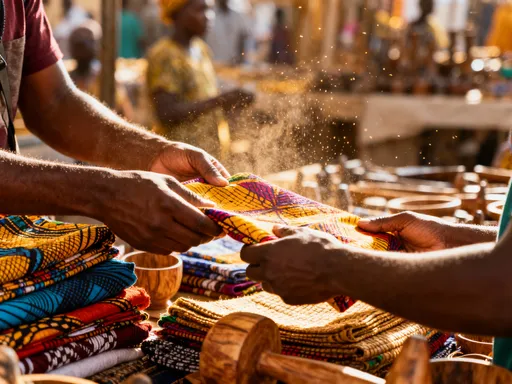
While boutique shopping reveals Lucerne’s artisanal soul, its local markets offer a vibrant window into everyday Swiss life. The Wochenmarkt am Kornmarkt, held every Tuesday and Saturday morning along the lakeside promenade, is a feast for the senses and a favorite among residents and discerning travelers alike. Under rows of white market tents, vendors display seasonal produce, fresh cheeses, baked goods, and regional specialties that reflect the agricultural richness of central Switzerland. This is not a tourist-market imitation; it is a living marketplace where locals come to shop, chat, and savor the flavors of their homeland.
Strolling through the market, you’ll encounter wheels of creamy Appenzeller and nutty Gruyère, loaves of dark rye bread studded with sunflower seeds, and jars of honey harvested from alpine meadows. Stalls overflow with crisp apples, earthy mushrooms, and bunches of fresh herbs tied with twine. One vendor might offer samples of organic pear compote, while another slices thin pieces of air-dried beef—Bündnerfleisch—for tasting. These edible souvenirs are not only delicious but also deeply connected to the region’s culinary traditions. They represent a way of eating that values seasonality, sustainability, and quality over convenience.
For travelers, the market presents an opportunity to engage with local producers, many of whom grow or make everything they sell. Conversations often begin with a simple “Guten Morgen” and may lead to tips on how to prepare a particular cheese or which herbs pair best with game dishes. Even if your German is limited, the warmth of these interactions transcends language. Moreover, shopping at the market supports small-scale farmers and food artisans, contributing to the preservation of traditional practices in the face of industrialization. Whether you leave with a paper bag of tart green apples, a wedge of aged cheese wrapped in parchment, or a loaf still warm from the oven, you carry home more than food—you carry a taste of Lucerne’s daily rhythm.
What to Buy (and What to Skip)
With so many options, knowing what to buy—and what to avoid—can make all the difference in creating a meaningful shopping experience. The most rewarding purchases in Lucerne are those that reflect genuine Swiss craftsmanship and regional identity. High-quality wool items, such as hand-knit socks or alpaca-blend shawls, are excellent choices. They are warm, durable, and often made by local artisans using natural dyes and traditional techniques. Similarly, medicinal herbal balms and salves, formulated with alpine plants like arnica and edelweiss, make thoughtful gifts for loved ones back home. These products are rooted in centuries-old folk remedies and are still widely used by Swiss families for muscle relief and skin care.
Swiss chocolate, of course, needs no introduction—but the best finds come from small, independent chocolatiers rather than generic kiosks. Look for shops where chocolate is made on-site, with beans sourced from ethical producers and flavors inspired by local ingredients—think honey-almond, alpine milk, or even a hint of kirsch. These artisanal creations offer a depth of flavor that mass-produced bars simply cannot match. Another standout category is wooden goods, particularly those carved by hand. Whether it’s a simple spoon, a music box with a rotating figurine, or a decorative cuckoo clock, these items carry the warmth and texture of the alpine forests from which they come.
On the other hand, it’s wise to avoid the trinkets sold near major landmarks like the Lion Monument or along the busiest sections of the lakeside promenade. These areas tend to feature overpriced, mass-produced souvenirs—plastic edelweiss pins, generic keychains, and watches with counterfeit branding. While they may seem convenient, they lack authenticity and often contribute little to the local economy. Instead of settling for these generic items, take the time to explore further. The most memorable souvenirs are rarely found in the most obvious places. They are discovered in quiet shops, at market stalls, or in conversations with makers who pour their hearts into their work.
Shopping Tips for a Smoother Experience
To make the most of your shopping journey in Lucerne, a few practical tips can enhance both comfort and confidence. Begin by planning your visits for weekday mornings, when shops are less crowded and staff have more time to engage in conversation. Many boutiques close for lunch between 12:00 and 1:30 p.m., so schedule accordingly. Markets like the Wochenmarkt are best experienced early in the morning, when produce is freshest and vendors are most relaxed.
While Swiss Francs are the official currency, most shops and markets accept major credit cards, including contactless payments. However, it’s still advisable to carry some cash, especially for small purchases at market stalls or in rural craft shops. Language is rarely a barrier—German is the primary language, but English is widely spoken in tourist areas, and many shopkeepers also understand French and Italian. A simple “Grüezi” (hello) or “Merci” (thank you) can go a long way in building rapport.
Be aware that Switzerland is not part of the European Union, but non-EU travelers are eligible for VAT refunds on qualifying purchases. Look for the “Tax-Free Shopping” sticker in store windows and request a refund form at the time of purchase. Keep your receipts and present them at the airport before departure. Additionally, pay attention to seasonal sales—typically in January and July—when you may find discounts on high-quality items without compromising authenticity.
Finally, approach shopping with mindfulness and respect. Avoid touching delicate items without permission, and don’t feel pressured to buy simply because someone offers assistance. Many Swiss shopkeepers value quiet dignity over aggressive sales tactics. If you’re unsure about something, ask—most are happy to explain the origin of a product or demonstrate how it’s made. And whenever possible, choose sustainable, locally made goods over imported or disposable alternatives. In doing so, you honor both the culture and the environment that make Lucerne so special.
Conclusion
Shopping in Lucerne is far more than a way to fill a suitcase—it’s a pathway to understanding the heart of Swiss culture. The best souvenirs are not those that simply remind you of a place, but those that connect you to its people, its traditions, and its quiet rhythms. In a small wool shop, a handmade scarf becomes a symbol of warmth passed from one generation to the next. In a quiet watchmaker’s studio, a timepiece embodies centuries of precision and patience. At the market, a wedge of cheese tells a story of alpine pastures and careful aging.
For the thoughtful traveler, Lucerne invites a slower, more intentional way of exploring. It asks you to look beyond the obvious, to step off the main streets, and to listen to the stories behind the goods. It rewards curiosity, respect, and a willingness to engage. So when you visit, don’t rush. Let your shopping be a journey of discovery—one that deepens your connection to this beautiful city and leaves you with more than just mementos, but with meaning.