You’ve Never Tasted Tanzania Until You’ve Eaten Here
If you think you know Tanzanian food, think again. Beyond safaris and savannas, Arusha hides a food scene that’s rich, bold, and deeply authentic. I’m talking slow-cooked stews, smoky grilled meats, and flatbreads fresh off the griddle. This isn’t tourist fare — it’s what locals eat when they want comfort, flavor, and soul. Let me take you where the real meals happen.
Arusha’s Food Soul: More Than Just a Safari Stop
Arusha is often seen as a transit point — a launching pad for safaris into the Serengeti, a basecamp before ascending Mount Meru, or a brief stopover before Ngorongoro Crater. Yet beneath its utilitarian reputation lies a vibrant culinary identity shaped by geography, history, and culture. Nestled at the foothills of Mount Meru and serving as a crossroads between the northern safari circuit and bustling trade routes, Arusha has long been a meeting place for diverse communities. This convergence is most vividly expressed not in its markets or music, but on its plates.
The city’s food culture reflects centuries of exchange. The Maasai, indigenous pastoralists known for their red shukas and deep-rooted traditions, contribute grilled meats and fermented milk dishes. Coastal Swahili influences bring aromatic rice, coconut stews, and spice-infused cooking techniques carried inland over generations. Centuries of Indian Ocean trade introduced Indian and Arab flavors — cumin, cardamom, turmeric, and cloves — now seamlessly woven into everyday meals. These aren’t isolated culinary threads; they’re interwoven into a single, dynamic tapestry that defines Arusha’s kitchen rhythm.
Yet for many travelers, this dimension remains invisible. They arrive in the morning, check into a lodge, book a jeep tour, and leave by sunset — missing the slow simmer of *mchuzi wa kukaanga*, the sizzle of goat meat over charcoal, the warm handshake of a vendor offering a freshly fried *sambusa*. To eat in Arusha is to step beyond the postcard version of Tanzania and into its living, breathing heart. It’s where culture isn’t performed — it’s prepared, shared, and savored.
The Hidden Eateries Only Locals Know
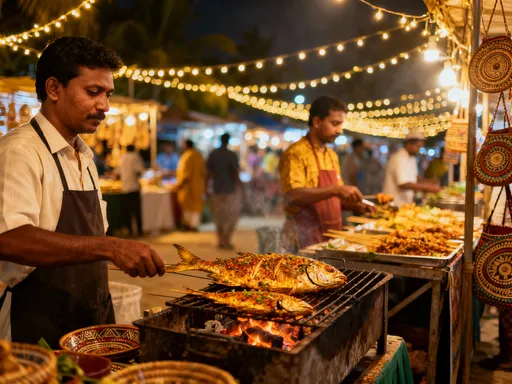
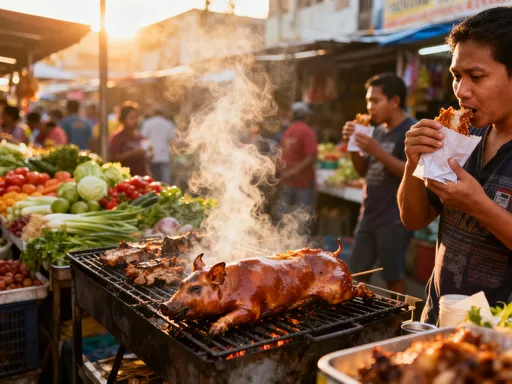
The most authentic meals in Arusha aren’t found in glossy restaurants with laminated menus or Wi-Fi codes on the wall. They’re served at unmarked stalls tucked behind gas stations, in open-air courtyards lit by string lights, and along dusty side streets where the scent of roasting meat leads you like a compass. These are the places where locals gather after work, where drivers park their minibuses for a quick bite, and where families celebrate small victories with a plate of hot *nyama choma* and a shared soda.
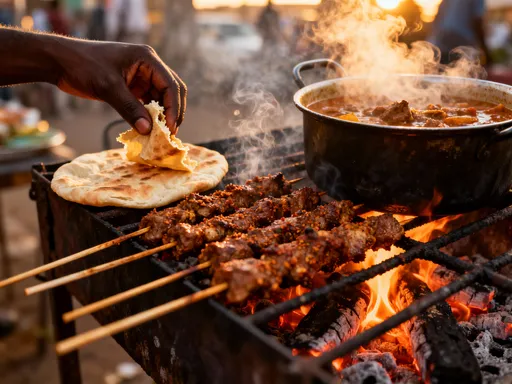
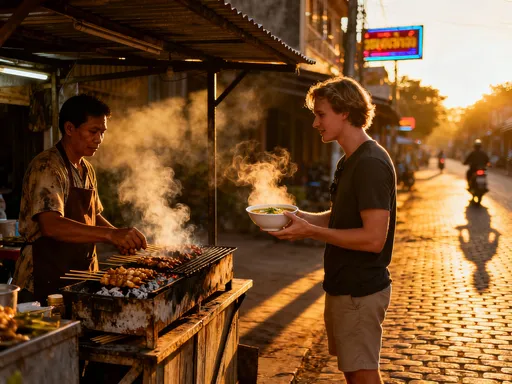
One such spot, known only by word of mouth, sits just off Sokoine Road, near a bustling produce market. There’s no sign, no seating — just a corrugated metal awning, a charcoal grill the size of a coffee table, and a man named Juma who has been turning skewers for over twenty years. His *mishkaki* — marinated beef cubes threaded onto iron rods — are basted with a mix of oil, garlic, and secret spices passed down from his father. The meat is tender, slightly charred at the edges, and served with a wedge of lime and a side of *kachumbari*. No frills, no waitlist — just flavor that hits deep and fast.
Another favorite is a family-run kitchen behind a residential compound near Kaloleni. You won’t find it on maps, but follow the laughter and the smell of cumin, and you’ll arrive at a long wooden table already half-filled with neighbors. The owner, Mama Neema, cooks from 5 p.m. until her pots run dry. Her *pilau* — spiced rice cooked with beef, cinnamon, and cloves — is legendary. She serves it with a side of *mchicha*, a leafy green stew simmered with tomatoes and onions. Diners eat with their hands, wiping their fingers on shared cloths, chatting across the table like old friends.
Finding these places requires a shift in mindset. Forget apps and online reviews. Instead, watch where locals go. Ask your driver where he eats lunch. Follow the crowds at dusk. Trust the vendor who offers you a taste before you order. These are the quiet signals of authenticity. And while they may lack addresses or websites, they possess something far more valuable: trust, tradition, and taste that can’t be faked.
What’s on the Plate? Signature Dishes You Can’t Miss
To understand Arusha through food is to know its core dishes — not as menu items, but as daily rituals. Each one tells a story of resilience, resourcefulness, and celebration. The first bite of *nyama choma*, for example, is more than a meal — it’s a cultural event. Literally meaning “grilled meat,” this dish usually features goat, though beef and chicken are common. The meat is slow-roasted over charcoal until the fat renders and the skin crisps, then served with a simple side of *ugali* — a dense, polenta-like maize porridge — and *sukuma wiki*, a sautéed collard green dish whose name means “stretch the week,” a nod to its role in making meals last.
Equally essential is *pilau*, a rice dish that reveals the Indian Ocean’s culinary legacy. Unlike plain rice, *pilau* is deeply spiced — cinnamon, cardamom, black pepper, and cloves infuse each grain as it cooks in meat broth and coconut milk. The result is fragrant, slightly sweet, and deeply satisfying. It’s often served during celebrations, but also appears on ordinary days in working-class neighborhoods, where its richness brings comfort without extravagance.
Then there’s *mishkaki*, the street food staple that fuels evenings across the city. These skewers of marinated meat — usually beef or goat — are grilled over open flames, the smoke carrying their scent for blocks. The marinade varies by vendor but typically includes lemon juice, garlic, chili, and a touch of brown sugar. Eaten with fingers, often standing up, *mishkaki* are best paired with a cold soda or a cup of strong *chai ya kwanza*, the first tea of the day brewed with milk and ginger.
No meal is complete without *kachumbari*, a fresh tomato and onion salad dressed with lime juice and cilantro. Its brightness cuts through the richness of grilled meats and spiced rice, balancing the palate with crisp acidity. Served in a reused plastic container or a chipped bowl, it’s humble in presentation but vital in function. Together, these dishes form a rhythm: the heat of the grill, the warmth of the stew, the coolness of the salad, the steady sip of tea. It’s a meal not rushed, but respected.
The Flavors Behind the Food: Spices, Techniques, and Traditions
The soul of Arusha’s cuisine lies not just in what is eaten, but in how it is made. Cooking here is an act of memory, passed down through generations without written recipes. Mothers teach daughters by standing beside them at the stove, showing how to judge the doneness of *ugali* by its pull, how to balance spices by smell, how to know when the *nyama choma* is ready by the sound of the sizzle.
Key spices form the backbone of flavor. Cumin and coriander bring earthiness to stews and rice. Cardamom and cloves lend warmth to *pilau* and sweet breads. Garlic and ginger are used generously, often pounded into pastes with fresh chilies. Coconut milk, especially in coastal-influenced dishes, adds creaminess and depth. These aren’t measured in teaspoons — they’re added by instinct, adjusted to taste, layered over time.
Cooking methods are equally traditional. Open-fire grilling remains the preferred way to prepare meat, especially in *nyama choma* spots where the charcoal imparts a smoky essence no gas flame can replicate. Slow simmering in *degalis* — heavy cast-iron pots — allows stews to develop complexity over hours. Some dishes, like banana leaf-wrapped fish or chicken, are steamed over boiling water, preserving moisture and aroma. Even the way food is served — on shared platters, eaten with the right hand — reflects a communal philosophy where meals are not solitary acts, but social bonds.
These traditions aren’t preserved in museums — they live in backyards, market kitchens, and roadside grills. A wedding might feature a whole goat roasted over a pit. A funeral gathering could include dozens of pots of *ugali* and stew. Even a simple Tuesday dinner might begin with a prayer of thanks before the first bite. Food here is never just fuel; it’s a language of care, continuity, and connection.
Where to Eat: Trusted Spots Without the Tourist Markup
For travelers seeking authenticity without risk, there are accessible, well-regarded places where locals and visitors meet over shared plates. One standout is a *nyama choma* spot near the Clock Tower, a landmark in central Arusha. Known simply as “Jengo,” short for “structure” after the nearby building, it’s a no-frills open-air grill with plastic chairs and a menu scribbled on a chalkboard. The goat meat is tender, the *ugali* perfectly firm, and the *kachumbari* so fresh it tastes like it was chopped minutes ago. Best to arrive before 7 p.m. — once the evening rush hits, the meat often sells out.
Another reliable choice is Shahroz, a family-run Indian-Tanzanian restaurant in the city center. The owners, a Tanzanian-Indian couple, blend biryani techniques with local ingredients, creating dishes like *kuku paka* — chicken stewed in coconut milk and curry spices — served with soft *chapati*. The dining room is clean, the service warm, and the prices fair. It’s popular with businesspeople and families alike, a sign of its broad appeal.
For something lighter, head to a small neighborhood joint near the Kaloleni market known for its *chipsi mayai* — a humble but beloved dish of French fries and eggs scrambled together, often seasoned with onions, tomatoes, and a pinch of chili. It’s the kind of meal students eat between classes, drivers grab during breaks, and couples share on evening walks. The version here is golden, crispy, and served on a paper plate with a wooden fork. No elegance, all heart.
What these places have in common is consistency, hygiene, and local patronage. They don’t market themselves as “authentic” — they just are. They don’t charge extra for foreigners. And they welcome respectful guests who come not to perform “adventure eating,” but to share in something real. A few tips: bring small bills (many places don’t carry change), go early to avoid crowds, and don’t be shy about asking what’s good today.
Beyond the Plate: Food as Connection
Some of the most meaningful moments in Arusha happen not at landmarks, but at tables. A shared meal with a Maasai guide after a long day on the savanna. A laugh exchanged with a market vendor over a dropped onion. An unexpected invitation to a family’s home for Sunday lunch. These aren’t staged experiences — they’re natural outcomes of breaking bread together.
One traveler recalled sitting at a *nyama choma* stall when an older man offered her a piece of grilled goat on a stick. “Try it,” he said in Swahili. She hesitated, then accepted. That small gesture led to an hour of conversation — about her journey, his grandchildren, the price of meat that week. By the end, she wasn’t just a visitor; she was a guest.
Another visitor, a nurse from Canada, was invited to a home in Moivaro after complimenting a woman’s *kanga* fabric. The family served *pilau*, *mchicha*, and mangoes from their tree. No English was spoken, but the warmth was universal. “I didn’t understand most of the words,” she said later, “but I understood the care in the food.”
These moments matter because they shift the traveler’s role — from observer to participant. Eating together builds trust. It slows down time. It opens doors that brochures and tours cannot. And long after the safari photos fade, it’s these memories — the taste of smoke, the sound of laughter, the feel of warm bread in hand — that remain.
How to Eat Like a Local: Practical Tips for Food Adventurers
Embracing Arusha’s food culture doesn’t require fluency in Swahili or a fearless stomach — just curiosity and respect. Start with practical steps. Carry small denominations of Tanzanian shillings; many street vendors can’t break large bills. Bring hand sanitizer or wet wipes — running water isn’t always available, though most reputable spots provide washing stations.
Learn a few key phrases. *“Ninataka…”* means “I want…” — useful when pointing at a dish. *“Bei gani?”* means “How much?” — helpful for avoiding misunderstandings. *“Asante”* (thank you) and *“Karibu”* (welcome) go a long way in building goodwill.
Watch what locals order. If a stall is crowded with workers on lunch break, it’s likely fresh and safe. Notice how food is stored — covered, away from flies, served hot. Avoid anything sitting in the sun for hours. When in doubt, stick to grilled meats, boiled foods, and fruits you can peel.
Be mindful of timing. Many of the best places open late afternoon and close by 9 p.m. Some sell out by 7. Arrive early, especially on weekends. And don’t expect a menu — point, smile, and let the vendor guide you.
Most importantly, shed the idea that “authentic” means uncomfortable or extreme. Real food culture isn’t about shock value — it’s about shared humanity. You don’t need to eat something just because it’s unusual. Eat what feels right, with gratitude and openness. And remember: the goal isn’t to conquer a checklist of dishes, but to connect through them.
Finally, avoid overpriced “cultural dining experiences” marketed to tourists. These often lack the soul of the real thing. Instead, follow the smoke, follow the laughter, follow the people. That’s where the truth of the table lives.
Arusha’s true spirit doesn’t roar — it simmers. The city’s heartbeat is in its kitchens, markets, and backyard grills, where food is more than fuel; it’s heritage, hospitality, and joy. By stepping off the tourist trail and into the smoke and spice, you don’t just eat well — you connect deeply. So next time you’re in Tanzania, don’t just pass through. Stay, sit down, and taste the real East Africa.