You Won’t Believe These Hidden Natural Gems in Sydney
Nestled between iconic cityscapes and golden beaches, Sydney’s natural wonders often fly under the radar. But trust me, the real magic lies beyond the Opera House and Harbour Bridge. From misty rainforest trails to secret coastal lookouts, I’ve discovered breathtaking escapes where nature takes center stage. This isn’t just a city trip—it’s a wild, soul-refreshing adventure waiting to unfold. While millions flock to Circular Quay each year, fewer realize that within a 90-minute drive, ancient forests, dramatic escarpments, and pristine coastlines await. Sydney doesn’t just offer urban energy; it delivers profound natural beauty woven seamlessly into its metropolitan fabric. These hidden gems invite travelers to slow down, reconnect, and experience a different rhythm—one shaped by tides, eucalyptus breezes, and birdsong.
Why Sydney’s Natural Side Stands Out
Sydney occupies a rare category among global cities—few can claim such immediate access to vast, protected wilderness areas. Unlike other major capitals where nature feels distant or fragmented, Sydney’s geography allows residents and visitors alike to transition from bustling streets to tranquil bushland in under an hour. This unique coexistence of urban life and wild landscapes is no accident. The city is framed by the Pacific Ocean to the east, the Hawkesbury River to the north, and the rugged Blue Mountains to the west. These natural boundaries have preserved large swaths of native vegetation, creating corridors of biodiversity that thrive alongside suburbs and business districts.
What sets Sydney apart is not just the proximity of its natural spaces, but their scale and diversity. More than half of the greater metropolitan area is covered in parkland, reserves, and national parks. This includes over 100 beaches, 300 kilometers of walking tracks, and ecosystems ranging from coastal heathlands to temperate rainforests. The integration of nature into daily life fosters a culture of outdoor activity—jogging along foreshores, picnicking in harborside parks, or kayaking through mangrove-lined creeks. For travelers, this means the opportunity to design a trip that balances cultural exploration with genuine immersion in the Australian environment.
The importance of incorporating natural retreats into a city itinerary cannot be overstated. Research consistently shows that time spent in green spaces reduces stress, improves mood, and enhances cognitive function. In a fast-paced travel schedule, these benefits are invaluable. A morning walk through a quiet forest trail can reset the mind as effectively as a full day’s rest. By stepping away from the usual tourist circuits, visitors gain a more holistic understanding of Sydney—not just as a cosmopolitan hub, but as a city deeply rooted in its natural surroundings. This balance transforms a standard vacation into a restorative journey, one that nourishes both body and spirit.
Blue Mountains: More Than Just a Day Trip
The Blue Mountains, located approximately 90 minutes west of Sydney’s central business district, are often marketed as a convenient day trip. While many tourists make the round-trip in a single afternoon, those who linger discover a region rich with layers of natural and cultural significance. Named for the distinctive blue haze created by sunlight refracting through microscopic oil droplets released by eucalyptus trees, this UNESCO World Heritage-listed area spans over one million hectares of sandstone plateaus, deep valleys, and ancient rock formations. It is not merely a scenic backdrop—it is a living, breathing ecosystem shaped by millions of years of geological change.
For travelers seeking authentic experiences beyond the crowded viewpoints at Echo Point or the Three Sisters, lesser-known trails offer solitude and stunning vistas. The Federal Pass Track, for example, descends from Echo Point down into the Jamison Valley, winding through lush fern gullies and past cascading waterfalls. Though moderately challenging due to steep staircases and uneven terrain, the path rewards hikers with uninterrupted views of Mount Solitary and the surrounding escarpment. Another excellent choice is the Prince Henry Cliff Walk, which stretches nearly 27 kilometers from Leura to Wentworth Falls. Sections of this trail can be enjoyed independently, making it accessible even for casual walkers.
To avoid the peak crowds that gather during midday, early morning visits are highly recommended. Arriving at sunrise transforms the landscape—mist curls through the valleys, sunlight glows on cliff faces, and birdlife becomes most active. The cooler temperatures also make for more comfortable hiking conditions. Public transport options include regular train services from Central Station to key towns like Katoomba and Leura, with well-marked walking tracks accessible directly from station exits. For a deeper experience, consider spending a night in a heritage guesthouse or eco-cabin to witness the mountains’ quieter, nocturnal rhythms.
Visitors should be mindful of seasonal variations. Autumn and spring offer the most stable weather, with mild temperatures and clear skies. Summer brings higher fire risk, so park alerts must be checked before any excursion. Winter mornings can be frosty, but the crisp air enhances visibility and creates dramatic contrasts between warm sunlight and cool shadows. Regardless of season, staying on designated paths protects fragile vegetation and minimizes erosion. The Blue Mountains are not just a destination—they are a sanctuary that deserves respect and care.
Royal National Park – Coastal Majesty at Its Finest
Established in 1879, Royal National Park holds the distinction of being Australia’s oldest national park and one of the earliest protected areas in the world. Located just an hour south of Sydney by car or train, it stretches across 151 square kilometers of coastal cliffs, eucalypt forests, and freshwater lagoons. At its heart lies the renowned Coast Track, a 26-kilometer hiking route that runs from Bundeena in the north to Otford in the south. This trail is widely regarded as one of the most scenic coastal walks in the country, offering panoramic ocean views, secluded beaches, and encounters with native wildlife.
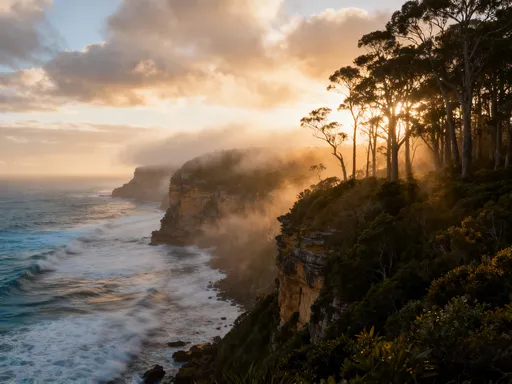
The journey along the Coast Track unfolds in distinct chapters. The northern section, beginning in Bundeena, passes through spotted gum forests and opens onto secluded coves like Maianbar and Little Marley Beach. As the trail progresses southward, the terrain becomes more dramatic—cliff-top paths give way to narrow ridgelines overlooking the Tasman Sea. Among the most photographed landmarks is Wedding Cake Rock, named for its striking white sandstone formation that resembles layers of frosting. While visually captivating, this area is cordoned off due to erosion risks, underscoring the need for visitor caution and environmental stewardship.
Another highlight is the Figure Eight Pools, tidal rock formations carved into the headland near Coal Cliff. These natural basins fill with seawater during high tide, creating mirror-like surfaces perfect for photography. However, accessing them requires careful timing and awareness of tidal patterns. Strong waves and slippery rocks pose real dangers, particularly during swell events. Rangers advise checking tide charts and visiting only during calm conditions, preferably with a companion. Signs throughout the park emphasize safety, reminding visitors that rescue operations in remote areas can take time.
Preparation is key for anyone planning to hike the full Coast Track or explore its standout features. Hikers should carry ample water, sun protection, sturdy footwear, and a detailed map or GPS device. While some sections pass near small settlements, others traverse isolated stretches with no facilities. Eco-friendly practices are essential—packing out all waste, avoiding single-use plastics, and refraining from feeding wildlife help preserve the park’s delicate balance. Royal National Park is not just a recreational space; it is a testament to early conservation efforts and a model for sustainable tourism in coastal environments.
Lane Cove and Ku-ring-gai: Urban Bushland You Can’t Miss
While the Blue Mountains and Royal National Park draw attention for their grandeur, Sydney’s northern suburbs harbor quieter yet equally enchanting natural spaces—Lane Cove National Park and Ku-ring-gai Chase National Park. Together, these areas form a green belt that snakes along waterways feeding into Sydney Harbour, offering accessible escapes for families, solo adventurers, and outdoor enthusiasts. What makes them remarkable is their seamless integration into the urban landscape. Despite being within 30 minutes of the CBD, they feel worlds away—a network of sandstone ridges, eucalypt forests, and meandering creeks teeming with birdlife and native flora.
Lane Cove National Park, centered around the Lane Cove River, is particularly well-suited for water-based recreation. Kayaking is a popular activity here, with rental services available at local marinas. Paddling upstream reveals a hidden dimension of Sydney—peaceful stretches of river flanked by towering angophoras and paperbarks, where kingfishers dart between branches and turtles sunbathe on logs. Designated picnic areas with barbecue facilities make it ideal for family outings, while marked walking trails like the Echidna Track provide gentle routes through open forest. Interpretive signage along the paths shares insights into Aboriginal heritage, including traditional uses of plants and the significance of rock engravings found throughout the area.
Ku-ring-gai Chase, larger and more rugged, offers a broader range of experiences. Its network of trails connects scenic lookouts, secluded beaches, and ancient Aboriginal sites. The Great North Walk passes through here, linking Sydney to Newcastle over 250 kilometers, but shorter segments are perfect for day hikes. The Bobbin Head area serves as a central access point, featuring a historic kiosk, boat ramp, and information center. From there, visitors can launch canoes into Cowan Creek, explore mangrove boardwalks, or follow forest paths to West Head for sweeping views of Pittwater and the Barrenjoey Peninsula.
These parks are especially valuable for those with limited time or mobility. Many trails are graded as easy to moderate, with clear signage and maintained surfaces. Facilities such as toilets, shelters, and drinking fountains enhance accessibility without compromising the sense of wilderness. School groups, fitness walkers, and retirees alike find these spaces welcoming. By preserving biodiversity close to residential areas, Lane Cove and Ku-ring-gai demonstrate how cities can coexist with nature in a way that benefits both ecosystems and communities. They remind us that adventure doesn’t always require long journeys—it can begin just beyond the backyard.
Northern Beaches – Where Surf Meets Serenity
The Northern Beaches region, stretching from Manly to Palm Beach, is often associated with surf culture and beachfront living. Yet beyond the well-known shores lies a network of trails and reserves that blend coastal energy with forest tranquility. This duality defines the area’s unique charm—where the roar of waves meets the whisper of wind through scribbly gums. For travelers seeking a balanced experience, combining beach relaxation with bush exploration offers the best of both worlds.
One of the most rewarding destinations is Barrenjoey Headland at the northern tip of Palm Beach. A moderately steep climb up stone steps leads to the historic Barrenjoey Lighthouse, built in 1881. From the summit, panoramic views unfold across Broken Bay, Lion Island, and the Pacific Ocean. On clear days, the silhouette of the Central Coast can be seen in the distance. The trail itself passes through coastal heathland, home to hardy plants adapted to salty winds and sandy soils. Wallabies are occasionally spotted at dawn, and peregrine falcons nest in the cliffs—a reminder of the area’s ecological richness.
Less frequented than Palm Beach, the interior sections of Ku-ring-gai Chase National Park extend into the Northern Beaches, offering longer hikes with immersive forest experiences. The Basin Track, leading to a sheltered picnic spot on Pittwater, is suitable for families and features calm waters for swimming. Other routes, such as the trails connecting Lovett Bay to Smiths Creek, allow for multi-day kayaking adventures with overnight camping at designated sites. These experiences provide a rare opportunity to sleep under the stars within easy reach of the city.
What makes the Northern Beaches special is the ease of combining activities. A morning swim can be followed by a bushwalk, then a picnic with locally sourced seafood. Cafes in Avalon and Whale Beach support this lifestyle, offering fresh produce and ocean views. Yet even amid growing popularity, pockets of solitude remain—quiet coves, unmarked paths, and forest clearings where the only sound is the rustle of leaves. By venturing beyond the sand, travelers uncover a deeper narrative of place, one shaped by geology, ecology, and centuries of human connection to land and sea.
Practical Tips for Exploring Sydney’s Wild Side
Planning a successful nature-based itinerary in Sydney requires more than just enthusiasm—it demands preparation. The city’s diverse ecosystems mean conditions can vary significantly depending on location, season, and weather. To ensure safety and enjoyment, travelers should begin by checking official park websites managed by the NSW National Parks and Wildlife Service. These platforms provide up-to-date information on track closures, fire bans, and wildlife alerts, which are especially important during the hotter months.
The best times to visit most natural areas are during autumn (March to May) and spring (September to November). Temperatures are mild, rainfall is moderate, and vegetation is at its most vibrant. Summer brings higher humidity and increased bushfire risk, particularly in inland areas like the Blue Mountains. Winter days are cooler but often sunny, making them ideal for longer hikes—just be prepared for colder mornings and shorter daylight hours.
Packing the right gear enhances both comfort and safety. Essential items include sturdy walking shoes with good grip, a wide-brimmed hat, sunscreen, and at least two liters of water per person for full-day hikes. A lightweight rain jacket is advisable, as coastal areas can experience sudden showers. For navigation, downloading offline maps via apps like AllTrails or Gaia GPS is recommended, as mobile signal can be unreliable in remote zones. Physical maps and compasses remain valuable backups.
Equally important is adopting responsible outdoor ethics. The Leave No Trace principles—plan ahead, travel on durable surfaces, dispose of waste properly, leave what you find, minimize campfire impact, respect wildlife, and be considerate of others—should guide every visit. Feeding animals disrupts their natural behavior and can lead to dependency. Staying on marked trails prevents soil erosion and protects native plants. Respecting signage, especially in sensitive areas like Wedding Cake Rock or Figure Eight Pools, ensures personal safety and environmental preservation. When followed collectively, these practices help maintain Sydney’s natural spaces for future generations.
Reconnecting with Nature: Why It Matters on Your Journey
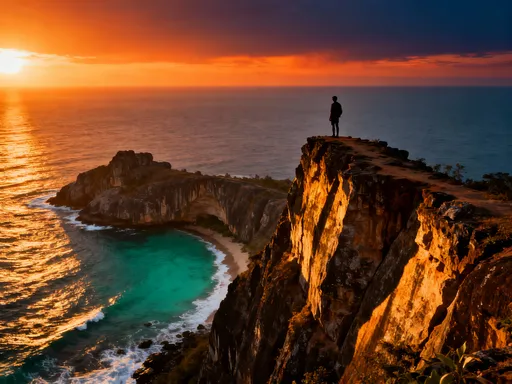
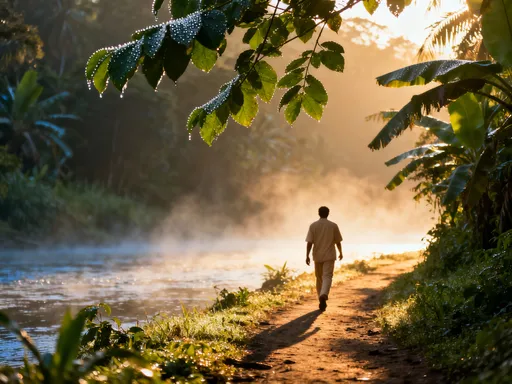
In an age of constant connectivity and rapid movement, the act of stepping into nature becomes a form of quiet rebellion. It is a deliberate choice to slow down, to breathe deeply, and to engage with the world through senses often dulled by screens and schedules. Sydney’s hidden natural gems offer more than scenic backdrops—they provide opportunities for transformation. Whether standing atop a cliff watching the sun rise over the ocean or listening to kookaburras echo through a misty forest, these moments recalibrate the spirit.
Travel is not only about seeing new places; it is about feeling them. The texture of sandstone under fingertips, the scent of damp earth after rain, the cool shade beneath a canopy of gums—these sensory impressions linger long after photographs fade. They become part of personal memory, shaping how we understand ourselves and our place in the world. In these spaces, time feels different. There is no rush, no agenda—only presence.
Moreover, engaging with nature fosters a deeper appreciation for Australia’s unique environment. Learning about Aboriginal land management practices, observing how plants adapt to harsh conditions, or witnessing seasonal changes in bird migration patterns enriches travel with meaning. It moves the experience beyond leisure into the realm of education and respect. These natural areas are not just scenic escapes—they are living classrooms, cultural landscapes, and sanctuaries of biodiversity.
For families, these experiences create lasting bonds. Children learn curiosity and stewardship by exploring creeks, identifying birds, or helping pack out trash. For adults, they offer renewal—mental clarity, physical rejuvenation, and emotional grounding. In a city known for its pace and energy, Sydney’s wild heart offers balance. It invites every traveler to look beyond the postcard views and discover a quieter, more enduring beauty. So lace up your shoes, fill your water bottle, and step off the beaten path. The real Sydney is waiting—not in the crowd, but in the calm, in the trees, in the silence between waves.