Why are you still missing out on new friends every time you park the car?
What if the everyday moments you thought were just chores—like paying for parking—could actually help you build healthier habits and expand your social world? It’s not about the app itself, but how you use it. I used to dread parking fees, until I realized they could be a trigger for something bigger: daily walks, chance conversations, and even real friendships. This is how a simple tap on my phone quietly reshaped my routine, my fitness, and my connections. You don’t need a new schedule or a big commitment. Sometimes, all it takes is a shift in perspective—and a tool you’re already using.
The Unnoticed Moment That Could Change Your Day
We all park—dropping kids off at school, running errands, grabbing coffee before a meeting. These short stops feel like background noise in our lives, something we barely register. We rush in, rush out, and climb back into the car without really seeing where we’ve been. But what if that two-minute walk from the car became the start of something meaningful? What if that little stretch of sidewalk could quietly boost your mood, your step count, and even your sense of belonging?
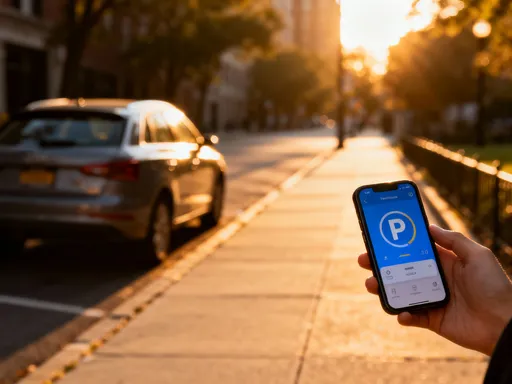
I used to treat parking like a nuisance. I’d circle the block, stress rising, then dash from the car to my destination with my head down and my mind racing. But then I started paying attention. One day, as I tapped “pay” on my parking app, I paused. Instead of hurrying back, I took a slow lap around the block. Just one. No grand plan. No workout clothes. Just movement. And something shifted. The air felt fresher. My shoulders dropped. And I noticed things: a blooming magnolia tree, a barista waving from the café window, an older couple walking hand in hand.
That tiny pause—triggered by a simple app notification—became a ritual. It wasn’t about exercise in the traditional sense. It was about presence. And somewhere between the meter beep and the sidewalk turn, I started noticing people. The dog walker who always smiled. The woman in the bright red jacket walking her terrier at the same time every Thursday. These weren’t deep conversations at first—just nods, then waves, then a few words. But over time, those small acknowledgments built something real: a sense of community in places I used to just pass through.
Technology didn’t replace human connection—it quietly made space for it. By using a tool I already relied on as a cue to slow down, I created room for both movement and moments. And that changed everything.
From App Alert to Daily Movement Habit
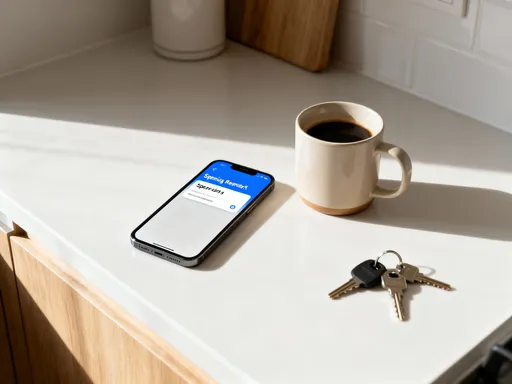
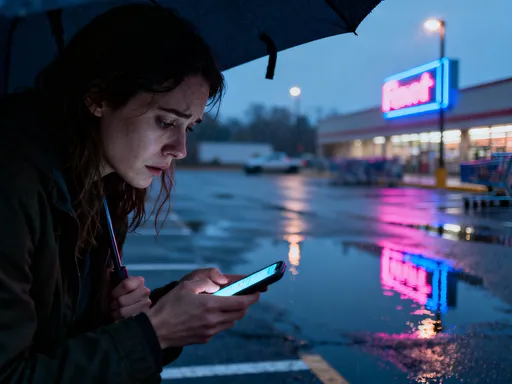
Parking apps send notifications—“time is running out,” “extend your session,” “your parking ends in 10 minutes.” At first, I’d feel a jolt of panic. I’d grab my keys and rush back to the car, heart pounding, annoyed at the interruption. But then I tried something different. Instead of reacting with stress, I used the alert as a signal: walk one extra block before responding. Just one. That’s it.
At first, it felt silly. Was I really using a parking reminder as an excuse to walk? But within a week, I started to feel the difference. My body felt looser. My mind felt calmer. I wasn’t logging miles or tracking calories, but I was moving—consistently. And consistency, I learned, is more powerful than intensity when it comes to building lasting habits. You don’t need an hour at the gym. You need small, repeatable actions that fit into your real life.
The key wasn’t willpower. It was linking a new behavior to an existing trigger. You already check your phone when you park. You already feel that little tug of responsibility when the app pings. Why not use that moment to stretch, breathe, or walk? It’s not about adding more to your plate. It’s about using what’s already there in a smarter way.
Over time, my body adjusted. I found myself looking forward to those little walks. Rain or shine, I’d step out, shoulders back, eyes up. Some days, I’d swing by the flower stand. Other days, I’d window-shop or listen to a podcast. The point wasn’t to “exercise”—it was to move with intention. And because it was tied to something I already did, it stuck. No guilt. No pressure. Just progress, one parking session at a time.
How a Parking Receipt Became a Social Gateway
One Tuesday afternoon, I ran into the same woman at a downtown parking lot. We both laughed—she’d just gotten a notification that her time was about to expire. “I always forget to extend!” she said, shaking her head. I nodded. “Same here. I’ve started walking while I decide whether to pay or cut my losses.” She smiled. “Smart. I might steal that.”
That casual exchange—born from a shared “oops” moment—led to a five-minute chat. Then a coffee. Then a walk the following week. Her name was Claire. She was a retired teacher, lived a few blocks away, and loved early morning strolls. We weren’t forced together by an app or a meetup group. We met because we were both present—because we weren’t glued to our phones, rushing back to our cars.
But here’s the thing: the app created the setting. By using parking as a cue to walk, I started passing the same faces. The barista who remembered my order. The man with the golden retriever who always said, “Good morning, sunshine.” The woman who sold handmade scarves from a pop-up stall every Saturday. Smiles turned into hellos. Hellos turned into names. Names turned into conversations. And over time, those interactions became informal meetups—no planning, no pressure.
These weren’t networking events. They weren’t arranged playdates or scheduled coffee dates. They were real, low-pressure connections born from routine. I didn’t set out to make friends. I just started showing up—literally. And because these moments happened in real life, they felt more authentic than anything I’d experienced online. The tech didn’t introduce us. But it gave us space to meet—without awkward swiping, without endless texting. Just human moments, supported by a simple tool.
Building Routines That Serve More Than One Purpose
Let’s be honest—life is busy. Most of us are juggling work, family, meals, laundry, and a thousand other little tasks. We want to move more. We want to connect more. But carving out extra time for a workout or a social event? That feels impossible. So instead of adding more, I started doubling up. Every parking payment now reminds me to walk—and to look up. Not at my phone, but at the world around me.
That small act changed everything. I started noticing seasonal changes—the cherry blossoms in spring, the golden light on brick buildings in fall. I saw shop windows change with the holidays. I recognized regulars at the farmers’ market. I greeted the security guard at the library who always had a kind word. My city began to feel more alive, more familiar. And my mind? It felt clearer, lighter, more at ease.
Exercise and connection weren’t separate goals anymore. They were woven into something I already did. I wasn’t “finding time” for wellness. I was building it into my day, one parking spot at a time. This isn’t about doing more. It’s about doing differently. It’s about using the tools we already have—like parking apps—not just for their intended purpose, but as quiet nudges toward better habits.
The app doesn’t track my steps. It doesn’t have a social feed. But it supports both movement and connection simply by being part of my routine. And that’s the beauty of it. You don’t need a new gadget or a fancy program. You just need to reframe how you use what’s already in your pocket.
The Hidden Power of Micro-Moments in Cities
Urban life moves fast. We’re trained to get from point A to point B as quickly as possible. But the in-between moments—waiting, walking, pausing—are where connection grows. A parking transaction takes 15 seconds. But the walk to the store? That’s five minutes of potential. A bus delay? Ten minutes of breathing room. These micro-moments are easy to overlook, but they’re golden opportunities to slow down and reconnect—with yourself and with others.
I started treating those minutes like hidden gifts. Instead of pulling out my phone and scrolling through emails or social media, I’d people-watch. I’d notice the way sunlight hit the sidewalk. I’d breathe deeply and check in with how I was feeling. Sometimes, I’d say hello to someone—just a simple “nice day, isn’t it?” Most of the time, nothing big happened. But sometimes, a smile sparked a conversation. A shared laugh over a barking dog turned into a five-minute chat. A wave from across the street became a “Hey, I see you every week!”
Over time, I recognized faces. I built familiarity. The city felt less anonymous. I didn’t know everyone, but I knew *of* them. And that made a difference. I felt more rooted. More seen. More part of something. My health improved—not from intense workouts, but from consistent, gentle motion. My mood lifted—not from grand achievements, but from small, daily joys.
The tech didn’t create these moments. But it helped me reclaim them. By using a parking app as a cue to pause, I turned transactional time into relational time. And that subtle shift made my days richer, calmer, and more connected.
Turning Transactions into Touchpoints
Paying for parking used to feel like a tax—a necessary evil. I’d tap “pay” and move on, barely registering the moment. Now, it’s a checkpoint. A pause. A question: *Am I moving? Am I present?* I don’t just tap “pay”—I tap “pause.” That mental shift changed how I move through the city. It changed how I show up in my own life.
My parking app doesn’t have social features. It doesn’t suggest walking routes or introduce me to neighbors. But it supports a social life simply by encouraging me to step out of the car and into the world. By building movement into my routine, I naturally crossed paths with others. And because these encounters happen in real life—in real time, in real space—they feel more authentic than any online chat ever could.
There’s no pressure. No performance. No need to curate a profile or come up with the perfect opener. Just human moments—shared smiles, brief exchanges, the comfort of recognition. These aren’t deep friendships overnight. But they’re the seeds of connection. And sometimes, that’s exactly what we need.
I’ve had people ask, “Don’t you worry about safety?” And yes, awareness matters. I stay in well-lit areas, keep my phone handy, and trust my instincts. But I’ve found that being present—making eye contact, smiling, saying hello—actually makes me feel safer. It builds a web of small connections that make a place feel more human, more welcoming.
A Smarter Life Isn’t About More Tech—It’s About Better Habits
We don’t need more apps to be social or healthy. We need smarter ways to use the ones we already have. Parking payment apps aren’t designed for fitness or friendship. But they can support both—if we reframe how we use them. This isn’t about chasing trends or downloading the latest tool. It’s about making life easier, richer, and more connected in ways that feel natural, sustainable, and kind to ourselves.
The real upgrade isn’t in the software. It’s in how we show up. When we let small tech moments guide better habits, we don’t just save time. We gain joy. We gain health. We gain a sense of belonging. We start to see our cities—and ourselves—differently.
So the next time you tap “pay” for parking, try something new. Don’t rush back to the car. Step out. Walk one block. Look up. Smile at someone. You might not make a friend that day. But you’ll be building the kind of life where friendship can grow—naturally, gently, one small moment at a time. And isn’t that what we all want? A life that feels fuller, not busier. More connected, not more scheduled. More human, in the truest sense of the word.