More Than Advice: How Online Mentors Helped Us Talk Like We Used To
Have you ever felt like you and your partner are speaking different languages—even when you’re trying so hard to connect? We were there too. Late-night arguments over small things, misunderstandings that snowballed, love buried under silence. Then we found something unexpected: online mentor guidance. Not therapy, not a quick fix—but gentle, practical support that helped us rebuild how we listen, speak, and truly hear each other again. It wasn’t magic. It was real, step-by-step help that fit into our busy lives. And the best part? It didn’t require overhauling our schedules or diving into heavy emotional work. Just small, consistent shifts—guided by someone who’d been there, who understood, and who knew how to help us find our way back to each other.
The Silence Between Us
There was a time when we’d talk for hours—about dreams, daily wins, even the weird cloud shapes outside the window. But slowly, without us really noticing, those conversations faded. Life got louder, busier. Work emails stacked up, kids needed rides, laundry never ended. And somewhere in the middle of it all, we stopped sharing. Not because we stopped caring, but because we forgot how to slow down and truly listen.
We weren’t fighting. We weren’t cold or distant. But we weren’t really together either. We moved through the house like two well-coordinated roommates, not partners. One quiet Tuesday night, after finishing dinner with only three sentences exchanged—mostly about the dog and the thermostat—I felt a lump in my throat. I looked at my partner and thought, Do we even know what each other is thinking anymore? That moment wasn’t dramatic, but it was powerful. It wasn’t about anger or betrayal. It was about absence. The absence of connection. And that’s when I knew—we didn’t need grand gestures. We needed to relearn how to talk. How to listen. How to be present, even in the ordinary moments.
But where do you start when the words have gone quiet? Books felt overwhelming. Therapy seemed too intense for what we were experiencing—not a crisis, just a slow drift. We didn’t want to be analyzed. We just wanted to be heard. That’s when I stumbled on something I hadn’t considered before: online mentors for couples. Not therapists, not coaches with flashy promises, but real people with training and experience, offering gentle guidance through digital platforms. It sounded simple. Too simple, maybe. But we were out of other ideas. So we took a breath—and clicked ‘start.’
Why We Avoided Traditional Counseling
Let’s be honest—counseling carries weight. The idea of sitting in a quiet office, digging into past wounds, being asked about our parents or childhood trauma—it felt heavy. And while we deeply respect therapy and know it helps countless people, it wasn’t what we needed. We weren’t in crisis. We weren’t on the verge of separation. We just… weren’t talking. Not the meaningful kind, anyway. We didn’t need to fix brokenness. We needed to restore rhythm.
There were practical barriers too. Scheduling appointments around work and family felt like another chore. And the cost—let’s not pretend it’s not a factor. Many of us are managing tight budgets, and even when insurance covers part of it, therapy can still feel out of reach. Plus, there’s the unspoken worry: What will people think? I know it shouldn’t matter, but sometimes it does. We didn’t want to feel like we were failing. We just wanted to do better.
What we longed for was something low-pressure, accessible, and focused on everyday connection. We wanted someone who could say, “Here’s how to talk about tough things without fighting,” or “Try this when you’re both tired and don’t feel like talking.” We didn’t need diagnosis. We needed direction. And that’s when we discovered online mentorship programs designed specifically for couples looking to strengthen communication—not because they’re falling apart, but because they want to stay close.
These platforms aren’t about crisis intervention. They’re about prevention. About nurturing what’s already there before it fades. And unlike therapy, which often requires a deep dive into personal history, mentorship focuses on practical tools—small shifts in how we speak, listen, and respond. It’s less about why we struggle and more about how to do better, starting today. For us, that made all the difference. It felt like support, not scrutiny. Like a helping hand, not a judgment.
Finding the Right Kind of Guidance
Not every online mentor is the same. Some sound robotic. Others feel too clinical, like they’re reading from a script. We wanted someone real—someone who’d been in a long-term relationship, who knew how life gets messy, and who could guide us without making us feel like we were failing. After reading profiles and listening to sample voice messages, we found her: a former teacher and communication coach with over 15 years of experience working with couples. She didn’t promise miracles. She didn’t use complicated jargon. Instead, her first message was simple: “Tell me what you miss most about how you used to talk.”
That question hit me in the heart. I hadn’t realized how much I missed those lazy Sunday chats, the way we used to laugh about nothing. Her approach wasn’t about fixing us. It was about remembering us. She asked gentle, thoughtful questions—“When do you feel most heard?” or “What makes it hard to speak up when you’re upset?”—that invited reflection without pressure. She didn’t lecture. She listened. And from that space, she offered small, practical exercises we could try together.
One of the things I appreciated most was that she didn’t treat us like a project. She treated us like people. She remembered details—like how I love morning coffee or how my partner gets quiet after long workdays. Her messages felt personal, not generic. And because the mentorship was digital, we could engage on our own time. No rushing after work, no finding babysitters. We’d get a new prompt each week—sometimes a voice note, sometimes a short reading—and we’d try the exercise over the next few days. It wasn’t about perfection. It was about practice.
And here’s the thing: it worked because it felt doable. We weren’t being asked to overhaul our lives. Just to try one small thing. Like pausing before responding. Or noticing when we were shutting down. Or simply saying, “I need a minute to think.” These weren’t grand strategies. They were tiny shifts. But over time, they added up. And having someone guide us—someone neutral, kind, and experienced—made it easier to stay consistent.
The First Step: Learning to Listen Again
Our mentor started with the most basic but most powerful skill: listening. Not the kind where you’re just waiting for your turn to speak, but real listening—where you focus on understanding, not responding. She introduced us to a technique called mirroring. One person shares something—anything, from “I’m stressed about work” to “I miss our date nights.” The other person listens, then repeats back what they heard, without adding their own spin. “So you’re feeling overwhelmed and wish we had more time together?” That’s it.
At first, it felt awkward. We giggled. We worried we sounded like robots. But after a few tries, something shifted. I realized how often I’d jump in with solutions when all my partner wanted was to be heard. “You should just talk to your boss,” I’d say, when what she really needed was, “That sounds really hard. I’m here.” Mirroring forced me to slow down. To listen for feelings, not just facts.
And it changed how we heard each other. When my partner said, “You never help around the house,” instead of getting defensive, I tried mirroring: “It sounds like you’re feeling overwhelmed and need more support.” That small shift—from accusation to emotion—changed everything. We weren’t fighting about chores. We were talking about feeling unseen. And once we named that, we could address it with care, not criticism.
Our mentor reminded us: “Listening isn’t passive. It’s an act of love.” And she was right. When we truly listen, we’re saying, I see you. I’m here. You matter. That doesn’t mean we agreed on everything. But it meant we stopped assuming. We started asking. And over time, we began to trust that our voices would be received—not judged, not fixed, but heard.
Building Daily Habits That Stick
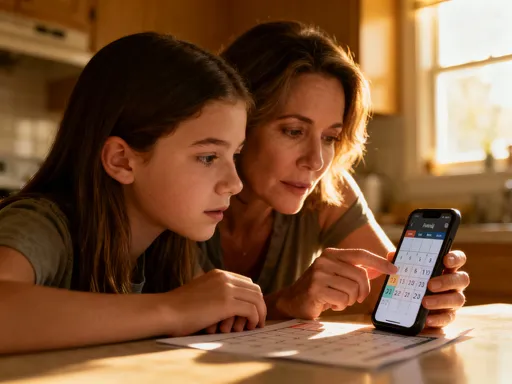
One of the biggest lessons we learned? Connection isn’t built in big moments. It’s built in the small ones. Our mentor helped us create tiny, consistent habits—micro-moments of care—that added up over time. She didn’t ask us to set aside an hour each day. Just five minutes. A morning check-in: “How are you feeling today? What’s on your mind?” A midday text: “Saw this flower and thought of you.” A weekly 20-minute chat: no phones, no distractions, just us.
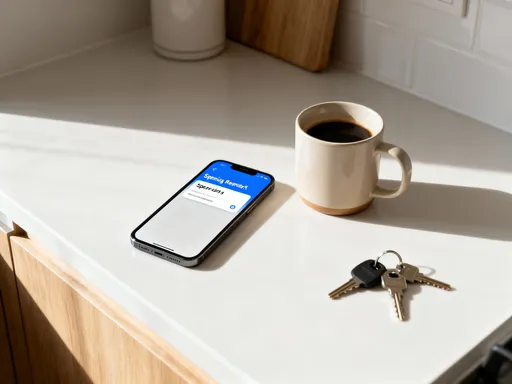
We used a simple shared app to track these moments—not to compete, but to celebrate. We’d tag our check-ins with little emojis: a coffee cup, a heart, a smiley face. At first, it felt silly. But soon, those tags became a quiet language of their own. I’d see a coffee emoji and know my partner was thinking of our morning ritual. A heart meant, I’m feeling close to you today. It wasn’t about performance. It was about presence.
What surprised us most was how these small habits began to change the tone of our days. Even on stressful ones, that five-minute chat created a pocket of calm. We weren’t just talking more—we were talking with more intention. We learned to notice when one of us was withdrawn and gently ask, “Want to pause and reconnect?” instead of letting silence grow.
And because the mentor gave us these practices one at a time, we didn’t feel overwhelmed. We’d focus on one habit for a week or two, then add another. It was like building a muscle—slowly, with consistency. Over time, these moments became second nature. We didn’t need the app to remind us anymore. We just… did them. Because we wanted to. Because they made us feel closer.
When Technology Felt Like a Lifeline
Life doesn’t stop. There were weeks when work piled up, when the kids were sick, when we were both running on fumes. And in those moments, our mentor’s messages became a quiet anchor. A recorded voice note: “Try sharing one thing that made you smile today.” A simple text: “How’s your heart today?” No pressure. No expectation. Just a gentle nudge to reconnect.
What made it work was the flexibility. We didn’t have to reschedule. We didn’t have to drive across town. We could listen to a message while making dinner, respond when we had five quiet minutes, or save it for the weekend. It fit into our real lives—messy, unpredictable, beautiful.
During one particularly rough week, my partner was traveling for work, and I was managing everything at home. We were both exhausted. One evening, I opened the app and saw a new prompt: “Send your partner a memory—something small that made you feel close.” I sent a photo of our dog sleeping on the couch, captioned: “Remember when we adopted him? You said, ‘He’s going to be so loved.’ And he is. Just like us.” I didn’t expect much. But my partner called me that night, voice soft: “I needed that. I forgot how good we are together.”
That moment wasn’t about technology. It was about connection. But technology made it possible. It gave us a bridge when we felt far apart. It didn’t replace our bond—it protected it. And in those low-energy seasons, that made all the difference.
How We’re Talking Now—And Why It Matters
Today, our conversations flow more easily. We still have disagreements—of course we do. But they don’t spiral like they used to. We pause. We breathe. We ask, “Can you say more about that?” instead of jumping to conclusions. We’ve learned to name our feelings without blaming. To listen without fixing. To say, “I need space,” without shutting down.
Online mentor guidance didn’t fix us. We weren’t broken. But it helped us rediscover each other. What started as a search for better communication became a journey of deeper intimacy. We’re not perfect. We still forget sometimes. But now, we have tools. We have habits. We have a shared language of care.
And perhaps the most beautiful change? We laugh more. Not just polite laughs, but real, deep ones—the kind that come from feeling safe, seen, and loved. We talk about little things again. We share dreams. We hold hands in the kitchen.
Technology played a role, yes. But it wasn’t the apps or the voice notes that brought us back. It was the intention. The willingness to try. The belief that even in the busiest, messiest seasons of life, love is worth nurturing. And sometimes, all it takes is one small step—guided by someone who knows the way—to find your way back to each other.