Tired of Misunderstandings with Your Partner? How a Simple QR Code Fixed Our Communication
We’ve all been there—endless text threads that go nowhere, tone misread, feelings hurt. I used to clash with my partner over the smallest things, all because we weren’t truly connecting. A simple “You forgot to reply” turned into “You don’t care,” and before I knew it, we were in a full-blown argument about nothing. It wasn’t that we stopped loving each other; it was that we’d lost the rhythm of real conversation. Then we tried something surprisingly simple: a QR code that held our daily check-ins, shared memories, and even little love notes. It wasn’t about the tech—it was about creating space for us. And honestly, it changed everything.
The Little Fights That Almost Broke Us
It’s strange how love can feel so strong, yet communication can quietly fall apart. My partner and I had been together for over ten years. We raised two kids, celebrated anniversaries, and supported each other through job changes and family ups and downs. But somewhere along the way, our conversations became transactional—“Did you pick up milk?” or “Don’t forget the school pickup.” The warmth, the curiosity, the “How was your day, really?” had faded into the background noise of daily life.
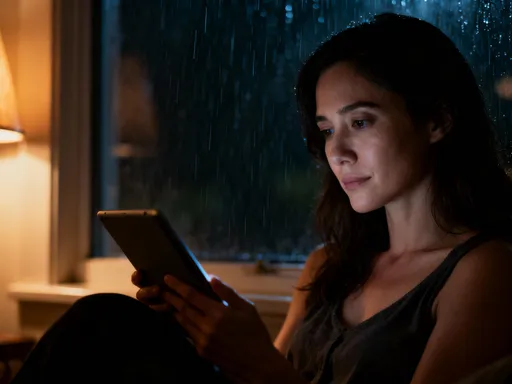
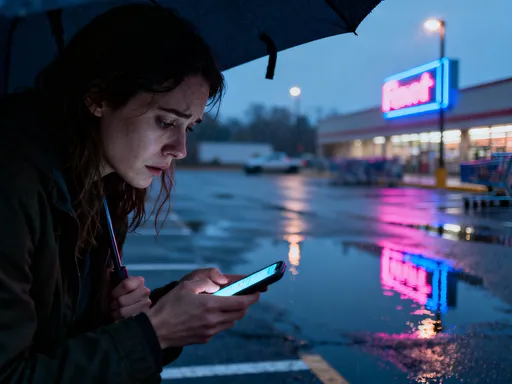
I remember one night, I sent a text: “We need to talk.” Within minutes, his reply came: “What now?” That single line hit me like a door slamming. I felt dismissed, unheard. What I meant to say was, “I miss us. I feel lonely even when we’re in the same room.” But the text didn’t carry my tone, my softness, my vulnerability. And his reply? It wasn’t meant to be harsh—he was tired, distracted, already bracing for conflict. But that’s the thing about digital communication: it strips away nuance. No facial expressions, no pauses, no hand on the shoulder. Just words on a screen, easily misread.
Over time, these misunderstandings piled up. A missed text felt like neglect. A delayed reply read like anger. I’d write long messages trying to explain how I felt, only to get a one-word answer. He’d say he was “fine” when clearly, he wasn’t. We weren’t fighting about big issues—no infidelity, no major betrayals. But the emotional distance grew until it felt like we were living parallel lives under the same roof. We loved each other, yes, but we weren’t feeling loved. And that’s a different kind of pain—one that doesn’t shout, but quietly aches.
One weekend, after yet another argument about nothing, we finally sat down—really sat down—with tea and no phones. We talked for hours. No blame, no defensiveness. Just honesty. And what we realized was heartbreaking: we felt more like roommates than partners. We were co-parenting and co-managing a household, but we’d stopped tending to our emotional connection. We needed a new way to talk—to really talk—not just react. And that’s when I remembered something I’d seen at a café that week, something so small, it almost seemed silly. But sometimes, the smallest things carry the biggest change.
How a Tiny Tech Tool Brought Us Closer
It was a quiet Sunday afternoon, and we were out for coffee. At the table next to us, a couple was laughing as they scanned a QR code on the table with their phones. A soft melody started playing—“their song,” the woman said with a smile. It was part of a café promotion, linking to a shared playlist. But watching them, I felt something stir inside me. Not envy, but hope. What if we could use that same simple technology—not for a marketing gimmick, but for us? What if we created a private space, just for the two of us, where we could share feelings, memories, and moments without the pressure of instant replies or misread tones?
That night, I brought it up. “What if we made a QR code… for us?” I said, half-joking. But my partner paused, then nodded slowly. “I’d actually like that,” he said. “Something just for us. No distractions. No audience.”
We started simple. I used a free QR code generator online—no cost, no complicated steps. I linked it to a private Google Site, which I set up with a password only we knew. On that page, we created sections: a Daily Check-In, a Gratitude Corner, a Memory Lane, and a Talk Later box. No fancy design, just clean and warm. We uploaded a few photos—our wedding, a beach vacation, our kids as toddlers. I recorded a short voice note: “Today was tough, but I felt better when you hugged me after work.” He added one too: “Saw your favorite flowers at the store. Bought them. They’re on the kitchen counter.”
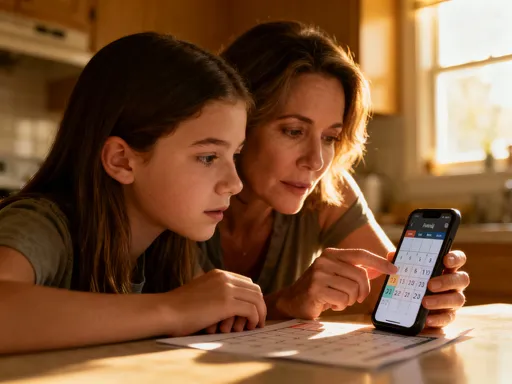
The first few days, it felt strange. We weren’t used to sharing like this outside of arguments. But slowly, it became natural. We printed the QR code and stuck it on the fridge, taped one to the bathroom mirror, and even put a tiny version inside our wallets. Anytime we wanted to share something—big or small—we’d scan and leave a note. No pressure. No expectation of an immediate reply. Just the freedom to express, to be seen, to reconnect on our own terms.
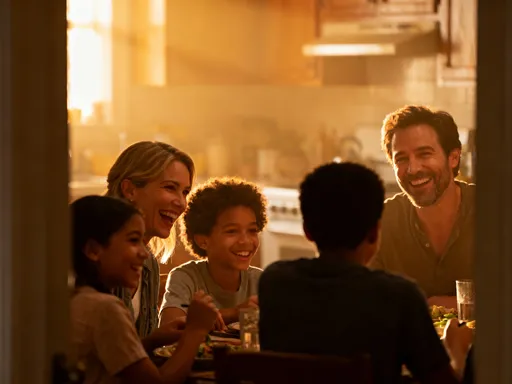
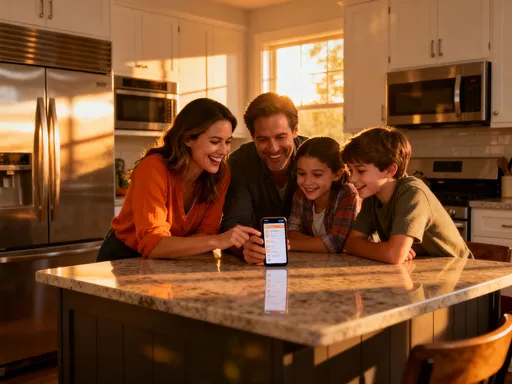
And something shifted. The tension in our home softened. We started smiling more. Laughing at old memories we’d scanned in. Even our kids noticed. “Why are you guys so happy lately?” our daughter asked. I just smiled. “We found a new way to talk,” I said. But really, we found a new way to love.
Building a Shared Emotional Language
One of the hardest things in a long-term relationship isn’t conflict—it’s the slow erosion of emotional intimacy. Over the years, we stop sharing the small things: the quiet worries, the fleeting joys, the “I saw this and thought of you” moments. We assume our partner knows. But they don’t. And when we don’t express it, those feelings go unheard, unacknowledged, and eventually, unvalued.
The QR code gave us structure. Every night, before bed, we’d scan it—sometimes together, sometimes alone—and leave a short voice note or written message. At first, it was awkward. “Uh… today was okay. I’m tired,” I’d mumble into my phone. But over time, it got easier. I started saying things like, “Today I felt loved when you made coffee without me asking.” Or, “I’m stressed about the meeting tomorrow—can we talk about it over breakfast?” He began sharing too: “I felt proud of you when you handled that call with the school so calmly.” “I miss us going for walks. Can we do that this weekend?”
These weren’t grand declarations. They were small, honest moments. But they added up. We weren’t just sharing updates—we were building a language of care. A way to say “I see you” without saying it at all. The QR page became our emotional anchor, a place where vulnerability felt safe, where feelings weren’t met with defensiveness, but with presence.
What surprised me most was how it helped us during tough times. When one of us was upset, instead of lashing out in a text or shutting down, we’d go to the QR page and leave a note: “I’m not ready to talk yet, but I want you to know I’m hurting.” The other person would reply—not with advice, not with fixes, but with something simple: “I’m here. I love you.” No pressure. No performance. Just connection.
Over time, we started understanding each other’s emotional rhythms. I learned that when he says “I’m fine,” he often means “I need space to process.” He learned that when I go quiet, it usually means “I need comfort, not solutions.” The QR code didn’t fix everything overnight, but it gave us a tool to express what we couldn’t say out loud. And in doing so, it rebuilt the bridge between us—one message at a time.
From Reactive Texts to Intentional Connection
Before the QR code, our communication lived in the reactive zone. A text comes in, you reply—fast. Emotion spikes, fingers type, and before you know it, you’re in a spiral. There’s no pause, no breath, no space to reflect. It’s like trying to have a heart-to-heart during a thunderstorm—everything gets drowned out by noise.
Texting had become a battlefield for us. A simple “Did you feed the dog?” could turn into “You never remember anything” within minutes. Why? Because we weren’t just communicating—we were reacting. And reactions are rarely kind, rarely fair, rarely true to what we really feel.
The QR system changed that. Because responses weren’t instant, we had space—space to calm down, space to think, space to choose our words. I could leave a note saying, “I felt hurt when you didn’t call me back,” and he could read it hours later, when he wasn’t stressed, when he could truly hear me. He could respond not from defense, but from care: “I’m sorry I missed your call. I was in a meeting and should’ve texted. I love you.”
That pause made all the difference. We stopped seeing communication as something to win or lose, and started seeing it as something to nurture. We’d scan the code during walks, after work, or while waiting for the kids’ school bus. It became part of our rhythm. No notifications pinging, no anxiety about unanswered messages. Just a quiet invitation to connect—on our own time, in our own way.
And something beautiful happened: we started listening better. Not just to the words, but to the silence between them. We noticed when one of us hadn’t scanned in a few days. We’d gently ask, “Everything okay?” not with suspicion, but with concern. We weren’t policing each other—we were tending to each other. The QR code didn’t replace face-to-face talks, but it prepared us for them. It softened the ground so that when we did sit down to talk, we were already connected, already seen.
A Private World Only We Could Access
In a world where so much is shared—photos, thoughts, opinions, meals—there’s something sacred about a space that’s just for two. No likes, no comments, no audience. Just us.
Our QR page became that sacred space. Unlike social media, where everything is public and performative, this was private and authentic. We added photos from trips we’d taken, scanned in old love letters, even recorded short voice clips of songs that reminded us of each other. One night, I found an old voicemail from our first year together—“Hey, it’s me. Just wanted to hear your voice.” I uploaded it. He cried when he heard it.
We started calling it “our island.” A place we could retreat to, no matter where we were. When he traveled for work, he’d scan the code before bed and listen to my voice saying, “Goodnight. I hope your day was kind.” When I had a hard day with the kids, I’d scan and hear him say, “You’re doing great. I’m proud of you.”
It wasn’t about grand gestures. It was about consistency. About showing up, even in small ways. Knowing we had this shared digital home made us feel closer, even when we were apart. It reminded us that we were a team, a unit, a “we” in a world that often pulls couples in different directions.
And the best part? No distractions. No ads, no pop-ups, no endless scroll. Just our words, our voices, our love. In a world that’s always demanding our attention, this was a space that asked for nothing—except that we show up as ourselves.
How to Create Your Own Couple’s QR Connection
You don’t need to be tech-savvy to do this. I’m not. I barely know how to code a smart thermostat. But setting this up took less than 30 minutes, and it’s been one of the most meaningful things I’ve ever done for my relationship.
Here’s how we did it: First, I went to a free QR code generator website—just search “free QR code generator” and pick a reputable one. I chose to link it to a Google Site because it’s easy to edit, mobile-friendly, and secure with a password. You could also use a private page on another platform, as long as it’s password-protected and only accessible to the two of you.
Next, I created simple sections: Daily Check-In (how we’re feeling), Gratitude (one thing we’re thankful for about each other), Memory Lane (photos and voice clips), and Talk Later (for things we want to discuss in person). You can customize it however you like—add a “Dreams & Goals” section, a “Funny Moments” album, or a “Love Notes” box.
Once the page was ready, I generated the QR code and printed it. We stuck one on the fridge, one on the bathroom mirror, and even slipped a tiny version into our wallets. That way, no matter where we were in the house—or even when we were apart—we could scan and connect in seconds.
The key? Keep it simple. Don’t overthink it. It’s not about perfection. It’s about presence. Start with one voice note, one photo, one “I appreciate you” message. Let it grow naturally. And most importantly, agree not to use it as a weapon. This isn’t a place to rehash arguments or assign blame. It’s a space for care, for warmth, for connection.
Some couples might worry: “What if one of us doesn’t participate?” That’s okay. Start small. Even if only one person uses it at first, the other will notice. Love is contagious. When one person shows up with kindness, the other usually follows. And if it feels awkward at first? That’s normal. New habits take time. But give it a few weeks, and you might be surprised by how much closer you feel.
More Than a Hack—It’s a Habit of Love
This wasn’t a quick fix. It didn’t erase every problem we’d ever had. We still have disagreements. We still get stressed. We still forget things. But what changed was our capacity to come back to each other. The QR code became a daily ritual of care—a small act that said, “You matter. I’m thinking of you. I want to stay connected.”
Technology often gets blamed for pulling us apart. Phones at the dinner table. Endless scrolling. Distraction. And yes, it can do that. But used with intention, technology can also bring us closer. It can create space for the conversations we keep postponing. It can carry the love we struggle to say out loud. It can be a bridge, not a barrier.
Now, when I see that little square on the fridge, I don’t see pixels or code. I see us. I see late-night voice notes. I see inside jokes. I see the quiet moments that make a marriage strong. I see a habit of love—one that didn’t require grand gestures, just consistency, courage, and a willingness to try something new.
If you’re feeling disconnected, if the little fights are piling up, if you miss the ease of early love—try this. Not because it’s perfect, but because it’s possible. Because sometimes, the smallest door opens into the deepest room. And sometimes, all it takes is a scan to come back home.