What If Getting the Whole Family to Dinner Could Be This Easy?
Ever feel like herding cats just to get everyone at the dinner table? Between school runs, work meetings, and last-minute soccer practice, coordinating a simple family meal can seem impossible. But what if the same app you use for rides could finally make dinnertime predictable, peaceful, and actually enjoyable? Let’s talk about how smart ride-hailing tech is quietly transforming one of the most important moments of our day. It’s not about luxury or convenience for convenience’s sake—it’s about giving you back time, reducing stress, and helping your family reconnect when it matters most.
The Chaos of Modern Family Dinners
Picture this: it’s 6:15 p.m. You’re standing in the kitchen, stirring a pot of pasta that’s already been on the stove too long. Your phone buzzes—again. This time, it’s your youngest, calling from the school pickup line: “Mom, the carpool forgot me.” Meanwhile, your partner is stuck in a meeting that ran late, and your teenager texted twenty minutes ago saying practice ended early but didn’t say they were on their way. You take a deep breath and wonder, not for the first time, how something as simple as dinner became this complicated.
Sound familiar? You’re not alone. For so many of us, family dinner has gone from a daily ritual to a rare win. We know it matters—studies show kids who eat regularly with their families tend to have better emotional health, stronger academic performance, and even healthier eating habits. But knowing it’s important doesn’t make it any easier to pull off. The real challenge isn’t cooking or even time. It’s logistics. Getting everyone in the same place at the same time, especially when schedules are scattered across schools, jobs, sports, music lessons, and social events, feels like solving a puzzle with missing pieces.
And the cost isn’t just cold food. It’s the missed moments. The questions like “How was your day?” that never get asked because someone’s already halfway out the door. The quiet that settles over the table when only two out of five people show up. We don’t just lose a meal—we lose connection. But what if we stopped thinking of technology as the reason we’re distracted and started seeing it as a way to bring us back together?
How Ride-Hailing Became a Family Logistics Tool
Not too long ago, ride-hailing apps were something we used for date nights, airport trips, or when we didn’t want to drive after drinks. But over the past few years, something subtle has shifted. More and more families are quietly turning these apps into personal logistics helpers. Instead of seeing them as a luxury, they’re using them as a practical tool—like a digital minivan that shows up exactly when needed, no keys required.
Think about a typical weekday. One parent stays at work to finish up, while the other manages after-school pickups. But what if that second parent can’t make it? In the past, that might mean calling a neighbor, rearranging the whole evening, or making a frantic detour. Now, a simple tap on a phone can send a trusted driver to pick up the kids and bring them straight home—or even directly to dinner at Grandma’s. No favors asked. No stress. Just a safe, reliable ride.
And it’s not just for kids. What about when your parents want to join for Sunday dinner but don’t feel comfortable driving at night? A scheduled ride means they can come without worry—and leave whenever they’re ready. Or your teen, who has a late study group but doesn’t want to bother you for a pickup? A pre-approved ride gives them independence and you peace of mind. This isn’t about replacing family time with technology. It’s about using technology to protect family time.
I remember talking to a friend last winter—Sarah, a nurse and mom of three—who told me, “I used to dread Thursdays. My youngest had gymnastics, my middle child had band, and my husband was on call. We never ate together. Now, I schedule two rides—one for each activity—and they come home just in time for dinner. It’s not magic. But it feels like it.” That’s the quiet revolution happening in homes across the country: tech that doesn’t add to the noise, but helps clear it.
The Hidden Power of Smart Scheduling Features
Here’s where it gets even better: ride-hailing apps aren’t just about calling a car in the moment. The real game-changer is scheduling. Most major platforms now let you book a ride days in advance—sometimes up to 30 days. That means you can line up transportation the same way you plan meals or set calendar reminders. No last-minute scrambling. No “Who’s picking up who?” texts at 3 p.m.
Imagine this: on Sunday night, while you’re meal planning, you also schedule rides for the week. Tuesday at 5:45 p.m., a car picks up your daughter from dance class and brings her home. Thursday at 6:10 p.m., another arrives for your son’s chess club. You set it once, and it runs like clockwork. Some apps even let you share live ride tracking with family members, so you can see exactly when the car is five minutes away—no more guessing, no more calling.
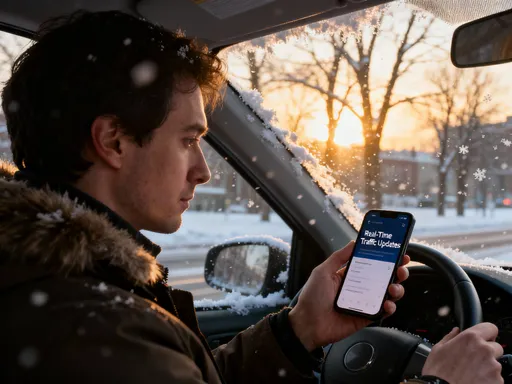
And it’s not just about timing. These apps use smart algorithms to find the most efficient routes, avoid traffic, and even predict arrival times with surprising accuracy. That means fewer delays, fewer missed connections, and fewer excuses for dinner being late. When you know your kids will arrive at 6:12 p.m., you can time that lasagna to come out of the oven at 6:10—hot, fresh, and ready to share.
One feature that’s especially helpful for families is group rides. Need to get two or three kids from different locations to the same place? Some apps let you add multiple pickup points in one booking. So instead of two separate rides—and double the cost—you can streamline it into one efficient trip. It’s not just convenient; it’s cost-smart, too.
The beauty is in the predictability. When you can count on transportation, you stop holding your breath every afternoon. You stop canceling plans. You stop feeling like you’re constantly behind. Instead, you start building routines that actually work. And when the little things go smoothly, the big things—like family time—finally get the space they deserve.
Making Time Feel Slower (Even When Life Speeds Up)
It sounds strange, but one of the greatest gifts technology can give us isn’t more speed—it’s the feeling of having more time. And that’s exactly what happens when ride-hailing takes the transportation question off your plate. You’re not just saving minutes; you’re freeing up mental energy. No more running through worst-case scenarios in your head. No more calculating drive times, gas costs, or who owes whom a favor. That mental load? It’s real, and it’s exhausting.
When you remove that layer of stress, something shifts. You can focus on what really matters—like chopping vegetables without checking your phone every 30 seconds. Or helping your child with homework instead of rushing out the door. Or simply sitting down with a cup of tea and breathing before the evening begins. That calm isn’t just nice—it’s necessary. Because when we’re overwhelmed, we’re not just tired. We’re less present. We snap more easily. We miss the little things.
But when the logistics are handled, we show up differently. We’re more patient. We listen better. We laugh more. And dinner? It stops being a transaction—“Eat fast, you have practice”—and starts becoming a moment. A place where everyone shares what happened today. Where someone admits they’re struggling with a test. Where a silly joke makes the whole table erupt in laughter. These aren’t small things. They’re the building blocks of connection.
And here’s the irony: the same digital tools that sometimes make us feel more distracted can, when used wisely, help us be more together. It’s not about staring at screens during dinner. It’s about using a screen earlier in the day so you don’t have to think about logistics later. The tech fades into the background, and what comes forward is your family—talking, eating, being.
Real Talk: How One Family Changed Their Weeknights
Let me tell you about the Thompsons—a real family, though I’ve changed their name to protect their privacy. Maria and James both work full-time. They have three kids: Emma, 14; Liam, 10; and Sophie, 7. Their calendar used to be a rainbow of color-coded chaos. Soccer, tutoring, Girl Scouts, piano—something was always happening, somewhere else.
“We used to eat dinner in shifts,” Maria told me. “One of us would stay home with the kids while the other finished work or ran errands. We’d talk about having family dinner like it was this impossible dream.” Then, last fall, their school district launched a partnership with a local ride-hailing service to help with after-school transportation. Families could sign up for subsidized rides for extracurriculars. The Thompsons gave it a try.
At first, they were nervous. Would the drivers be safe? Would the kids know what to do? But the app had safety features—real-time tracking, driver background checks, the ability to share trip details with parents. They set up a family account, added payment, and scheduled their first ride. Emma went to robotics club. A driver picked her up at 4:45 p.m., sent a notification, and brought her home by 6:05. No stress. No last-minute driving.
They started small—just one ride a week. Then two. Then they realized they could use it for more. Liam’s baseball practice ended at 5:50. Sophie’s art class at 5:30. They scheduled separate rides, but both set to arrive home by 6:15. Maria could stay at work until 6, come home, and have dinner ready. James could join straight from the office. “For the first time in years,” Maria said, “we’re all sitting down together. And you know what? The kids actually talk. They tell us things they never used to.”
One night, Sophie said, “I like when we all eat together. It feels like a real family.” Maria nearly cried. That’s the thing—this isn’t just about rides. It’s about creating space for those moments that matter. The Thompsons didn’t change their schedules. They didn’t quit their jobs. They just found a smarter way to move through the week. And in doing so, they found their way back to each other.
Tips to Optimize Ride-Hailing for Family Dinner Success
If you’re curious about trying this for your family, here are some practical steps to make it work smoothly. First, start small. Pick one day a week—maybe Wednesdays or Sundays—and schedule a ride for one child coming from an activity. See how it feels. Once you’re comfortable, expand to more days or multiple riders.
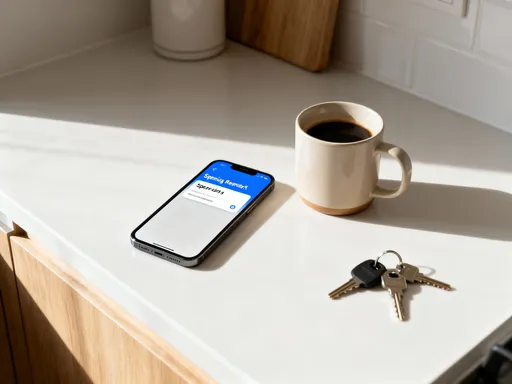
Next, use the scheduling feature. Don’t wait until the afternoon to book. Set rides at the beginning of the week, just like you’d plan meals. Most apps let you save frequent routes—like “Home to Soccer Field”—so you can book with one tap. You can even sync with your calendar app so reminders show up automatically.
Safety is always top of mind, and these apps have come a long way. Look for ones that offer real-time GPS tracking, driver ratings, and in-app emergency buttons. Many let you set “trusted contacts” so only certain drivers or car types are assigned. You can also require drivers to confirm pickup with a PIN or by recognizing the child’s name.
For families with multiple kids, consider setting up a family account. This lets you manage payments, set spending limits, and approve rides from one dashboard. Some platforms even offer family plans with discounted rates. And don’t forget to talk to your kids about safety—what to do if a driver seems off, how to verify the car matches the app, and always sitting in the back seat.
Timing is key. Build in a buffer—schedule the ride to arrive 10–15 minutes before dinner starts. That gives kids time to wash up, change, and settle in. And if you’re cooking, use that time wisely. A slow cooker or sheet pan meal can be ready the moment they walk in. The goal isn’t perfection—it’s presence.
Finally, communicate. Let your partner, your kids, and even your parents know the plan. Share the tracking link. Make it part of your routine, like setting the table or lighting a candle. When everyone knows what to expect, the whole evening flows easier.
Reclaiming More Than Just Dinner—Building Rituals That Stick
At the end of the day, this isn’t really about ride-hailing. It’s about what happens when we stop spending so much energy on the “how” and start investing it in the “who.” When transportation stops being a barrier, something beautiful happens: rituals take root. Family dinner becomes more than a meal. It becomes a touchstone. A place where everyone checks in, shares highs and lows, and feels seen.
And those moments add up. The child who mentions a friendship problem over mashed potatoes might not have said a word otherwise. The parent who laughs at a silly story might carry that lightness into the rest of their week. These aren’t grand gestures. They’re quiet, everyday acts of love and attention. But they’re powerful.
Technology won’t fix everything. It won’t solve every challenge or erase every stress. But when used with intention, it can clear a path. It can help us build lives that aren’t just busy, but meaningful. The apps don’t create connection—but they can make space for it to grow.
So yes, it might feel strange at first to send your child home in a car you didn’t drive. But when that child walks in, drops their backpack, and says, “Mom, guess what happened today?”—and then sits down to eat with the whole family—that’s the moment you realize: this small change didn’t just make dinner easier. It made it possible. And in a world that pulls us in so many directions, having one place where everyone comes together? That’s not just convenient. That’s everything.