I thought energy-saving mode was just for laptops: How one setting changed my whole home
We’ve all said it—"I’ll adjust it later" when the thermostat blinks, or "It’s fine, the lights can stay on." But what if tiny tech tweaks could quietly cut bills and calm daily stress? I used to ignore my devices’ energy-saving modes, thinking they barely mattered. Then I discovered how smarter settings reshaped not just power use, but communication, routine, and peace at home—no overhaul needed, just small, intentional changes anyone can make. It started with something as simple as a notification I almost swiped away, and ended with a home that feels lighter, quieter, and more in sync with how we actually live.
The Moment I Realized My Devices Were Talking—And I Wasn’t Listening
It was a rainy Tuesday evening. The kids were winding down after homework, my partner was scrolling through recipes, and I was folding laundry near the living room smart plug that powers our TV and soundbar. Out of nowhere, my phone buzzed with a soft chime: "Device offline. Power saved: 1.2 kWh this week." I paused. The plug had automatically shut off after detecting no activity for two hours. I hadn’t told it to do that. I hadn’t even known it could.
That tiny alert hit me like a whisper I’d been ignoring for years. My devices weren’t just running in the background—they were trying to tell me something. They were offering help. And up until that moment, I’d treated them like silent appliances, not quiet partners in managing our home. I started wondering: how many other little messages had I missed? How much energy had we wasted because I assumed someone else—my partner, the kids, even myself—would remember to unplug or switch off?
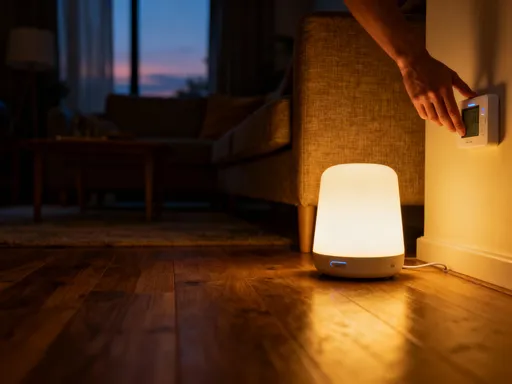
That night, I opened my home app and really looked. The thermostat had been adjusting temperatures based on our schedule, but I’d never reviewed the pattern. The lights in the kitchen had a motion sensor I’d forgotten to enable. Even the kids’ tablets had sleep timers I hadn’t set. I realized I wasn’t using these tools—I was just letting them exist. And in doing so, I was missing out on the most valuable part: how they could support not just efficiency, but peace of mind.
It wasn’t about becoming a tech expert. It was about listening. And once I started, I noticed how often our home life revolved around small, repeated stresses—"Did you turn off the oven?" "Is the Wi-Fi router going to overheat?" "Why is the electric bill so high this month?" These weren’t just annoyances. They were symptoms of a system that wasn’t working *with* us. And the fix wasn’t more effort. It was smarter settings.
Why Energy-Saving Mode Felt Confusing—And How I Finally Got It
Let’s be honest: tech language can feel like a foreign dialect. The first time I saw "adaptive brightness," "standby power," or "eco thermostat mode," I felt a familiar wave of overwhelm. It sounded like something an engineer would understand, not a mom who just wanted the lights to turn off when everyone went to bed. I avoided these settings for months, afraid I’d accidentally disable something important or make the Wi-Fi slower. I even joked with my sister, "I don’t need more control—I need less thinking!"
But then I had a breakthrough. I stopped trying to understand every term and started asking one simple question: "What do I want this device to *do*?" For the thermostat, I wanted it to keep the house warm in the morning and cooler at night. For the lights, I wanted them to turn off if no one was in the room. For the kids’ tablets, I wanted them to dim after an hour of use. Suddenly, the settings weren’t about technical jargon—they were about intention.
I began exploring the menus slowly, treating it like learning a new kitchen gadget. I’d open the app, tap one setting, and see what happened. If I didn’t like it, I’d undo it. No harm done. I learned that "sleep mode" on the router just means it uses less power at night. "Eco mode" on the thermostat adjusts temperatures by a degree or two—barely noticeable, but it adds up. And "auto-off" on smart plugs? That’s like having a tiny helper that remembers what I forget.
The real game-changer was realizing that most of these features are designed for people like me—people who care about their homes but don’t want to spend hours tweaking settings. The language in the apps has gotten simpler, too. Instead of "power draw optimization," it says "save energy when not in use." Instead of "scheduled shutdown," it says "turn off at bedtime." Once I saw them as helpful suggestions rather than technical commands, everything clicked. And the best part? I didn’t need to be perfect. I could start small, adjust as I went, and still see results.
From Solo Settings to Shared Habits: How Tech Brought Us Closer
Before I made any changes, I’ll admit—I was the household’s unofficial energy police. "Did you unplug the curling iron?" "Why is the garage light on?" "The AC’s on full blast and the windows are open!" I meant well, but I could see it was starting to wear on everyone. My partner would sigh. The kids would roll their eyes. And honestly? I was tired of being the one always on alert.
Then I tried something different. Instead of reminding people, I set up the tech to do it gently. I enabled a feature on our smart lights that sends a soft notification if a room has been unoccupied for 30 minutes: "Lights still on in the kitchen. Want to turn them off?" I set the thermostat to send a weekly summary: "You saved 8 kWh this week by adjusting temps at night." And I turned on a friendly alert on the family tablet: "Router entering low-power mode. Goodnight!"
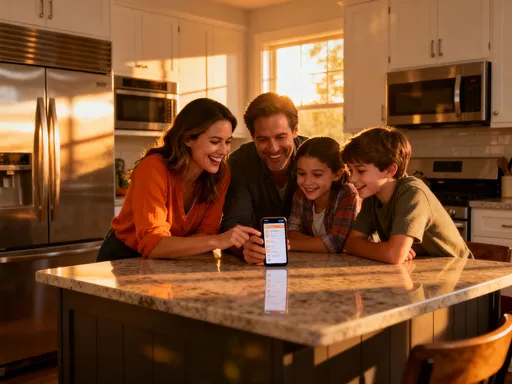
What surprised me wasn’t just the energy saved—it was how these little messages changed our conversations. One night, my partner saw the light alert and said, "Oh, I forgot the kitchen light! Thanks for the nudge." No defensiveness. No frustration. Just a shared moment of awareness. Another time, my daughter asked, "Did we really save 8 kWh? What’s that mean?" That opened a whole chat about energy and habits. The tech didn’t replace talking—it made our talks easier, lighter, and more connected.
We started referring to our home as "smarter together." We’d celebrate small wins: "Look, the house cooled down on its own before bedtime!" Or "The router saved energy while we were at dinner." It became less about blame and more about teamwork. The devices weren’t policing us—they were helping us care for our home as a family. And that shift? It wasn’t just about watts. It was about warmth.
Teaching Kids the “Why” Behind the Switch
Getting kids to care about energy used to feel like an uphill battle. "Turn off the lights!" "Unplug your tablet!" "Stop leaving the fridge open!" The more I repeated it, the more it felt like nagging. And the truth is, to a 10-year-old, "saving energy" sounds abstract. It’s not like cleaning their room—there’s no immediate payoff. No visible mess to clear.
Then I tried linking energy-saving modes to things they already loved. I showed them a colorful graph in the home app that showed how much power we saved each day. I called it our "green points" chart. Every time a device powered down automatically, we’d earn points. When we hit 50 points, we’d pick a small family reward—like choosing the movie for Friday night.
I also used visual timers. On their tablets, I set up a gentle animation that appears after 45 minutes: a tree slowly growing as they use less power. If they pause their game and let the tablet sleep, the tree blooms. It’s not a punishment—it’s a story. One night, my son said, "I let my tablet sleep early so the tree could grow faster." That hit me right in the heart. He wasn’t just following a rule. He was part of something.
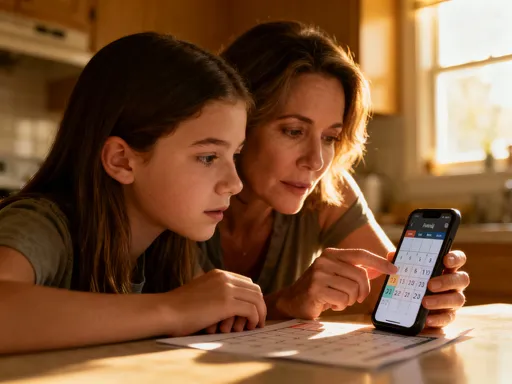
We even turned it into a bedtime ritual. Before lights out, we’d check the app together. "Did the kitchen lights turn off?" "Did the router go to sleep?" "How many green points did we earn?" It became a moment of connection, not correction. And over time, the habits stuck. Now, my daughter reminds *me* if I forget to enable eco mode on the thermostat. "Mom, the house needs to rest too," she’ll say with a smile. And she’s right. It’s not just about saving money. It’s about teaching care—one small setting at a time.
The Ripple Effect: Less Waste, More Calm
The first electric bill after I made the changes came in 18% lower. I did a double-take. That wasn’t just a number—it was freedom. It meant we could put that money toward a weekend trip, or save it for something unexpected. But honestly? The real gift wasn’t the savings. It was the quiet.
I used to carry a low-level hum of worry—"Did I leave something on?" "Is the heater running all day?" "Are we wasting energy without even knowing?" It was like background noise in my mind, always there. But once I set up automatic energy-saving modes, that noise started to fade. I didn’t have to remember everything. The house was helping.
And that mental space? It opened up room for other things. I found myself more present during dinner. I had more patience when the kids were arguing over homework. I even started reading again—something I hadn’t done regularly in years. It’s strange to think that a thermostat setting could give me back time, but it did. Because when you’re not constantly managing small stressors, you have more energy for what matters.
There’s also a quiet pride that comes with knowing we’re living more thoughtfully. I don’t mean perfection—I still forget things. But now, I feel like we’re moving in the right direction. The house isn’t just a place we live. It’s a partner in how we live. And that shift has brought a gentler rhythm to our days. Mornings feel smoother. Evenings feel calmer. And there’s a sense that we’re not just surviving the chaos of daily life—we’re designing a home that supports us, not drains us.
Making It Easy: Small Steps Anyone Can Start Tonight
You don’t need a degree in engineering or a closet full of smart gadgets to make this work. I started with just three devices—ones most households already have. And I promise: you can set them up in less than 20 minutes, even if you’re not tech-savvy.
First, the thermostat. Open the app or menu and look for "schedule" or "eco mode." Set it to lower the temperature by 5–7 degrees when everyone’s asleep or away. Most systems let you do this with just a few taps. Name the schedule something simple, like "Family Time" and "Quiet Hours." That way, it feels personal, not technical.
Next, the lights. If you have smart bulbs or plugs, find the "auto-off" or "motion sensing" option. Set it to turn off after 15–30 minutes of no movement. Pick one room to start—maybe the kitchen or living room. Test it for a few days. If it feels too soon, adjust the timer. The goal isn’t rigidity. It’s support.
Finally, the router. Look for "sleep mode" or "scheduled downtime" in the settings. Set it to reduce power between 11 p.m. and 6 a.m., when most of the family is asleep. You can still wake it remotely if needed, but it’ll save energy during quiet hours. Some routers even let you pause kids’ devices at bedtime—another bonus for family routines.
The key is to start with one change. Try it for a week. Notice how it feels. Did you forget to turn off the lights? Did the house stay comfortable? Did someone comment on the quieter energy use? Then add another. Small steps build confidence. And confidence builds lasting habits. You don’t have to do it all at once. You just have to begin.
More Than Savings: A Smarter, Softer Way to Live
This journey taught me something unexpected: technology doesn’t have to be cold or complicated. When used with care, it can be warm, human, and deeply supportive. Energy-saving mode isn’t just about reducing power. It’s about increasing presence. It’s about creating a home that helps you breathe easier, worry less, and live more fully.
I used to think smart settings were for people who loved gadgets. Now I see they’re for people who love their families. They’re for anyone who wants to spend less time managing chores and more time making memories. They’re for moms who are tired of being the only one who remembers, for partners who want to share the load, for kids who are learning to care for their world.
What started as a single notification turned into a shift in how we live. Our home feels more intentional now. More peaceful. More *us*. And the best part? It didn’t require a renovation, a budget overhaul, or a tech upgrade. It just took noticing, trying, and trusting that small changes can grow into something meaningful.
If you’ve ever looked at your devices and thought, "I’ll figure it out later," I get it. But what if "later" started tonight? What if one small setting—just one—could help your home feel a little lighter, a little calmer, a little more in tune with your life? You don’t have to change everything. You just have to begin. And sometimes, the quietest changes make the loudest difference.