From Hobby Chaos to Creative Calm: How Project Management Tools Set My Passions Free
You know that hobby you keep meaning to dive into—painting, gardening, playing guitar—but it never quite happens? I felt the same, until I stopped treating my passions like afterthoughts. What if the tools built for boardrooms could help me finally do what I love? Turns out, organizing my hobby life wasn’t about more time—it was about better design. I wasn’t lazy. I wasn’t failing. I just needed a simple way to turn dreams into doable steps. And that’s exactly what happened when I brought a little tech into my personal life—not to complicate things, but to finally make room for joy.
The Hidden Struggle Behind Every Unfinished Hobby
Let’s be honest—how many hobbies do you have tucked away in the corners of your life? Maybe it’s that watercolor set still in its box, the ukulele leaning against the closet, or the dream of growing your own herbs on the windowsill. I’ve been there, more times than I can count. I’d buy supplies with excitement, promise myself this time it’ll stick, and then… life happened. The paints dried. The strings went flat. The seed packets sat unopened. And with each abandoned project came a quiet whisper of guilt: Why can’t I follow through?
But here’s what I’ve realized: it wasn’t about willpower. It wasn’t about being too busy or not trying hard enough. The real issue was structure—or the lack of it. When we treat hobbies like spontaneous treats, they become the first thing to go when the week gets hectic. We don’t plan for them, we don’t protect time for them, and we definitely don’t celebrate the small steps. So instead of feeling fulfilled, we end up feeling like we’re failing at our own fun.
I remember standing in my kitchen one Sunday, staring at a jar of sourdough starter I’d forgotten to feed for three days. I had watched countless videos, read baking blogs, and even bought a fancy Dutch oven. But here I was—again—letting something I truly wanted to learn slip through my fingers. That moment hit me hard. I wasn’t just failing at baking. I was failing to honor a part of myself that craved creativity and calm. And that’s when I asked myself: What if I stopped waiting for motivation and started building a system instead?
Discovering the Unexpected Tool: Project Management for Personal Joy
Now, I know what you’re thinking. Project management? Isn’t that for people in suits, managing spreadsheets and deadlines? That’s exactly what I thought—until a friend mentioned she used a visual planning app to organize her weekend gardening. Wait, you use Trello for plants? I asked, half-joking. She laughed and said, Why not? It helps me remember when to water, when to prune, and it even makes me excited to check things off.
Skeptical but curious, I downloaded a simple, user-friendly platform—one with color-coded boards, drag-and-drop lists, and the ability to add photos and notes. I didn’t use it for work. I used it for me. And something shifted almost immediately. Instead of seeing organization as rigid or corporate, I started seeing it as a form of self-care. This wasn’t about turning my hobby into a job. It was about giving my passion the space and attention it deserved.
The first board I made was for sourdough. I named it My Bread Journey and picked a warm, golden background image. I didn’t add pressure-filled deadlines. I didn’t assign complex metrics. I just created three simple lists: Ready to Start, In Progress, and Successes (Even the Messy Ones). Just doing that felt like a breath of fresh air. For the first time, my hobby had a home—a place where it wasn’t competing with grocery lists or work emails. It was front and center. And that small act of intention changed everything.
Mapping the Hobby: Breaking Passion into Playful Steps
One of the biggest reasons hobbies fail is because they feel too big. Learn to bake sourdough sounds exciting in theory, but when you’re standing in the kitchen at 8 p.m. after a long day, it feels overwhelming. Where do you even begin? That’s where project tools shine. They help you break down the dream into doable, delightful steps.
So I started simple. In my Ready to Start list, I added: Create sourdough starter. Then I broke that down further: Buy flour, get a jar, feed every 12 hours. I added a note: Name your starter? Maybe ‘Bubblina’?—because joy matters. When I moved Starter is bubbly and active to the In Progress column, I felt a tiny spark of pride. This wasn’t work. It was play with purpose.
The beauty of using a visual board is that it grows with you. I added a card for First attempt: discard half, feed, wait. Then another: Shape the dough—be gentle, it’s alive!. I uploaded a photo of my lopsided loaf with the note: Looks like a pancake, tastes like victory. Over time, those small actions built momentum. I wasn’t just baking bread. I was building confidence. And the tool wasn’t bossing me around—it was cheering me on, one sticky, flour-covered step at a time.
Here’s the secret no one tells you: structure doesn’t kill creativity. It frees it. When you’re not wrestling with confusion or forgetting the next step, you can actually enjoy the process. You’re not overwhelmed. You’re guided. And that makes all the difference.
Scheduling Joy: Making Space Without Sacrifice
We all say we don’t have time. But the truth is, we make time for what we value. The problem? Hobbies often feel like luxuries, not priorities. So they get pushed aside for laundry, emails, or yet another episode of a show we’re only half-watching. But what if we treated our joy with the same respect as a doctor’s appointment or a work meeting?
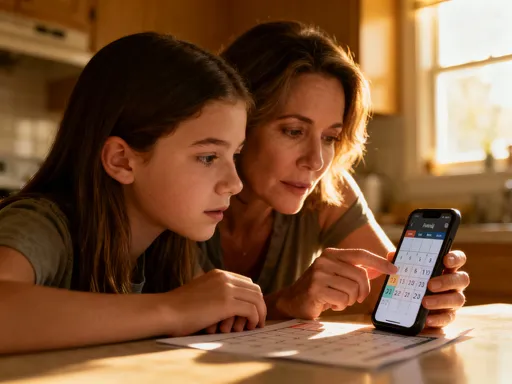
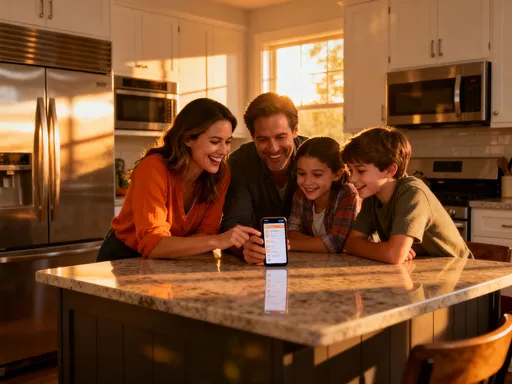
That’s exactly what I started doing. Using the same app, I created recurring calendar events called Joy Blocks—30 to 60 minutes, two or three times a week, just for me. I blocked them like I would any important commitment. And when my husband saw Sourdough Feeding + Stretch & Fold on the shared family calendar, he joked, Is that a board meeting? I laughed and said, Better. It’s self-care.
But here’s what surprised me: when my hobby became visible, it became supported. My daughter started asking, Is today bread day? My husband offered to set a timer for folds. Even my mom texted, How’s Bubblina doing? By giving my passion a time and a place, I wasn’t stealing time from my family—I was modeling what it means to care for yourself. And that, in turn, made everyone around me more willing to protect their own joy.
The tool helped me see something powerful: time for hobbies isn’t lost time. It’s restorative. It’s where I recharge, create, and reconnect with who I am outside of mom, wife, employee. And when you schedule it, honor it, and share it, it stops being a guilty secret and starts being a celebrated part of your life.
Tracking Progress That Feels Good, Not Gloating
Most of us hate tracking. It feels like school, like we’re being graded. But what if progress tracking wasn’t about perfection—just presence? That’s the shift I made. Instead of focusing on how many loaves I baked or how perfect the crumb was, I celebrated showing up. And my project board became a scrapbook of small wins.
I added photos to my cards—my first bubbly starter, my sad flat loaf, my first golden, crackly masterpiece. I wrote notes like, Used my hands instead of the mixer—felt amazing, or Forgot to preheat the oven… but still edible! There were no stars or performance reviews. Just honest, joyful记录 of a journey. And that made all the difference.
One evening, I scrolled back through my board and realized I’d baked 18 loaves in two months. Eighteen! I hadn’t even been counting. But there it was—proof that consistency, not intensity, builds mastery. And the best part? I wasn’t doing it for Instagram. I wasn’t comparing myself to others. I was doing it for me. The tool didn’t create pressure. It created pride—quiet, personal, deeply satisfying pride.
That’s the magic of tracking with heart. It’s not about proving anything to anyone. It’s about reminding yourself: I showed up. I tried. I grew. And in a world that often measures worth by output, that kind of internal validation is revolutionary.
Sharing the Journey: From Private Passion to Community Connection
For years, I kept my hobbies to myself. I thought, No one cares about my bread, or I’m not good enough to share. But when I started using a shared board, something beautiful happened. I invited my best friend to view my gardening project. I didn’t ask for feedback. I just said, Want to see what I’m growing? And she replied, Yes! And can I add a card for marigolds? I love them.
That small act turned a solo project into a shared adventure. We planned a weekend planting day. We texted photos of seedlings. We celebrated when her marigolds bloomed. The app wasn’t cold or technical—it was a bridge. It made it easy to invite others in, not as critics, but as companions.
Then I shared my painting board with my sister. She’d always wanted to draw but said she ‘had no talent.’ I showed her my messy watercolor attempts and said, Look, mine are terrible too. Want to try together? We set up a weekly video call—Paint & Chat. No rules. No pressure. Just color, music, and laughter. The app held our plans, our inspiration photos, our favorite brushes. But the real magic happened off-screen, in the connection we rebuilt through creativity.
Technology often gets blamed for pulling us apart. But when used with intention, it can bring us closer. It can make the invisible visible. It can turn private passions into shared joys. And sometimes, it can even help heal relationships—by giving us a simple, joyful way to say: I see you. Let’s create something together.
The Ripple Effect: How Organized Hobbies Transformed My Whole Life
I didn’t start this journey to change my life. I just wanted to bake a decent loaf of bread. But what I found was so much bigger. By giving my hobbies structure, I gave myself permission—to slow down, to create, to fail, to try again. And that small shift rippled out into every part of my life.
At work, I was calmer, more focused. I wasn’t carrying the weight of unfinished passions anymore. At home, I was more present. I wasn’t distracted by guilt or frustration. I was sleeping better. I was smiling more. My daughter said, You seem lighter lately. And she was right. I had stopped treating myself like a to-do list and started treating myself like a person.
The tool didn’t do the work for me. I did. But it gave me a way to show up for myself—consistently, kindly, and with joy. It taught me that productivity isn’t just about output. It’s about balance. It’s about making space for what lights you up, even when it doesn’t ‘count’ on a resume.
Today, my board has new projects: a memoir writing challenge, a family recipe collection, a meditation habit. Each one starts with a simple list, a soft deadline, a photo of inspiration. And each one reminds me: I am allowed to grow. I am allowed to play. I am allowed to take up space with my dreams.
So if you’ve been putting off that thing you love, I’ll leave you with this: it’s not about finding more time. It’s about designing your life in a way that makes room for joy. Try using a simple tool—not to add pressure, but to remove friction. Break your dream into tiny, tender steps. Schedule time like it matters—because it does. Share it, celebrate it, and let it change you.
You don’t need to be perfect. You just need to begin. And sometimes, all it takes is a single card on a board: Start here. You’ve got this.