I can’t keep up with everything — How local life apps finally gave me my time back
Life moves fast, and trying to manage errands, meals, family schedules, and personal time often leaves us overwhelmed. I used to feel like I was always one step behind—until I discovered how simple local life apps could transform my daily routine. This isn’t about fancy tech or complicated tools. It’s about real, practical solutions that quietly simplify life. If you're tired of juggling too much, let me show you how these everyday apps helped me regain control—without stress or extra effort.
The Breaking Point: When Daily Life Felt Like Too Much
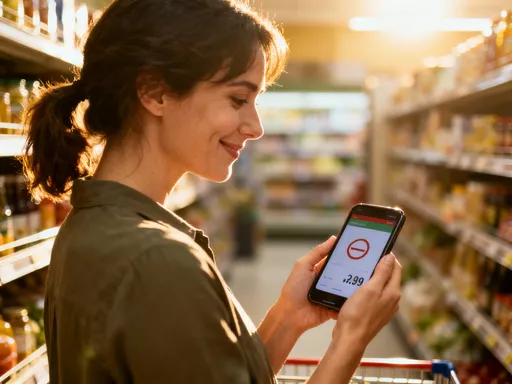
I remember standing in the grocery store, rain pouring outside, realizing I’d forgotten my shopping list—again. My kids needed school supplies, the dog’s food was running low, and I still had to pick up my sister’s birthday gift before the mall closed. But there I was, staring blankly at the cereal aisle, mentally scrolling through everything I was forgetting. That moment wasn’t just frustrating; it symbolized how scattered my days had become. I wasn’t failing because I didn’t care—I cared too much. I was trying to hold everything together, but the weight of the little things was crushing me.
Between work deadlines, my children’s after-school activities, doctor appointments, and the endless cycle of laundry and dishes, I felt like I was running a marathon with no finish line. The real problem wasn’t laziness or poor planning—it was a lack of smart support. I didn’t need another planner or a color-coded calendar. I needed something that could keep up with life as it actually happened: messy, unpredictable, and full of last-minute changes. I needed help that fit into real life, not another complicated system that required hours to learn.
What I didn’t realize then was that I wasn’t alone. So many women I talk to—moms, partners, caregivers—feel the same. We’re not behind; we’re just carrying too much invisible weight. The mental load of remembering everything—from when the trash goes out to whether the vet appointment was confirmed—drains our energy before the day even starts. And the worst part? No one sees it. We don’t get praised for remembering to renew the car insurance or noticing the lightbulb in the hallway burned out. But when we forget? That’s when it’s noticed.
That rainy afternoon in the grocery store was my breaking point. I left without half the things I needed, picked up the kids late, and served frozen pizza with a side of guilt. But that night, as I sat on the couch with a cup of tea, I made a quiet promise to myself: I was going to find a better way. Not a perfect way—just a way that let me breathe again.
Discovering the Power of Local Life Apps
My turning point came during a coffee chat with my friend Lisa. We were catching up, talking about how tired we both felt, when she casually mentioned how she used one app to handle groceries, laundry pickup, and even pharmacy refills—all without opening multiple websites or making a single phone call. I remember looking at her, half-joking, saying, “You’re not human, right? How do you even have time for that?” She just smiled and said, “I don’t. That’s the point. The app does it for me.”
Skeptical but desperate, I downloaded the same local services app she used. I expected something flashy, full of buttons and menus I’d need a tutorial to understand. But what I found was surprisingly simple. The home screen showed icons for nearby services: grocery delivery, home cleaning, dry cleaning, pharmacy, even handyman help. It felt less like tech and more like a helpful neighbor who already knew what I needed.
I started small. I ordered a grocery delivery for that week—just milk, bread, and a few fruits. I set it for a time when the kids were napping, and I didn’t have to rush. When the doorbell rang, I opened it to find a smiling delivery person with my order neatly packed and left at the door. No traffic. No parking. No forgetting the reusable bags. And no guilt about not making it to the store.
What surprised me wasn’t the convenience—it was how much lighter I felt. That one small win made me curious. I tried scheduling a laundry pickup. Then I booked a weekend cleaning. Each time, the process was straightforward: select the service, choose a time, confirm, and done. No back-and-forth texts. No wondering if the cleaner had arrived. The app sent updates, like “Your groceries are being packed” or “Your cleaner is on their way,” so I always knew what to expect.
These apps aren’t about innovation for innovation’s sake. They’re designed to solve real, immediate problems—like finding a last-minute plumber when the sink leaks or booking a weekend cleaner before company arrives. And because they connect you to local providers, the service feels personal, not robotic. The woman who picks up my dry cleaning knows my usual order. The grocery shopper texts me if my favorite brand is out of stock and suggests a replacement. It’s not cold automation—it’s support that feels human.
From Overwhelm to Organization: Managing Errands with Ease
One of the biggest sources of daily stress is the “little stuff”—picking up dry cleaning, returning library books, scheduling a home repair, or dropping off a package. These tasks don’t take long individually, but together, they create mental clutter. I used to keep a running list in my notes app, but I’d still forget things. Or I’d remember too late—like when I got to the dry cleaner at 6:05 p.m., five minutes after they closed.
Now, I use an all-in-one local services app that lets me book, track, and pay for errands in minutes. I can schedule a package pickup from my porch, book a plumber for a leaking faucet, or order a last-minute gift with same-day delivery. The app remembers my addresses, payment methods, and preferences, so I don’t have to. And because everything is in one place, I don’t waste time switching between apps or websites.
Here’s how I set up my system: I identified the three errands I hated most—dry cleaning, grocery shopping, and home maintenance. Then I picked one service at a time to automate. For dry cleaning, I scheduled a weekly pickup every Tuesday. The driver comes, collects my clothes, and delivers them back fresh by Friday. For groceries, I set up a recurring order for basics like milk, eggs, and bread, so I never run out. And for home repairs, I saved a few trusted local handymen in the app, so when something breaks, I can book help in under two minutes.
The key to making this work is choosing reliable providers. I read reviews, checked ratings, and even called a few services before trusting them through the app. I also started small—using the app for one errand a week—so I could build confidence. Now, I don’t think twice about scheduling a task. It’s become as normal as setting a reminder.
The result? Fewer distractions, more peace of mind. I no longer carry the mental weight of “I need to do that later.” That space in my brain? I’ve used it to finally start that novel I’ve been meaning to read, and I’ve even taken up yoga on Saturday mornings. Turns out, when you stop spending energy on the little things, you have more for the big things.
Smarter Meals, Less Stress: How Food Delivery Apps Changed Dinner
Dinnertime used to be the hardest part of my day. “What’s for dinner?” wasn’t just a question—it was a daily crisis. I’d stand in front of the fridge, staring at half-used jars and wilted vegetables, trying to piece together a meal that everyone would eat. I tried meal kits, but they often arrived late or with missing ingredients. I downloaded recipe apps, but by the time I found one I liked, I was too tired to cook. And the grocery runs? They always seemed to happen after work, when I was hungry, stressed, and tempted to buy junk food just to get home faster.
Then I changed my mindset. I stopped seeing food delivery as a splurge or a sign of failure. Instead, I started seeing it as a time investment—one that gave me back energy, reduced stress, and actually improved my family’s eating habits. I began using local food delivery apps to order from neighborhood restaurants, explore healthy options, and even get ingredients delivered for simple meals.
Here’s how I balance cost, nutrition, and convenience: I set a weekly budget—say, $75—for delivery meals. That’s about three dinners, which means I’m still cooking four nights a week. But those three nights are the ones when I’m most exhausted—after late meetings, during busy school weeks, or when someone’s sick. On those nights, I can open the app, browse menus from trusted local spots, and have a hot, balanced meal at the table in 30 minutes.
I also use the app to discover healthier options. One of my favorite finds was a small Mediterranean place that delivers grain bowls with roasted vegetables and grilled chicken. My kids love them, and I feel good knowing they’re eating real food. I even use the app to order groceries when I need just a few ingredients—like when I realize I forgot garlic for tonight’s pasta. Instead of driving to the store, I can have it delivered in an hour.
The real win? Reclaiming time. That 30 to 60 minutes I used to spend cooking, cleaning, and deciding what to make is now mine. I’ve used it to help my daughter with homework, take a walk with my husband, or just sit quietly with a cup of tea. And over time, those small moments added up to more energy, better moods, and a calmer home. Dinner isn’t a crisis anymore—it’s just dinner.
Family Coordination Made Simple
Keeping track of my kids’ schedules, school events, doctor appointments, and household needs used to require a notebook, sticky notes, and constant texting. I had lists everywhere—on the fridge, in my purse, on my phone. But things still slipped through the cracks. I’d forget to pack a costume for show-and-tell or miss a PTA meeting because I didn’t see the email until it was too late.
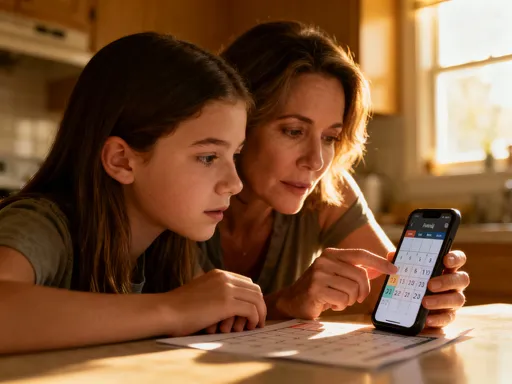
Now, our whole family uses shared task lists and location-based reminders in a local life app. I created a shared family profile where we all have access to important tasks and schedules. When my son has a soccer game, it shows up on everyone’s phone. When my daughter needs a permission slip signed, I get a reminder, and I can set a geo-alert to notify me when I’m near the school so I remember to drop it off.
One of my favorite features is the location-based reminder. For example, I set one to “Pick up snacks” and tagged it to the grocery store. Now, when I drive past the store, my phone gently buzzes: “Don’t forget the snacks for Friday’s party.” It’s not nagging—it’s support. And because the kids are older now, they add their own tasks too. My daughter reminds herself to return her library book, and my son schedules his science project supplies pickup.
We also link our calendar to real-world services. When we have a busy week, I book a cleaning service for Saturday morning so the house is fresh without me lifting a finger. If someone’s sick, I can quickly order medicine delivery instead of dragging them to the pharmacy. It’s not about surveillance or control—it’s about making sure we’re all supported, especially on the days when life feels overwhelming.
This system hasn’t just made us more organized—it’s brought us closer. We’re not constantly asking, “Did you do this?” or “Did you remember that?” We trust the system, and that trust has reduced tension at home. My kids feel more responsible, and I feel less like a manager and more like a mom.
The Hidden Benefit: More Time for Myself
The real reward wasn’t just efficiency—it was the return of personal time. For years, I told myself I didn’t have time to read, exercise, or even take a long bath. “Maybe someday,” I’d say. But “someday” never came. Then, as I started using these apps to handle the daily grind, I noticed something surprising: I had pockets of time I hadn’t had in years.
At first, I didn’t know what to do with them. I’d finish an evening task early and just sit, wondering if I’d forgotten something. But slowly, I began to reclaim those moments. I started reading before bed—real books, not just articles on my phone. I joined a local walking group and now meet friends every Wednesday morning. I even started painting again, something I hadn’t done since college.
I realized that these apps weren’t making me lazy—they were giving me space to breathe. The mental load I’d been carrying for years had quietly drained my joy, my energy, and my sense of self. By offloading the small, repetitive tasks, I wasn’t avoiding responsibility—I was making room for what matters.
And the emotional impact has been huge. I’m less irritable. I laugh more. I have more patience with my kids and more presence with my husband. I’m not just surviving the day—I’m enjoying it. These apps didn’t give me more hours in the day, but they gave me back the quality of those hours. That’s worth more than I ever expected.
Making It Work for You: Simple Steps to Start
You don’t need to overhaul your life to benefit. I didn’t. I started with one pain point—one thing that made me sigh every time I thought about it. For me, it was grocery shopping. For you, it might be laundry, meal planning, or remembering appointments. Pick that one thing. Then, choose one app that solves it. Search for local services apps in your area, read reviews, and try it for just one week.
When evaluating an app, ask yourself: Is it easy to use? Does it connect to real, local providers? Are the reviews consistent? And most importantly, does it save you time and reduce stress? Don’t worry about doing everything at once. Start small. Book one delivery. Schedule one service. See how it feels.
Also, protect your privacy. Use strong passwords, enable two-factor authentication, and only share necessary information. Most reputable apps don’t sell your data, but it’s smart to read the privacy policy. And to avoid app overload, stick to one or two that cover multiple services instead of downloading ten different ones.
The goal isn’t perfection—it’s progress. Some weeks, I still forget to schedule the cleaner. Some days, I cook from scratch because I feel like it. That’s okay. The point isn’t to automate every moment. It’s to create a little more ease, a little more breathing room, a little more joy in your everyday life.
Conclusion: Technology That Truly Serves Your Life
These apps didn’t change my life because they were flashy or futuristic. They changed it because they were *there* when I needed them. The best technology doesn’t demand attention; it quietly supports it. It doesn’t make you feel behind—it helps you catch up. By choosing tools that align with real daily needs, we can all live with a little more ease, clarity, and joy.
If you’re feeling overwhelmed, know this: you’re not failing. You’re just carrying too much. And it’s okay to ask for help—even if that help comes in the form of an app. Small digital tools can lead to big shifts. They can give you back time, energy, and space to be the person you want to be—not just the one who does everything.
So take a breath. Pick one thing. Try one app. You might just find, like I did, that the life you’ve been wishing for is already within reach.