What If You Could Relive Every Friendship Moment Without Lifting a Finger?
Remember that coffee chat with your closest friend last month? The laughter, the stories, the little things you didn’t want to forget—but probably already have. We’ve all been there. Friendships thrive on shared moments, yet so often, those memories slip away in the chaos of daily life. Kids’ schedules, work deadlines, grocery runs—it all adds up. What if the way you plan get-togethers could also quietly preserve every meaningful connection—without extra effort? What if technology could help you hold on to the warmth of those moments, not just the date and time of the next meetup?
The Hidden Cost of Forgetting Friend Gatherings
Let’s be honest—how many times have you left a lovely afternoon with a dear friend and thought, “That was so good. I wish I could remember exactly how she laughed at that one joke”? A week later, you can’t quite recall what made it so special. The truth is, we invest so much in making time for our friends, but we rarely invest in remembering those times. And that’s a quiet loss. Those shared laughs, the comforting words during a tough day, the silly stories from childhood—these aren’t just passing moments. They’re the building blocks of deep, lasting friendship.
When we forget them, something subtle shifts. We start to feel a little disconnected, even if we see each other regularly. The emotional texture of the relationship can fade. You might still meet for brunch every few months, but the sense of closeness can feel harder to reach. It’s not because you care less—it’s because memory shapes connection. Studies in psychology show that recalling positive shared experiences strengthens emotional bonds and increases feelings of trust and belonging. When we forget, we lose more than just a story. We lose a piece of the emotional glue that holds friendships together.
And it’s not just about nostalgia. Remembering helps us feel seen and valued. Think about the last time a friend brought up a moment you’d almost forgotten: “Remember when we got caught in the rain and had to run into that tiny bookstore?” That simple recall isn’t just a trip down memory lane—it’s a message: “I remember you. I remember us.” That kind of recognition feeds the soul, especially in midlife, when so much of our energy goes to others—our kids, our jobs, our homes. Friendship memories are a reminder that we, too, are held in someone else’s heart.
Why Planning and Remembering Should Go Hand in Hand
We already do so much to make friend time happen. We check calendars, text back and forth, pick the café with the best parking. Why not let that same planning energy also protect the memory of the moment? The good news is, it doesn’t have to be extra work. In fact, the most meaningful memory-keeping can begin before the meetup even happens.
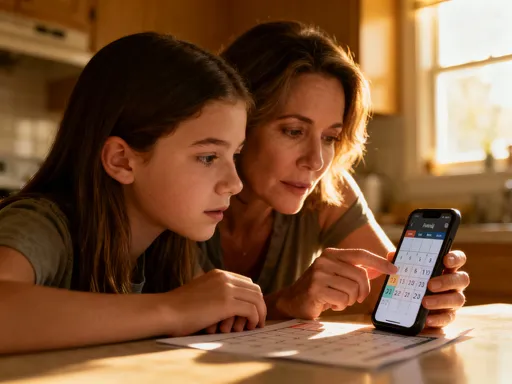
Think about it: when you schedule a coffee date, you’re already using technology—your phone calendar, maybe a reminder app. What if that same calendar could become a little time capsule? A simple note like “Sarah laughed so hard she snorted at the poodle story” turns a dry event title into a warm memory. Or imagine automatically saving photos from your phone into a shared album labeled with the date and names. That way, when the day is over, the memory is already safe.
This isn’t about turning every hangout into a documented event. It’s about letting the tools you already use do double duty—helping you plan *and* helping you preserve. One mom I know started adding a voice memo to her calendar after each friend meetup. Just 30 seconds: “That was such a good talk. So glad we finally caught up.” Months later, when she’s feeling isolated, she listens back. “It’s like having a hug in my pocket,” she said. That’s the power of combining planning with memory. It turns logistics into legacy.
The Right Tech Makes It Effortless
You don’t need to become a tech expert or buy a new gadget. The best tools for preserving friendship moments are the ones you’re already using—they just need a small shift in how you use them. The goal isn’t perfection. It’s consistency. It’s about letting technology work quietly in the background, like a helpful friend who tidies up while you enjoy the party.
Take cloud photo libraries, for example. If you have an iPhone or Android, your photos are likely already backed up to iCloud or Google Photos. But are they organized in a way that makes memories easy to find? Try creating shared albums with your closest friends. Name them after the hangout: “Lunch at the Garden Café – May 2024.” Invite your friend to add her photos too. Over time, these albums become a shared history. No extra effort—just a few taps when you set it up, and then it runs on its own.
Another simple tool? Your calendar notes. Most calendar apps let you add details to an event. Instead of just “Coffee with Lisa,” add a line like “Lisa told that hilarious story about her dog eating her yoga mat.” Months later, when you see the event pop up, that little note brings the whole moment back. You don’t need to write a novel—just one sentence that captures the feeling.
And if you love voice, try using voice memos. After a meaningful conversation, record a quick note: “Just left my talk with Maya. She reminded me how strong I am.” Save it in a folder called “Friendship Moments.” You can even set up automatic backups so you never lose it. These tools aren’t flashy, but they’re powerful because they fit into your life. They don’t ask for more time—they protect the time you’ve already given.
Building a Shared Memory Space with Friends
Friendship isn’t a solo act—it’s a duet, a trio, a chorus. So why should memory-keeping be something you do alone? Creating a shared digital space with your friends turns memory into a joint project. It’s not about posting for the world to see. It’s about building a private corner of the internet where your friendship lives and grows.
One group of friends I know started a private WhatsApp group just for their monthly meetups. After each gathering, someone shares a photo or a quick voice note: “That was the best scone I’ve ever had.” Another time, someone sent a snippet of a song they played during their picnic. Over time, that chat became a scrapbook of their friendship. They don’t look at it every day, but when one of them is going through a hard time, they scroll back and remember how much joy they’ve shared.
You can do this in many ways. A shared Google Drive folder with photos and notes. A private Instagram account just for your friend group (yes, that’s a thing!). Or even a simple email thread you keep replying to with updates and memories. The key is that it’s *yours*—a space where you can say, “Remember when?” and someone else says, “Yes! And remember what you said next?”
This kind of shared memory space does something beautiful: it makes friendship feel continuous. Life pulls us in different directions, but when you can revisit a moment from six months ago with a click, it’s like the connection never broke. It’s not about reliving the past—it’s about carrying it forward. And when you do that together, the bond deepens. You’re not just remembering—you’re reaffirming: “We matter. We’ve mattered. We still do.”
How Small Habits Create Lasting Keepsakes
You don’t need to record every word or save every photo. In fact, trying to capture everything can make you miss the moment. The secret is small, sustainable habits—tiny actions that take seconds but add up over time. Think of them as little love notes to your future self and your friendship.
One habit: take one photo at every meetup—not of everyone posing, but of something that captures the feeling. The half-eaten muffin on the plate. The sun hitting the table. Your friend’s hands gesturing wildly as she tells a story. That single image can unlock the whole memory later. Another habit: send a quick message right after you part ways. “So glad we talked today. That advice about the school project was a game-changer.” Save a copy in a folder, or even pin it in your notes app. It’s not just a text—it’s a memory anchor.
Or try this: once a month, spend five minutes looking back at your calendar. Find one friend meetup from the past month and add a memory note. What made it special? What did you talk about? How did you feel? This simple act turns your calendar into a journal. You don’t need to do it perfectly. Even if you only remember one thing—“We both cried a little”—that’s enough. Those fragments become treasures over time.
One woman I spoke with started a “Friendship File” on her phone. Every time she had a meaningful moment with a friend, she added a note: a quote, a photo, a voice memo. Now, when she’s feeling lonely or overwhelmed, she opens the file and reads a few entries. “It’s like my heart gets a snack,” she said. These habits aren’t about productivity. They’re about presence. They help you savor what matters, not just survive the day.
When Tech Serves Emotion, Not Distraction
Let’s pause for a moment. This isn’t about spending more time on your phone. In fact, it’s the opposite. The goal is to use technology in a way that deepens your real-life connections, not replaces them. We’ve all seen the sad sight of friends at a table, all looking at their screens. That’s not what this is about.
The key is intention. Use tech *after* the moment, not during. Take the photo when the laughter happens, but don’t spend the whole lunch trying to get the perfect shot. Send the voice memo on your way home, not while your friend is talking. Let technology serve the memory, not steal the moment.
You can even build in “tech-light” times. Maybe you agree with your friend: “Phones in the bag for the first 30 minutes.” That way, you’re fully present. Then, later, you can share a photo or add a note—mindfully, without guilt. One group of friends has a rule: no phones during dessert. That’s their sacred time to just talk. Afterward, they might share a photo of their empty plates with a silly caption. Balance is everything.
And remember: not every moment needs to be saved. Some are meant to be lived and released. The beauty of small habits is that they let you preserve what truly matters without pressure. You’re not curating a highlight reel for the world. You’re tending a quiet garden of connection, just for you and your friends. When tech serves emotion like this, it stops being a distraction and starts being a tool for love.
Turning Moments into Meaning Over Time
Here’s the magic no one tells you about: when you start preserving friendship moments, something shifts over time. It’s not just about remembering a laugh or a story. It’s about seeing your life unfold through the lens of connection. Years later, you can look back and see how these moments shaped you—how a simple chat helped you through a hard season, how a friend’s words gave you courage, how shared silence was just as meaningful as shared words.
One woman told me she went through her shared photo album with her best friend after 15 years. “I forgot how much we’ve been through,” she said. “The breakups, the babies, the moves, the losses. And through it all, we kept showing up.” That album wasn’t just a collection of images. It was a testament to resilience, to loyalty, to love. It reminded her that she wasn’t alone—that she had a witness, a companion, a safe place.
And that’s the deepest gift of preserving friendship moments: it builds a sense of continuity in a world that often feels fragmented. When you can revisit the past, you carry it with you. You remember who you’ve been, who’s walked beside you, and what’s carried you through. That’s not just memory—it’s identity. It’s gratitude. It’s strength.
So yes, plan your next coffee date. But also, let that plan be the beginning of a memory. Use the tools you have, in small, kind ways, to honor what matters. Because one day, you’ll be the one saying, “Remember when?”—and you’ll be so glad you do.