From Frantic to Focused: How Video Calls Gave My Day Back
Have you ever felt like your day is a series of unfinished conversations? I used to juggle calls, messages, and meetings across different apps—until video chat became my anchor. It wasn’t about the technology, but how it quietly reorganized my life. No more missed updates from home, chaotic work check-ins, or scheduling nightmares. The shift was subtle, but real: clearer communication, calmer routines, and more time for what truly matters. This is how it happened.
The Chaos Before: When Communication Felt Like a Full-Time Job
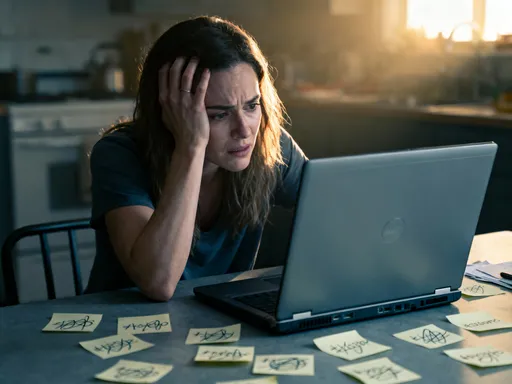
There was a time when just staying in touch felt like another job. Not a fun one—more like the kind where you’re constantly behind, scrambling to catch up. I remember one Tuesday morning when I was trying to coordinate dinner plans with my sister, confirm a school pickup with my cousin, and respond to a work request—all before my coffee cooled. I sent three texts, left two voice messages, and still got a reply saying, "Did you get my note?" I had. But in the mess of apps and notifications, it got buried. That was life: fragmented, loud, and emotionally draining.
Every conversation felt like it started mid-sentence. I’d open a messaging app and scroll back through ten exchanges just to remember what we were talking about. Family updates came in drips—a photo here, a quick "all good" there. Work check-ins were worse. I’d send an email, wait hours, then get a one-line reply that raised three more questions. And because tone was missing, I’d wonder: Was that passive-aggressive? Were they upset? Was I?
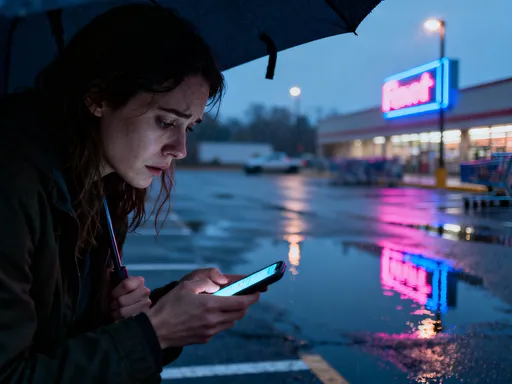
The worst part wasn’t the inefficiency—it was the guilt. I missed my nephew’s first soccer game because I thought it was next weekend. I forgot to call my mom on her birthday—she never complained, but I saw the disappointment in her eyes when I finally video-called her two days later. We were connected, technically, but emotionally? We were drifting. I had all these tools, but none of them helped me feel close. If anything, they made me feel more isolated, like I was shouting into a digital void.
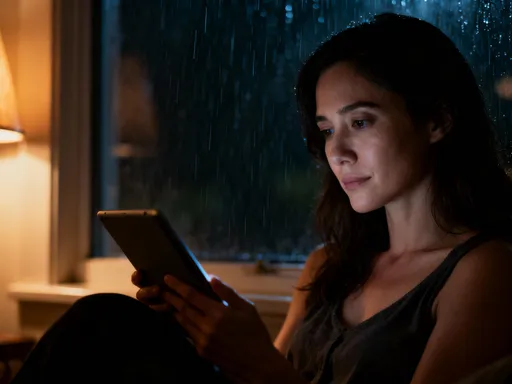
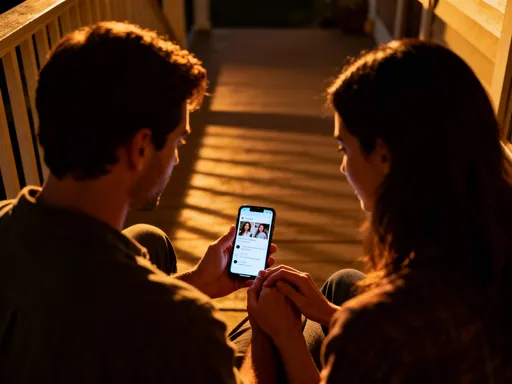
I didn’t realize how much mental energy I was spending just keeping track of people. It wasn’t just time—it was focus, peace, presence. I was always half-listening, half-answering, always preparing for the next interruption. And then, one evening, my sister called. She said, "I’m turning 40 next week, and I’d love to see your face when you say happy birthday." We tried to set up a call, but our time zones didn’t match, and we were using different apps. We kept rescheduling. And then—nothing. No call. No celebration. Just silence. That was my breaking point. I didn’t want to miss another moment like that. I needed a better way.
The First Try: Skepticism Meets a Simple Fix
I’ll admit it—I wasn’t excited about video calls. They sounded awkward. Forced. Like one more screen to stare at. I pictured frozen faces, echoey audio, and that weird angle where you look up someone’s nose. I’d seen enough of those on work calls to know how tiring they could be. So when a friend sent me a link saying, "Click here, we’re all waiting," I almost didn’t open it. But I did. And what happened surprised me.
I clicked. The screen lit up. There was my cousin, waving from her kitchen. My niece giggled in the background. My sister blew a kiss. No downloads. No sign-in. No fuss. Just… us. We weren’t perfect—we were messy, slightly out of frame, my hair was a disaster—but we were together. And for the first time in months, I *saw* them. Not a text bubble. Not a static photo. I saw my sister’s smile, the way her eyes crinkled when she laughed. I heard the warmth in her voice, not just the words. And suddenly, the distance didn’t feel so wide.
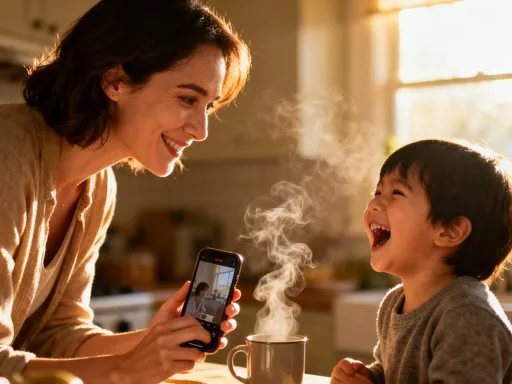
That call lasted 12 minutes. But it changed everything. I realized I wasn’t against video calls—I was against bad ones. The ones that felt like work. But this? This felt human. It wasn’t about the tech. It was about connection. So I decided to try it for the small things first. I scheduled a weekly Sunday call with my mom. Just 15 minutes. "No agenda," I said. "Just us." And it worked. We talked about her garden, my kids, the weather. Nothing groundbreaking. But I saw her face light up when I told her my daughter got an A. I noticed how tired she looked and asked if she was sleeping. That never would’ve come up in a text.
At work, I suggested short video huddles instead of long email threads. My team was skeptical too. But after one meeting where we solved in ten minutes what would’ve taken three back-and-forths, they were sold. No more "per my last email" nonsense. We could see each other’s reactions, adjust our tone, clarify on the spot. It wasn’t magic. It was just… easier. And that’s when I started to wonder: what if this wasn’t just a tool, but a new way of living?
Rebuilding Routines: How One App Reshaped My Schedule
Once I got past the awkwardness, something interesting happened—my day started to feel lighter. I wasn’t juggling five different ways to communicate anymore. I picked one reliable video platform and used it for almost everything: family, work, even catching up with old friends. And just like that, the chaos began to settle.
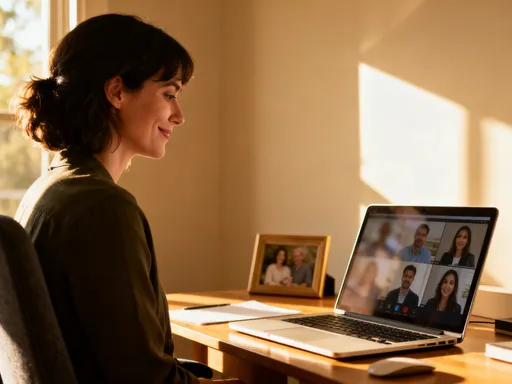
Mornings used to be a blur of checking messages, responding to urgent emails, and trying to guess who needed what. Now, I start with a 10-minute video check-in with my team. We’re not in a boardroom. We’re in our kitchens, our home offices, sometimes with a kid in the background. But we’re present. We share what we’re working on, flag any blockers, and set intentions for the day. It takes less time than three email exchanges, and we actually understand each other. I don’t have to read between the lines. I can see when someone’s overwhelmed. I can say, "You okay?" and mean it.
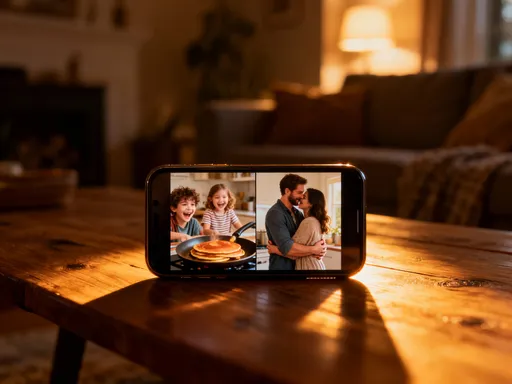
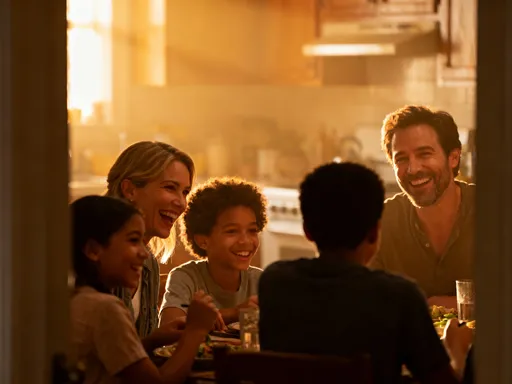
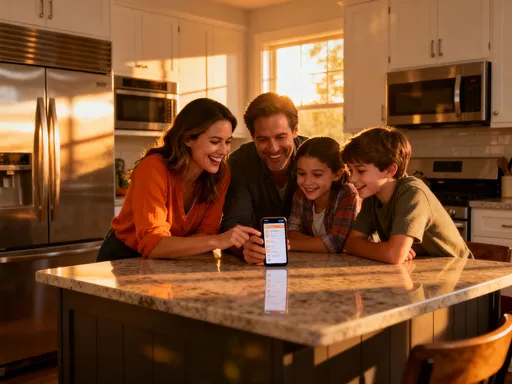
Evenings changed too. Sunday nights used to be a patchwork of texts: "Did you pay the bill?" "What’s for dinner?" "Don’t forget the school form." Now, we have a family call. Everyone joins—kids, partner, even my in-laws when they’re visiting. We go over the week, plan the next one, celebrate little wins. My son told us he learned to tie his shoes. My daughter shared her art project. These moments used to get lost in the noise. Now, they’re front and center.
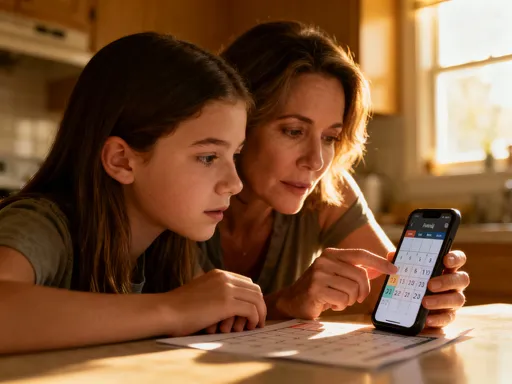
The biggest surprise? I started scheduling less. Because video made time feel more intentional, I didn’t need to overbook to feel productive. I stopped saying "Let’s touch base" and meant it. A single call often replaced days of messaging. And because I could see people’s faces, misunderstandings dropped. No more arguing over a misread text. No more "I didn’t mean it that way." Facial expressions, tone, body language—these aren’t small things. They’re everything. My calendar got simpler, but my connections got deeper. And for the first time in years, I felt in control of my time.
Family, Closer: When Distance Stopped Mattering
My niece took her first steps on a video call. I was on the other side of the country, sipping tea, when my sister suddenly yelled, "Wait—look!" I watched, breathless, as she wobbled, arms out, and then—step. Then another. I screamed. My husband ran in. We all cried. It wasn’t a highlight reel. The lighting was bad. The audio cut out. But it was real. And I was there.
That moment taught me something: presence isn’t about proximity. It’s about participation. Video didn’t bring us closer physically—but emotionally? It closed the gap. My dad, who lives three hours away, started giving me garden tours. He’d walk through his backyard, panning the phone like a nature doc. "Look at this tomato," he’d say, holding it up like a prize. "Bet you can’t grow one this big." I’d laugh and promise to try. These weren’t grand events. But they were ours.
My kids’ grandparents read bedtime stories over video. At first, I worried it wouldn’t feel the same. But then I saw my son snuggle into the couch, eyes wide, as Grandma turned the pages of *The Very Hungry Caterpillar*. He didn’t care that she wasn’t in the room. He cared that she was there with him. And when she blew a kiss at the end, he blew one back. Those moments aren’t just sweet—they’re sustaining. They keep love alive across miles.
We’ve celebrated birthdays, anniversaries, even small victories like a good report card—all through the screen. And yes, sometimes the call drops. Sometimes the kids run out of frame. But we keep showing up. Because what matters isn’t the quality of the stream—it’s the continuity of connection. We’re part of each other’s daily rhythm again. We see the little things: a new haircut, a tired face, a proud smile. And that changes everything. Distance hasn’t disappeared. But it doesn’t define us anymore.
Work, Without the Weight: Clarity Replaced Chaos
Remote work sounded ideal—until I lived it. I thought I’d gain time by skipping the commute. Instead, I lost it to endless messaging threads. A simple question would spark five replies, two follow-up emails, and a Slack notification that read, "Can we clarify?" I spent more time managing communication than doing the work itself.
Then we switched to regular video check-ins. Not long ones—just 15 minutes, three times a week. No slides. No pressure. Just us, talking. And the change was immediate. Decisions happened faster. Misunderstandings faded. When someone said "That won’t work," I could see they were stressed, not dismissive. I could respond with empathy, not defensiveness. We started saying things like "How are you *really*?" and actually waiting for the answer.
One day, a teammate shared that she was struggling at home. She wouldn’t have said it in a group chat. But on camera, her voice cracked, and we noticed. We adjusted deadlines. We offered help. That conversation didn’t solve her problems, but it reminded her she wasn’t alone. That’s the power of video—it doesn’t just transmit information. It builds trust.
For me, the biggest win was focus. I stopped re-reading messages, wondering if I offended someone. I stopped drafting careful responses to avoid misinterpretation. On video, tone is clear. Intent is visible. I could say what I meant, hear what was meant, and move on. That saved hours every week. And with that time, I didn’t just work more—I worked better. My energy wasn’t drained by digital friction. I had more to give—at work, at home, to myself. Burnout didn’t vanish, but it softened. Because I wasn’t carrying the weight of constant miscommunication anymore.
Personal Growth: How Being Seen Helped Me Show Up
The first time I saw myself on a video call, I froze. Not because I looked bad—though, let’s be honest, my morning hair was a crime—but because I realized: *I’m being seen*. Not just heard. Not just read. Seen. And that changed how I showed up.
At first, I’d hide behind filters or turn off my camera during long meetings. But over time, I started dressing with intention, even if I was at home. I sat up straighter. I spoke more clearly. I listened more closely. It wasn’t about looking perfect. It was about respect—for others, and for myself. When I turned on my camera, I was saying, "I’m here. I care." And that mindset spilled into the rest of my life.
I became more mindful of my energy. If I looked tired, I asked why. If I sounded short, I checked in with myself. Video didn’t lie. It reflected back not just my face, but my state of mind. And that accountability helped me grow. I started setting boundaries. I learned to say no. I took breaks without guilt. Because being present didn’t mean being available 24/7. It meant showing up with intention.
I also noticed how my environment affected others. A cluttered background made me feel scattered. A quiet, warm space helped me feel calm. So I made small changes: a better light, a plant, a tidy corner. These weren’t for the camera. They were for me. But they improved every call. And slowly, I realized: video wasn’t just connecting me to others. It was helping me reconnect with myself. I wasn’t just managing communication. I was becoming more aware, more grounded, more *me*.
A Simpler Life, One Call at a Time: What Truly Changed
The biggest shift wasn’t in my calendar. It wasn’t even in my routine. It was in my mind. I stopped chasing constant availability and started valuing meaningful connection. I used to think being busy meant being productive. Now I know that true productivity includes peace, presence, and people.
Video chat didn’t add more to my day. It replaced the clutter with clarity. It turned fragmented moments into real conversations. It gave me back time—not just minutes, but mental space. I stopped dreading communication and started looking forward to it. Because now, it feels like connection, not chore.
And yes, the tech helped. But it was never about the app, the camera, or the internet speed. It was about the choice to be present. To see and be seen. To listen and be heard. To say, "I’m here," and mean it. That’s what changed everything.
Today, I don’t measure a good day by how much I did. I measure it by how connected I felt. My daughter still shows me her drawings on camera. My mom still tells me about her flowers. My team still starts the week with a quick "How are we really doing?" And I’m still learning—how to pause, how to listen, how to show up.
This journey didn’t make me perfect. But it made me present. And that’s enough. If you’re feeling overwhelmed by the noise, I’ll say what my friend said to me: "Just click." You don’t need a perfect setup. You don’t need to be ready. You just need to show up. Because sometimes, the simplest tools lead to the deepest changes. And for me, it all started with one small click—and the courage to be seen.