It's not just about traffic: How real-time updates made my commutes actually work
You know that anxious feeling when you’re stuck in traffic, late for school pickup, or rushing to a family dinner? I lived through it—every season bringing new chaos. But everything changed when I truly learned to use real-time traffic information. It didn’t just show me delays—it reshaped how I plan, breathe, and move through my days. This isn’t about apps or data; it’s about peace of mind, time with loved ones, and taking back control—one smart route at a time.
The Seasonal Struggle: When Life Feels Like a Traffic Jam
Let’s be honest—some days, it feels like life itself is stuck in gridlock. I remember one winter morning, snow falling softly but steadily, and me standing at the kitchen window, coffee in hand, watching the street turn white. I had to get the kids to school, myself to a doctor’s appointment, and still make it to the grocery store before it closed. Back then, I’d leave “early”—like 30 minutes before I needed to—just in case. But that often meant sitting in the school parking lot for 20 minutes, freezing in the car, waiting for the doors to open. Or worse, I’d still be late because I didn’t know about an accident three blocks ahead.
And it wasn’t just winter. Summer brought its own surprises—construction zones popping up like mushrooms after rain, highways closed with no warning, and rest stops mysteriously full. Fall? That’s when the school traffic kicks in. Suddenly, every parent in town is trying to drop off their kids between 7:45 and 8:15, and the usual 10-minute drive turns into a 30-minute maze of stop signs and honking. I used to dread it. My shoulders would tense the night before. I’d lie in bed thinking, “Should I leave earlier? What if the roads are icy? What if someone’s sick and we’re already behind?”
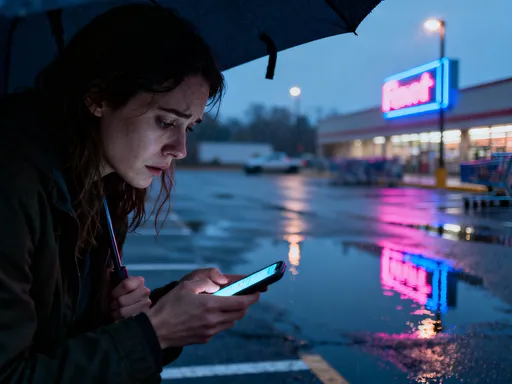
It wasn’t just the time loss. It was the emotional toll. I was more short-tempered in the car. I’d snap at the kids for unbuckling too slowly or for asking the same question five times. And when I finally got home, I didn’t have the energy to really connect. I was drained. I realized I wasn’t just dealing with traffic—I was losing control of my day, my mood, and even my sense of calm. The road wasn’t just a path from point A to B; it had become a source of daily stress, something I couldn’t predict or manage.
That’s when I started wondering: what if there was a better way? Not a magic fix, but something simple—something that could help me feel more in charge, even when the weather was wild or the roads were packed? That’s when I began to truly pay attention to real-time traffic updates. And honestly, it changed everything.
Discovering Real-Time Traffic Info—Not Just Another App
I’ll admit it—I had a navigation app on my phone for years before I actually used it the right way. I treated it like a fancy GPS: type in the address, follow the voice, done. But one day, my friend Lisa called me while I was driving. “Did you see the alert?” she asked. I had no idea what she meant. She explained that her app had just warned her about a major backup on the highway—something about a truck spill—and she’d rerouted before even getting in the car. “I saved 20 minutes,” she said, sounding almost proud.
I hung up and pulled over at the next parking lot. I opened my app and really looked. There it was—color-coded roads, red for heavy traffic, yellow for slowdowns, green for clear. And a little message: “Accident ahead—45-minute delay.” I’d driven right into it, clueless. That moment hit me like a wake-up call. This wasn’t just a map. It was a live conversation with the road.
So I started using it differently. Instead of turning it on when I was already in the car, I began checking it before I even left the house. While brushing my teeth, I’d glance at my phone. While packing lunches, I’d ask my smart speaker for the traffic update. That small shift—from reactive to proactive—made all the difference. I wasn’t just following directions anymore. I was making informed choices. Should I leave now? Should I take the back roads? Is it better to wait 10 minutes and avoid the worst of it?
What surprised me most was how much calmer I felt. Even if the traffic was bad, I wasn’t caught off guard. I knew what to expect. And that knowledge gave me power. I could adjust my plans, breathe deeper, and start my drive with a sense of control instead of panic. It wasn’t about avoiding every delay—it was about being prepared. And that made all the difference in my mood, my time, and my ability to show up fully for my family.
Winter Wins: Snow, School Runs, and Staying Calm
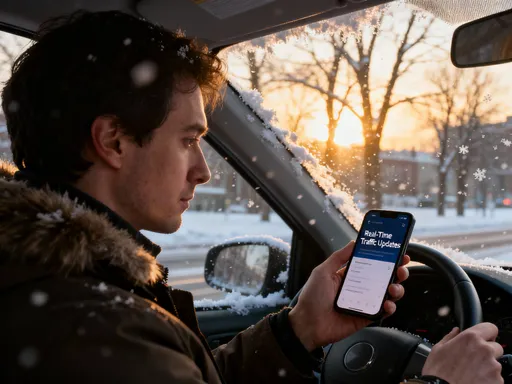
Winter used to be my least favorite season for driving. Ice on the roads, snowplows moving slowly, kids bundled up and grumpy in the backseat—it was a recipe for stress. But one morning, everything changed. It was early February, and a storm had rolled in overnight. I checked my traffic app while making oatmeal and saw a warning: “40-minute delay on Route 12 due to snow removal operations.” My usual route. The one I’d taken for years without thinking.
Instead of ignoring it or hoping it would clear up, I tapped the screen and let the app suggest an alternate path. It added five minutes to the distance, but cut the time in half. I told the kids, “We’re taking the scenic route today,” and they didn’t even complain. I grabbed an extra coffee, turned on a podcast we all liked, and we had one of the most peaceful school drop-offs I could remember.
That small win taught me something important: real-time traffic updates aren’t just about speed—they’re about peace. They give you the chance to respond, not react. Instead of white-knuckling the wheel, cursing under my breath, I could make a calm decision. And that calm didn’t just stay in the car. It followed me into the school, into my meeting, into my afternoon.
I started using the app more intentionally during winter. I’d check it the night before, especially if snow was forecast. I’d plan my morning around the clearest routes, not just the shortest ones. And when the kids had early dismissals or snow days, I could adjust instantly. No more guessing if the roads were safe. The app showed me where plows had been, where salt trucks were active, where traffic was moving smoothly. It wasn’t perfect—some days were still tough—but I wasn’t flying blind anymore.
And honestly, the kids noticed. “Mom, you’re not yelling in the car anymore,” my daughter said one day. I laughed, but it was true. I wasn’t tense. I wasn’t rushing. I had a plan, and the tools to stick to it. That winter, I didn’t just survive the season—I navigated it with more confidence than ever before.
Summer Adventures: Road Trips That Actually Go Smoothly
Summer is supposed to be fun. But family road trips? They used to be a source of anxiety for me. I’d pack the car the night before, double-check the snacks, charge the tablets—and still, something would go wrong. A highway closure. A detour that took us through three small towns with no gas stations. A rest stop that was closed for renovations. I remember one trip to the lake where we spent an hour circling a town, looking for a place to eat, while the kids argued in the backseat.
Now, our summer trips feel different. Before we even leave the driveway, I check the traffic for the whole route. Not just the start, but the middle and the end. I look for construction zones, accident reports, and even rest stop availability. Some apps show real-time info about gas stations and restaurants along the way—whether they’re open, how busy they are, even if they have parking.
On our last trip, the app alerted us to a major backup near a national park entrance. Instead of driving into it, we decided to stop early for lunch at a small town café we’d never heard of. It turned out to be one of the best meals of the trip—homemade pie, friendly owners, a cute playground for the kids. We got back on the road after the worst of the traffic had passed, and arrived relaxed and happy.
Real-time updates didn’t just save us time—they improved our experience. We started seeing detours not as setbacks, but as opportunities. One afternoon, the app suggested a longer route with less traffic. It took us through a scenic valley with wildflowers and mountain views. We pulled over, took photos, and had a picnic. It wasn’t in the original plan, but it became a favorite memory.
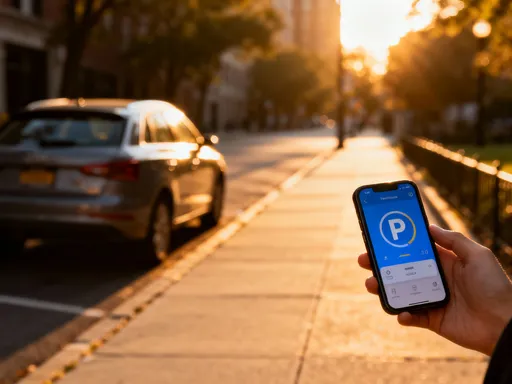
And when the kids needed a break? I could find the nearest open rest stop or park in seconds. No more guessing, no more frustration. I could say, “There’s a playground two miles ahead,” and suddenly, the backseat was quiet. That’s the real magic—not just avoiding delays, but creating space for joy, connection, and spontaneity. Summer travel used to drain me. Now, it fills me up.
Fall and Spring: The Hidden Traffic Shifts No One Talks About
We talk about winter snow and summer travel, but fall and spring bring their own quiet challenges. When school starts in September, the rhythm of the town changes. Suddenly, there are buses everywhere, crossing guards at every corner, and parents double-parking to drop off kids. The same thing happens in reverse in June. But maps don’t always reflect these shifts. The route that was clear in July might be a nightmare in October.
Real-time traffic data helped me see these hidden patterns. I started noticing that certain streets got jammed between 8:00 and 8:20 every weekday morning. Others were fine until 3:15, when the elementary school let out. I began timing my errands around these rhythms. Instead of going to the post office at 8:10, I’d go at 8:30. Instead of grocery shopping at 3:00, I’d wait until 4:00. Small changes, but they added up.
I also discovered quieter times. Early mornings on school days, right after drop-off, the roads were almost empty. I started scheduling walks or coffee with friends during that window. It became my “me time”—a peaceful break before the rest of the day kicked in. And because I could see traffic trends over time, I knew when it was safe to take a longer route just to enjoy the fall colors or spring blossoms.
Spring brought similar shifts. Roadwork season. Outdoor event traffic. Even changes in daylight affecting visibility and driver behavior. But instead of being caught off guard, I could plan ahead. I’d check the app the night before and adjust my morning. I felt like I was finally in sync with the flow of life, not fighting against it.
What I love most is how this awareness helped me protect my family’s routine. The kids didn’t have to rush. I didn’t have to apologize for being late. We moved through the seasons with more grace, more predictability, and less stress. It wasn’t about perfection—it was about being prepared, present, and in control.
Beyond Driving: How This Changed My Whole Day
The biggest surprise? Real-time traffic awareness didn’t just change my driving—it changed my whole day. I started applying the same mindset to everything. If I was planning a grocery run, I’d check traffic to pick the best time. Doctor’s appointments? I’d leave when the route was clearest, not just when I thought I should. Even walking the dog—I’d choose quieter streets based on traffic flow.
But it went deeper than logistics. I became more punctual, yes, but I also became more patient. Because I wasn’t rushing, I wasn’t tense. Because I wasn’t stressed about being late, I could actually listen when my daughter told me about her day. I could hug my partner without being distracted by mental to-do lists. I was more present.
I also started planning with more confidence. When friends invited us to dinner, I could say, “Let’s go at 6:30—traffic should be lighter then,” instead of just hoping for the best. I felt like I had more time, even though the clock was the same. It was the quality of time that changed. I wasn’t wasting minutes in traffic, stressed and disconnected. I was using my time with intention.
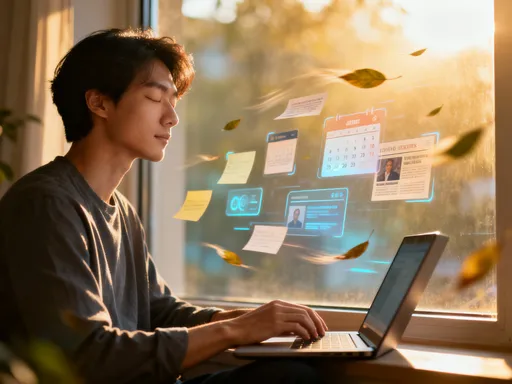
And that intention spilled over into other areas. I became better at managing my calendar, more aware of how long things actually take, more realistic in my planning. I stopped over-scheduling because I finally understood the true cost of time. Real-time traffic info didn’t just give me better routes—it gave me better rhythm.
Sharing the Calm: Teaching My Family to Travel Smarter
One day, my teenage son asked, “How do you always know which way to go?” I showed him the app, walked him through how to check traffic, how to read the colors, how to let the app suggest alternatives. He rolled his eyes at first—“Mom, it’s just a map”—but a week later, he texted me: “Thanks for showing me that. I avoided a 30-minute backup on my way to soccer.”
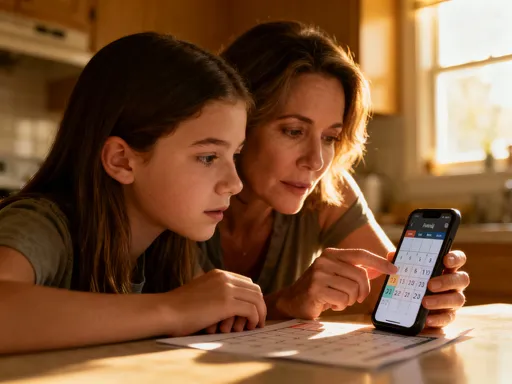
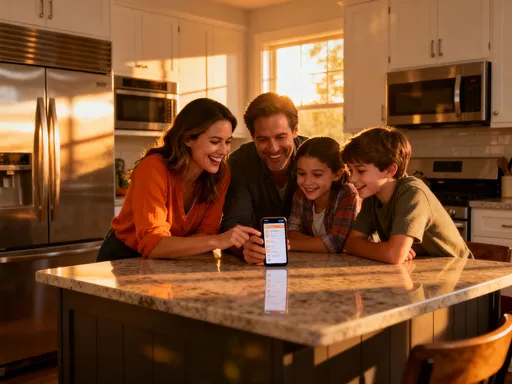
That moment meant more than I expected. I realized I wasn’t just using a tool—I was teaching a life skill. So I started sharing it with the whole family. We made it part of our routine. Before weekend trips, we’d all gather in the kitchen, check the traffic together, and decide on the best route. It became a kind of family teamwork. No more last-minute arguments about which way to go. No more “I told you so” when we got stuck.
I showed my partner how to set up alerts for his commute. Now he gets a notification if there’s a delay, and he can warn me if he’ll be late. It reduced so much unnecessary worry. And when the kids started driving, I made understanding traffic tools part of their “real world” education. Not just how to parallel park, but how to plan a trip, how to adapt when things change, how to stay calm under pressure.
It’s funny—what started as a way to save time turned into a way to connect. We talk more in the car now. We laugh more. We’re less stressed, more in sync. Technology didn’t replace our conversations—it made space for them.
More Than Routes—It’s About Getting Your Life Back
Looking back, I realize real-time traffic information didn’t just change how I drive. It changed how I live. It gave me back time I didn’t know I’d lost. It gave me calm in moments that used to be chaotic. It helped me show up for my family not just physically, but emotionally—present, patient, and peaceful.
This isn’t about being perfect. There are still days when traffic wins. When the app doesn’t catch a sudden closure. When the kids are loud and I’m tired. But now, I have tools. I have awareness. I have choices. And that makes all the difference.
If you’ve ever felt like your day is ruled by the road, I want you to know—there’s another way. It starts with a simple shift: checking before you go. Listening to what the road is telling you. Making small, smart choices that add up to a calmer, more confident life.
You’re not just moving from place to place. You’re reclaiming your time, your energy, your peace. And that? That’s not just smarter travel. That’s better living.